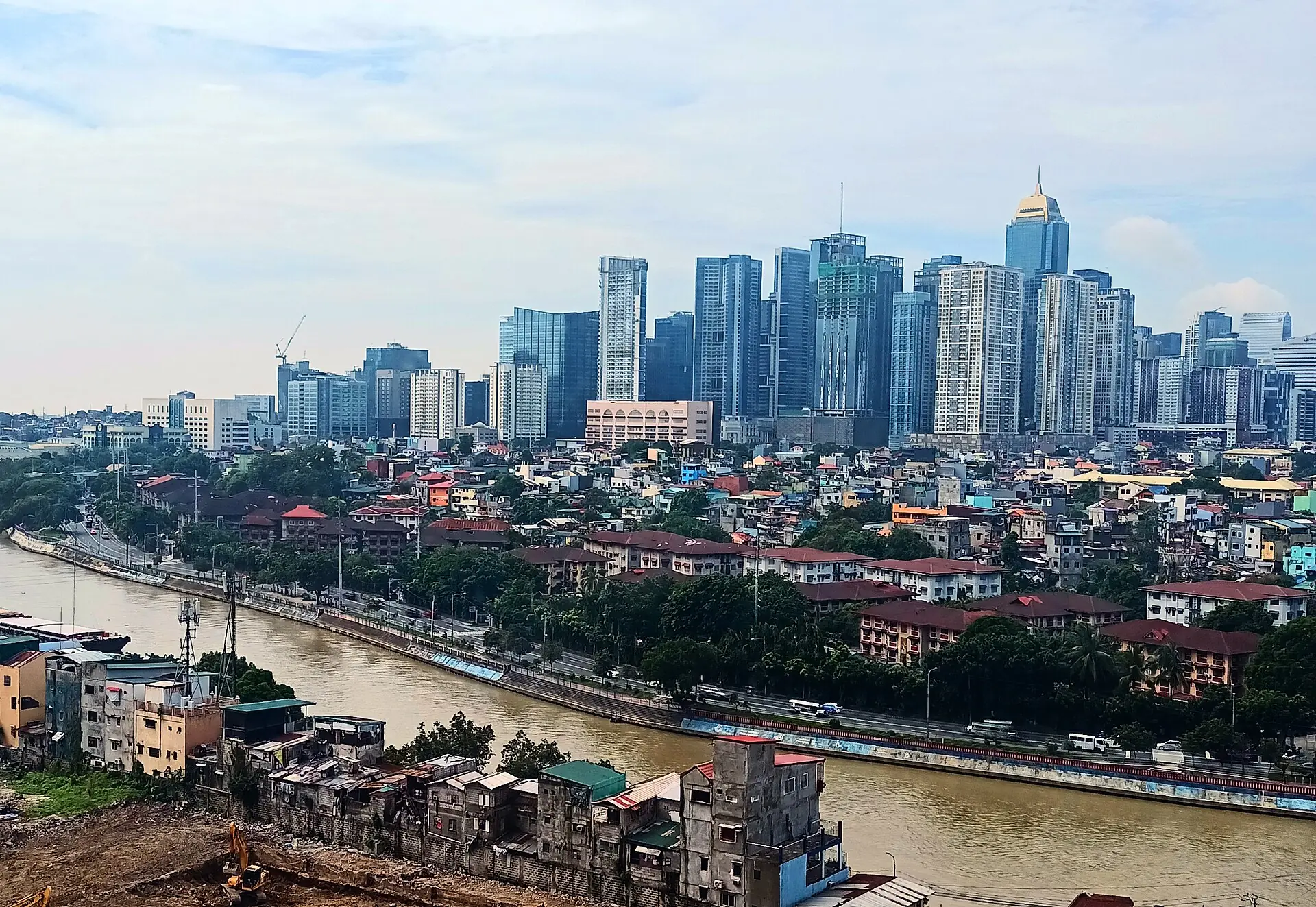
How to find a condo worth buying in Manila: BGC, Makati and the 40% cap
// Short answer
In Manila a foreigner can own a condo unit outright and forever, on a Condominium Certificate of Title, but never the land, and only while the whole project is at or under 40% foreign-owned. BGC is the newer planned district where that cap bites hardest; Makati is the older business district where the building's reserve fund matters most. Brinkman Data is an independent property research service: it analyses every listing for sale in your city and budget and sends you the five worth buying, with a spreadsheet of every listing. Not an agent, no commission, paid only by the buyer. $499, delivered in 5 days.
Updated 19 October 2026. Rules, fees and prices as published on the linked stanbrinkman.com research pages; each figure carries its own data date.
On this page
- What can a foreigner own in Manila?
- BGC or Makati: how do the two districts differ?
- How do you check the cap and the title before paying?
- What does it cost to buy a condo in Manila?
- How are real estate brokers paid in the Philippines?
- What are the steps from reservation to title?
- Broker, listing sites or independent research in Manila?
What can a foreigner own in Manila?
A condominium unit, in your own name, with no time limit. Land is reserved for Filipino citizens and corporations at least 60% Filipino-owned under the 1987 Constitution. Under the Condominium Act, foreigners can own units while foreign ownership across the project stays at or below 40% of total floor area. The land stays with the condominium corporation.
The certificate carries no term: no 50-year clock as in Vietnam, no lease as in Bali. Arrangements that put a Filipino's name on land for a foreigner are prohibited under the Anti-Dummy Law, Commonwealth Act 108. The full picture: buying a condo in the Philippines as a foreigner.
Sources
BGC or Makati: how do the two districts differ?
BGC is the planned district built from the 2000s, with the deepest corporate and diplomatic long-let pool in the country; the live check there is room under the 40% cap. Makati is the established business district with stock up to twenty or thirty years old; the live check there is the building's reserve fund. Brinkman Data's region-scout matrix rates resale liquidity Strong in both.
| BGC | Makati | |
|---|---|---|
| Character | Planned grid, newer towers | Original business district, older and newer stock |
| Long-let occupancy, well-run units | High eighties to low nineties | Mid eighties to low nineties |
| Resale liquidity | Strong | Strong |
| The check that decides it | Project's foreign share against the 40% cap | Reserve fund and special-assessment history |
| Worked-example two-bedroom | Around USD 350,000 | Around USD 300,000 |
The district reads in full: BGC, Makati, and the lower-entry alternatives in Ortigas and the Bay.
How do you check the cap and the title before paying?
Three documents. A dated letter from the developer or condominium corporation giving the project's current foreign-ownership percentage. A certified true copy of the title from the Registry of Deeds that holds the original, read front and back for mortgages and claims. And on a pre-selling unit, the developer's DHSUD License to Sell. Get all three before any reservation fee.
A certified true copy costs PHP 196.97 for the first two pages at the local Registry of Deeds. Registration is what makes ownership count against third parties (Section 51 of the Property Registration Decree). How each check works: the Registry of Deeds, the License to Sell and the condominium title.
Sources
What does it cost to buy a condo in Manila?
It depends on who sells. A developer's sale of a new unit above the VAT threshold carries 12% VAT; a resale by a private owner generally does not. A resale carries 6% capital gains tax, the seller's by law but often negotiated. Then 1.5% documentary stamp tax, a local transfer tax of up to 0.75% in Metro Manila, about 0.25% registration and a notarial fee.
Worked on an 8 million peso unit:
- Resale, CGT left with the seller: about 235,400 pesos, roughly 2.9%.
- Resale, CGT moved to the buyer: about 715,400 pesos, roughly 8.9%.
- New from a developer, with VAT: about 1,195,400 pesos, roughly 14.9%.
Ask in writing whether the price includes VAT and who pays each tax. Every line: the Philippine condo fee stack.
Sources
How are real estate brokers paid in the Philippines?
No law sets the commission; it is whatever the written agreement says. What the law fixes is who may collect it: only a broker licensed by the Professional Regulation Commission, with a salesperson paid only through their supervising broker. Brokers above the VAT threshold charge 12% VAT. On a pre-selling condo the developer usually deals with the agent.
Check the broker's licence on the PRC's online verification, by name or licence number, before you pay any reservation fee through them. Ask which projects still have foreign headroom, then confirm it in writing with the developer. Details: Philippine real estate agent fees.
Sources
What are the steps from reservation to title?
Check the cap, the title and the License to Sell. Pay the reservation. Sign the deed of absolute sale before a notary. Pay the transfer taxes and obtain the eCAR, the BIR's clearance without which the Registry will not transfer the title; the BIR's own published standard for an eCAR is 7 days. Then the Registry of Deeds issues a new title in your name.
- Checks: cap letter, certified true copy, License to Sell.
- Reservation and the contract terms: who pays which tax, VAT in or out.
- Deed of absolute sale, notarised.
- Taxes and the eCAR from the BIR. See the eCAR explained.
- Registration at the Registry of Deeds and the new certificate of title.
Money in: transferring money to the Philippines for a property.
Broker, listing sites or independent research in Manila?
Each has a job. The listing sites show what is for sale. A licensed broker shows you units and runs the sale. A Philippine lawyer checks the title, the cap and the deed. Brinkman Data decides which condo is worth buying: every listing in your districts and budget analysed, the five worth buying, and a spreadsheet of every listing, for $499, paid only by the buyer.
Brinkman Data is not an agent and takes no commission. Every report is built fresh on the condos for sale that week. Read a real report, page by page, the comparison on how to find a property to buy abroad, and what an independent property analyst does.
// Buying a condo in Manila?
I analyse every condo for sale in your districts and budget, work out the full closing and holding costs and the realistic rent on each, and send you the five worth buying, with the full spreadsheet. Delivered in 5 days.
See a real report — $499Frequently Asked Questions
Can a foreigner buy a condo in BGC or Makati?
Who pays the 6% capital gains tax on a Manila condo?
Is there VAT on a condo in Manila?
How do I check a Philippine broker is licensed?
Is Brinkman Data a broker in the Philippines?
Header photo: Hariboneagle927, CC0, via Wikimedia Commons. All credits: image credits.