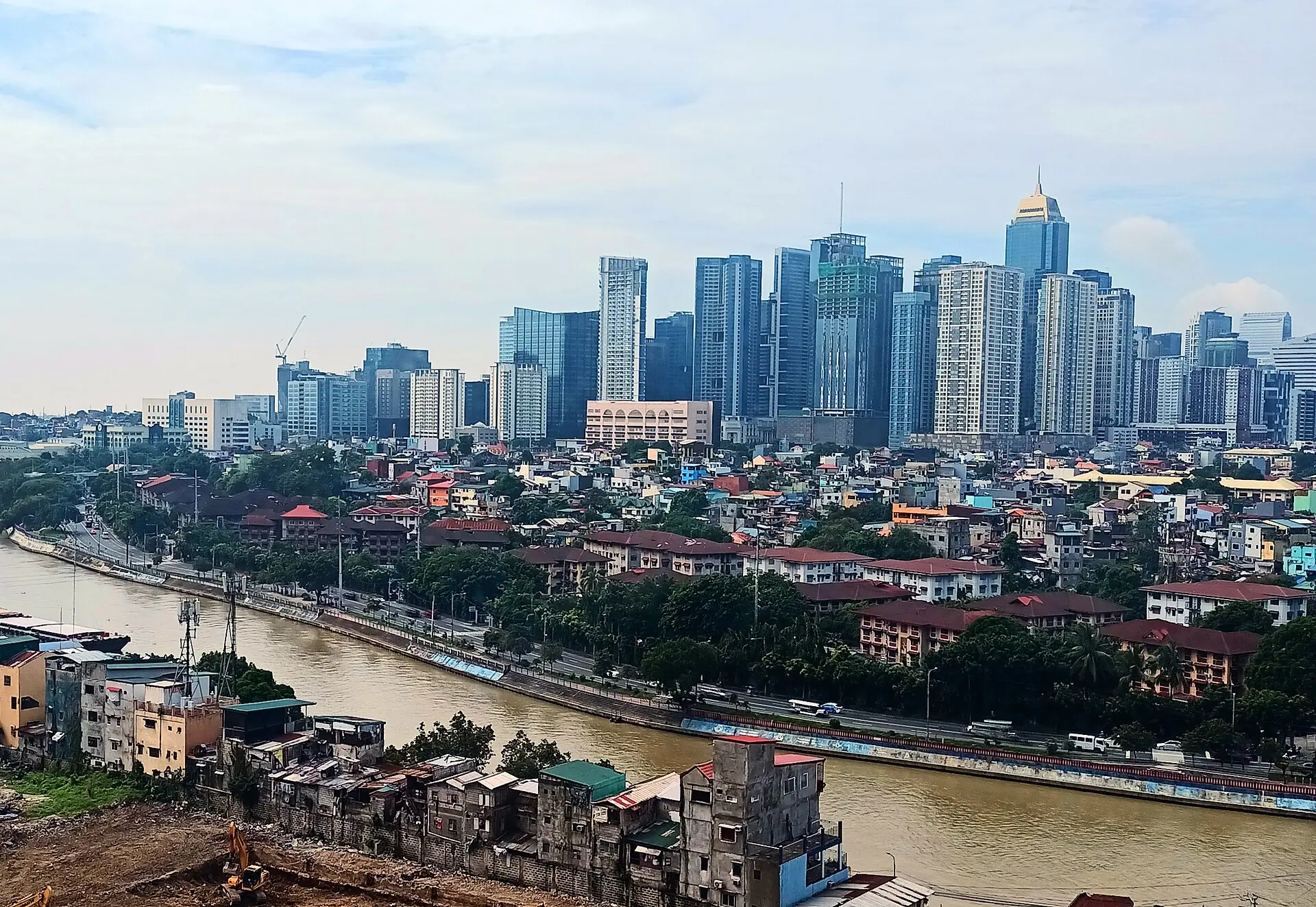
Bonifacio Global City — the condo investment case for Manila's planned district
Philippines Geography · BGC / The Fort

BGC condo investment: the corporate long-let core.
BGC Condo Investment — The Corporate Long-Let Core. Brinkman Data SEO brand card.

Bonifacio Global City is the prime master-planned business district — the deepest multinational and diplomatic long-let pool in the country, the highest per-square-metre pricing in Metro Manila, and the strongest resale liquidity anywhere in the Philippines. The trade is slow appreciation, because most of the growth is already priced in, and a 40% foreign cap that bites hardest in exactly the towers you want most. The unit is yours perpetually on a CCT — if the building has headroom. The structural frame sits at the Philippines foreign-buyer reality check.

3–6%
appreciation projection band
Strong
resale liquidity rating
40%
cap pressure in prime towers

The Covenant Core

You buy covenant quality, not a headline curve.

BGC is the prime master-planned core — built from the 2000s onward on a planned grid, anchored by the deepest expatriate and multinational-corporate long-let pool in the country. The region-scout matrix places realised long-let occupancy in the high eighties to low nineties for well-positioned, professionally managed units, driven by sticky corporate and diplomatic tenants, with the strongest resale liquidity rating in this section.

The appreciation projection sits in the Low-med band, roughly 3–6% annualised over a five-year forward horizon, because most of the growth is already in the past and entry pricing is stretched against achievable rent. This is the address-tax market. The buyer who needs a steep appreciation curve is in the wrong submarket; the buyer who wants covenant quality and the deepest exit pool in the country, and who accepts prime entry pricing going in, is the right buyer for BGC.

The projection band is an independent-research estimate, not a forecast and not a promise — independent sources project both higher and lower. Run the net-yield math on a stabilised corporate lease before you compare it to a coastal nightly figure.

The Exit Pool

The strongest resale liquidity in the country.

The matrix rates BGC resale liquidity Strong — the deepest pool of next buyers in the Philippines. That matters more than most foreign buyers price in. A perpetual CCT is only as useful as your ability to sell it onward, and BGC gives you a continuous, well-understood buyer base of corporations, returning expatriates, and local high-net-worth purchasers. The exit is decided at entry, and BGC is the submarket where the exit is least likely to test you.

That depth is the structural counterweight to the thin appreciation. You accept the slow curve in exchange for the cleanest sell-on path in the country. The brochure leads with the skyline; the Operator leads with the question of who buys this unit in year ten, and BGC has the best answer of any submarket in this section.

Where BGC’s liquidity is Strong, the Makati comparison shows the other Strong-liquidity prime district — mature, transparent, with older stock that needs a different diligence pass.

The Cap Gate

The 40% cap bites hardest in the best towers.

The matrix rates BGC’s operational and legal complexity Med, and the reason is the cap. In prime BGC projects, foreign demand frequently pushes a building toward its 40% ceiling — meaning the unit you want may legally not be registrable to you even though the developer is happy to take your reservation. The cap is enforced at registration against the whole project, not at deposit and not at your individual unit.

This is not a comment on any developer or agent. It is the structure, and it concentrates in exactly the towers foreigners want most. Get the answer in writing, dated, from the developer or the condominium corporation: what is this project’s current foreign-ownership percentage, and how much room remains under the 40% cap? A project at 37% has room for a handful of buyers and you may be racing other foreigners for the last slots. A project at 40% has room for zero, and any reservation is buying a refund process, not a unit.

A unit you can pay for but never register a CCT against is not an asset. The mechanics of the cap and the certificate sequence are walked in full at the 40% cap. Confirm headroom first; everything else is downstream of it.

92-page PDF · Instant download

Every number on this page, worked end-to-end.

The Philippines Property Buyer’s Playbook walks the 40% cap, the CCT title, VAT vs resale math, the fee stack, and the exit reality — the full framework this research page is built on.

Get The Philippines Playbook — $39

The Underwriting Filter

Three BGC checks the brochure won’t prompt.

  1. Foreign-cap headroom, in writing, for the project. Dated, from the developer or condominium corporation, before any reservation fee moves. In prime BGC towers the cap is frequently close to full — confirm there is room for your CCT to register, not just that the developer will take your money.
  2. Clean CCT and a clean inbound path. Verify the title at the Registry of Deeds and confirm the developer’s DHSUD License to Sell on any pre-selling unit. Document your purchase funds entering through a properly recorded channel, because that documentation is what lets you move sale proceeds out later.
  3. Rent-to-price reality against the band. Prime BGC entry pricing is stretched against achievable rent, and the appreciation projection is Low-med by design. Underwrite to the lower end of each band and treat the higher figure as upside, never as the plan.

A hypothetical worked example: a BGC two-bedroom in the region-scout indicative band sits around USD 350,000 — a figure you must recompute against live listings and the live USD/PHP rate, and against the documentation you will need to repatriate proceeds later.

// FAQ

Is BGC a good place for a foreigner to buy a condo?
BGC suits a specific buyer: one who wants covenant quality and exit depth over a steep appreciation curve. It carries the deepest corporate and diplomatic long-let pool and the strongest resale liquidity in the country, with realised occupancy in the high eighties to low nineties for well-positioned, professionally managed units. The trade is Low-med appreciation projections, roughly 3 to 6 percent annualised, and prime entry pricing — confirm the project's foreign-cap headroom before you commit.
Can a foreigner own a BGC condo outright?
Yes, perpetually, if the project has headroom under the 40% foreign cap. A foreigner owns the condominium unit on a Condominium Certificate of Title in their own name, with no term and no clock. The land beneath belongs to a condominium corporation that must stay at least 60% Filipino. Confirm the project's current foreign-ownership percentage in writing before any reservation — prime BGC towers frequently sit close to the cap.
What is the rental yield on a BGC condo?
BGC is a stabilised long-let market against a corporate and diplomatic tenant pool, so the yield read is steady rather than spiky, but prime entry pricing is stretched against achievable rent. Net yield after the fee stack is building specific. Run the worked example with your own cost assumptions rather than trusting a listing's gross figure, and underwrite to the lower occupancy band.
Why is the 40% cap a bigger issue in BGC?
Foreign demand concentrates in the most desirable prime towers, which pushes those specific buildings toward their 40% foreign-ownership ceiling faster than the wider market. The cap is enforced at registration against the whole project, so the tower you want most is exactly the one most likely to be near or at the cap. Get the current foreign-ownership percentage in writing, dated, before any reservation fee moves.
Is BGC better than Makati for foreign buyers?
They are both prime, Strong-liquidity districts and the choice is one of profile. BGC is the newer master-planned grid with the deepest corporate-covenant pool and the highest per-square-metre pricing. Makati is the established financial district, mature and transparent, with older stock that can offer value but needs a reserve-fund and special-assessment diligence pass. Both carry Low-med appreciation projections; confirm building quota and a clean CCT either way.

Related research

// Same math, other markets

COVENANT OVER CURVE

BGC trades a slow appreciation band for the deepest corporate tenant pool and the strongest resale liquidity in the country — and the 40% cap bites hardest in exactly the towers you want most. Confirm written headroom before any reservation; the mechanics sit at the 40% cap.

Covenant Over Curve

BGC, building by building.

The corporate long-let core. The deepest exit pool in the country. The 40% cap check. The clean-CCT and inbound-path math. One PDF, for the operator.

Get The Philippines Playbook $39

Or start free with the SE Asia Ownership Map — who can own what across six countries.

Instant PDF · 7-Day Guarantee · Secure Checkout

⚠ Disclaimer

Brinkman Data Analytics is an independent research service. Not financial, investment, tax, or legal advice. Philippine property law is jurisdiction-specific. A foreigner cannot own land in the Philippines. Engage a licensed Philippine lawyer, verify every title at the Registry of Deeds, and consult a qualified tax adviser before acting. International real estate carries risk of partial or total loss of capital.

Get The Philippines Playbook $39