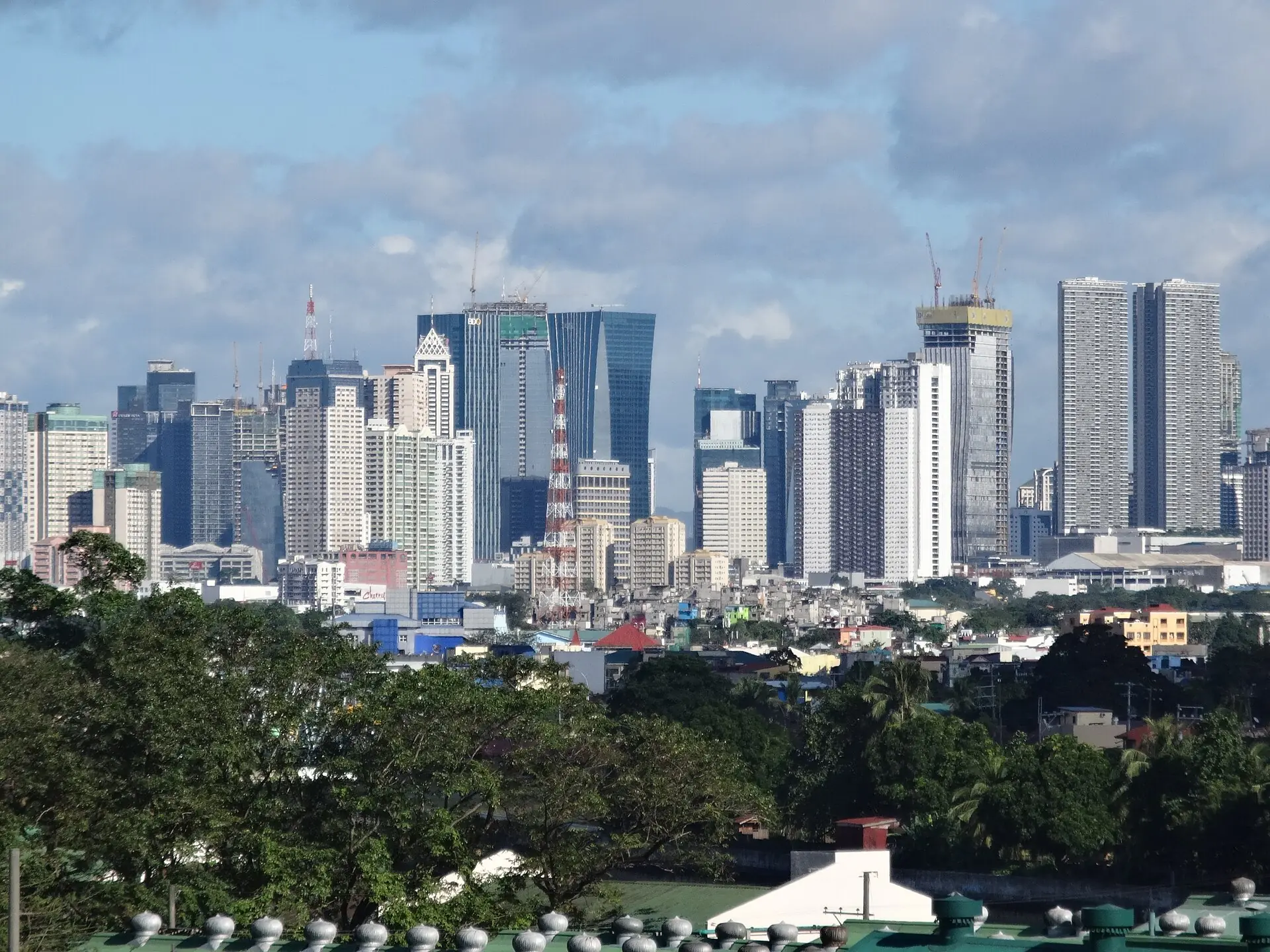
The Ortigas skyline — the gross-to-net rental yield math for Philippine condos
Philippines Yield · The Math

Philippines rental yield: gross, net, and the oversupply effect.

Philippines Rental Yield - Gross vs Net and the Oversupply Effect. Brinkman Data SEO brand card.

A Philippine condo listing quotes one yield. The brochure number. Gross revenue over the sticker price, before occupancy, before the association dues billed every month, before the BIR rental tax, and before the variable that actually decides the realised figure: which submarket you bought into. The asset is a perpetual CCT, not a wasting lease — there is no clock here. The variable that replaces it is submarket oversupply, and it is just as capable of turning a headline gross into a real-world loss. Pillar-level context lives at the Philippines foreign-buyer reality check.

3.1%
modeled net, worked example
0.3%
modeled net, oversupplied example
100–150 ₱
dues per sqm per month

Three Yields

Which number is real?

A Philippine condo has three yields, and the listing always quotes the friendliest one. Gross yield is annual rental revenue over purchase price. It assumes maximum occupancy, ignores the association dues, ignores the BIR rental tax, and ignores Real Property Tax. It is the ceiling, not the floor.

Net yield is what actually reaches your account: realistic occupancy, minus the BIR rental-tax drag on the income, minus the association dues, minus Real Property Tax, minus management, minus a maintenance and refurbishment reserve. Realised yield is net yield after reality — the void months between tenants, the platform refund you absorbed, the two months the unit sat empty because three identical units on the same floor undercut you.

One thing the Philippine buyer gets to keep that a Vietnam buyer never does: the unit is held through a perpetual Condominium Certificate of Title within the foreign-ownership quota. There is no 50-year clock quietly draining the asset. That removes one variable — and it lets the brochure imply the only variable left is upside. It is not. The Capital Allocator optimises for realistic net, then stress-tests it against oversupply. The Lifestyle Buyer reads the gross off the deck and discovers the gap months in. I model all three. The brochure models the view. See how the cost lines stack in the Philippines fee stack.

The Silent Killer

Association dues, the line that never pauses.

A foreign buyer models the mortgage and the rent and stops. The line they consistently under-price is the condominium association dues — charged monthly, per square metre, whether or not the unit is occupied. The condo corporation levies them to fund building staff, security, lifts, pool, gym, common-area utilities, and the sinking fund. A mid-grade tower might charge in the region of 100–150 Peso per square metre per month; a premium BGC or Makati address can run higher still.

Put a worked number on it. On a 35 square-metre one-bedroom at 120 Peso per square metre per month, that is about 4,200 Peso a month, roughly 50,400 Peso a year. On a larger or more premium unit it climbs fast. This line does not pause when the unit is empty — which is exactly why an honest occupancy assumption matters so much.

Two more annual lines sit alongside it. Real Property Tax, the local tax assessed as a percentage of the assessed value, modest but compounding over a long perpetual hold. And the maintenance reserve every working unit needs — aircon servicing, plumbing, repainting between tenants. Get the exact current Peso-per-square-metre dues rate from the condo corporation in writing before you buy, and ask whether a special assessment is pending; a looming facade or lift-replacement levy is a five-figure surprise hiding behind a tidy monthly number. The full carry stack is walked in the fee-stack breakdown.

Two Businesses

Short-let vs the BPO long-let.

The same CCT can be run two completely different ways, and the choice is the single largest determinant of the realised number. Short-let (nightly, booking-platform driven) carries a higher gross per booked night and a heavier drag: platform commission running on the order of 14–18% all-in once host fees, processing, and promotions are counted, plus cleaning turnover, linen, higher wear, and a co-host fee if you are offshore. It is high-volatility and, in several metro submarkets, subject to building-association rules. Model it as a business, not a side income.

Long-let (a twelve-month residential lease) trades a lower per-night-equivalent rate for near-full occupancy in the right submarket, far lighter operating cost, and low volatility. The demand engine is structural, not touristic: the Business Process Outsourcing workforce and the longer-stay expat and professional segment put thousands of salaried, lease-signing tenants near specific business districts year-round. That demand is sticky, indifferent to tourist seasonality, and it rewards proximity to transit and to the office clusters. A unit a ten-minute walk from a major BPO concentration prices its vacancy risk very differently from an identical unit two districts away.

The Playbook position: in an oversupplied submarket, short-let is a trap — you compete on price against dozens of identical units and the platform takes its cut of a shrinking pie. The BPO-anchored long-let is the more defensible model in exactly the submarkets where short-let is weakest. Match the mode to the demand, not to the render. The verification steps live in the due-diligence framework.

92-page PDF · Instant download

Every number on this page, worked end-to-end.

The Philippines Property Buyer’s Playbook walks the 40% cap, the CCT title, VAT vs resale math, the fee stack, and the exit reality — the full framework this research page is built on.

Get The Philippines Playbook — $39

A Worked Net

The same unit, run to the bottom line.

Take a hypothetical worked example: a 9.8M Peso unit, roughly 169,000 USD at about 58 Peso to the dollar. Marketed at 55,000 Peso a month at full occupancy, the brochure can show a gross near 6.7%. Mathematically correct. Operationally fictional.

Underwrite it honestly, run as a long-let in a steady BPO-anchored submarket. At an honest 92% occupancy, realistic gross lands near 607,200 Peso a year. Subtract the modelled rental-tax drag, about 91,080 Peso. Subtract management, about 44,650 Peso. Subtract the fixed association dues, about 96,000 Peso. Subtract Real Property Tax, about 19,600 Peso. Subtract a maintenance and refurbishment reserve, about 49,000 Peso. Net cash to the account is roughly 306,870 Peso.

That is a net yield near 3.1% against the purchase price — computed inside the math, never as a headline figure next to a sticker. The moment a yield number sits beside a price it stops being analysis and starts being a sales claim. Modest, defensible, real, on a perpetual title with low volatility. The figure is an independent research estimate for one illustrative unit, not a promised outcome — run your own numbers against your own unit. Now hold that 3.1%: the next section drops the same headline rent into the wrong tower. The cost lines behind it are itemised in the fee stack.

The Oversupply Effect

Same headline, two submarkets, one collapse.

Vietnam buyers underwrite a 50-year clock. Philippine buyers do not have one — the title is perpetual. The variable that replaces it is oversupply, and it operates through two channels at once. It crushes occupancy: when a submarket absorbs a large wave of near-identical units, the marginal tenant has dozens of substitutes, rents soften, void periods lengthen, and the only lever a single owner controls is price, which everyone else is also cutting. And it crushes resale liquidity: perpetual title means the asset never expires, but it does not mean it sells fast. Both are neutral market conditions — supply is high in certain submarkets because a lot of towers completed in a short window. That is arithmetic, not a verdict on anyone.

Take the same hypothetical unit. Both 9.8M Peso, both advertised at 55,000 Peso a month — identical 6.7% headline gross. Unit A sits in a steady BPO-anchored submarket: it holds 92% occupancy and the full 55,000 rent, nets about 306,870 Peso, a net yield near 3.1%, and resells in an estimated four to eight months. Unit B sits in an oversupplied tower competing against a fresh delivery: occupancy falls to about 64%, the rent has to be cut to 47,000 Peso to fill, realistic gross drops to roughly 360,960 Peso, and after the cost stack plus the heavier void, turnover, and re-letting drag of an oversupplied tower it nets about 33,400 Peso — a net yield near 0.3%, with the exit stretching to an estimated ten to eighteen months.

Same brochure. Same headline. Net yield collapses from 3.1% to 0.3%, and the exit takes two to four times as long. The asset did not change. The submarket did. I model the vacancy. The brochure models the view. If the honest occupancy and the holdable rent produce a net yield you would not accept from a bond, the perpetual title is decorating a loss — the Capital Allocator walks; the Lifestyle Buyer signs because the lobby was nice. Note that these rates and tax figures are stated neutrally and they move; confirm current treatment with a licensed Philippine tax professional. How the foreign-ownership quota shapes which towers you can even buy into sits in the 40% cap.
// FAQ

What is a realistic rental yield on a Philippine condo in 2026?
Listings quote gross yields that can look attractive, often near 6.7%. Net yield, after a realistic occupancy assumption, the BIR rental-tax drag, association dues, Real Property Tax, management and a maintenance reserve, is materially lower - a worked example on a hypothetical 9.8M Peso unit in a steady BPO-anchored submarket nets around 3.1% against price. The same headline rent in an oversupplied tower can collapse to around 0.3%. Every figure is an independent research estimate, not a promised outcome; run your own numbers.
Do association dues really matter to my yield?
They are the line foreign buyers most consistently under-price. The condo corporation charges them monthly, per square metre, whether the unit is occupied or empty. A mid-grade tower might charge in the region of 100 to 150 Peso per square metre per month; on a 35 square-metre unit at 120 Peso that is roughly 50,400 Peso a year. Get the exact current rate from the condo corporation in writing before you buy, and ask whether a special assessment is pending - a looming facade or lift levy is a five-figure surprise.
Is short-let or long-let the better model in the Philippines?
They behave like separate businesses. Short-let carries higher nightly revenue but a heavier drag - platform commission on the order of 14 to 18% all-in, cleaning, higher wear, and high volatility. Long-let trades a lower per-night-equivalent rate for near-full occupancy, lighter cost, and low volatility, anchored to the structural Business Process Outsourcing and expat tenant demand near specific business districts. In an oversupplied submarket, the BPO long-let is the more defensible model.
Is there a 50-year clock on a Philippine condo like in Vietnam?
No. A foreigner owns the condo unit through a perpetual Condominium Certificate of Title within the 40% foreign-ownership cap on the project. There is no wasting leasehold term draining the asset. That is a genuine structural advantage - but it does not remove the variable that replaces the clock: submarket oversupply, which can crush both occupancy and resale liquidity. Underwrite the submarket, not the title.
Why is the brochure yield so different from the real yield?
The brochure quotes gross at maximum occupancy, with no rental tax, no association dues, no Real Property Tax, and no allowance for the void months between tenants. The real number subtracts all of those. In an oversupplied submarket the gap is severe - the same headline 6.7% gross can net around 3.1% in an anchored submarket and around 0.3% in an oversupplied one. The only number worth optimising for is the realised net, stress-tested against an honest vacancy assumption.

Related research

// Same math, other markets

THE SUBMARKET IS THE VARIABLE

The same hypothetical 6.7% headline gross nets a modeled 3.1% in a BPO-anchored submarket and a modeled 0.3% in an oversupplied tower — worked examples, not promises. There is no 50-year clock here; oversupply is the variable that replaced it. The cost lines sit in the fee stack.

Underwrite Before You Wire

The Philippines yield, run to the bottom line.

Gross vs net with the math shown. Association dues and the BIR rental tax. The BPO long-let model. A worked net example, and the oversupply stress test. One PDF.

Get The Philippines Playbook $39

Or start free with the SE Asia Ownership Map — who can own what across six countries.

Instant PDF · 7-Day Guarantee · Secure Checkout

⚠ Disclaimer

Brinkman Data Analytics is an independent research service. Not financial, investment, tax, or legal advice. Philippine property law is jurisdiction-specific. A foreigner cannot own land in the Philippines. Engage a licensed Philippine lawyer, verify every title at the Registry of Deeds, and consult a qualified tax adviser before acting. International real estate carries risk of partial or total loss of capital.

Get The Philippines Playbook $39