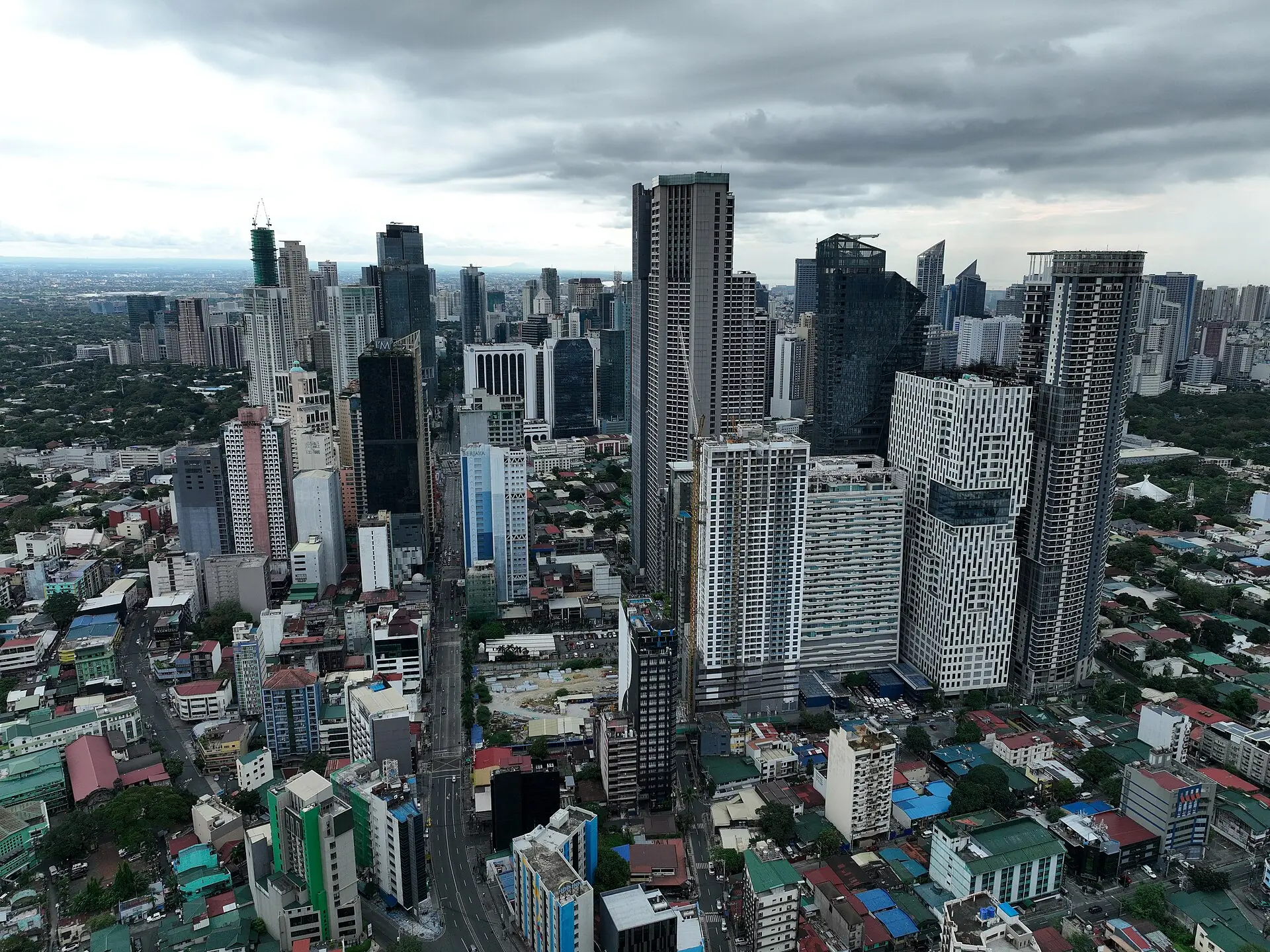
Most foreign buyers run no framework. They tour three show units, like the one with the harbour view, and reserve it before the flight home. The sales team runs a framework — close the reservation before the buyer leaves the country. If you do not have one, you are inside theirs. A Philippine condo is perpetual ownership, so the risk was never a clock; the Philippine traps are front-loaded gate traps that fire at registration, and almost every one is detectable before you pay. This page is the discipline that converts a reservation into a registered title in your name. The pillar-level frame sits at the Philippines foreign-buyer reality check.
Why The Order Matters
A foreigner cannot own land in the Philippines. That is the constitutional spine, and the operator treats it as a fixed fact of the terrain, not an obstacle to engineer around. What a foreigner can own, outright and in perpetuity, is a condominium unit — evidenced by a Condominium Certificate of Title (CCT) — provided foreign ownership across the whole project stays at or below 40% of total floor area, with the land held by a condo corporation that stays at least 60% Filipino-owned. That split is the entire legal architecture, and it is a clean, recognised pathway.
I check the 40% cap before I check the view. The view does not change whether I can legally register the title. The cap does. The Lifestyle Buyer never asks. The Capital Allocator asks first, asks in writing, and asks for the number dated.
None of what follows is a criticism of Filipino sellers, agents, or developers. The overwhelming majority of transactions are clean, and the law is published and knowable. Every loss in this market is a buyer who skipped diligence — not a defect in the frame. The work below is the operator-level supplement to the 40% cap and the legal architecture, turned into a sequence you actually run before any peso moves.
Step One & Two
Step 1 — eligibility and the cap. Three gates, in order. One: is this a genuine, CCT-titled condominium — not a house-and-lot dressed in condo language? A house-and-lot is a land purchase a foreigner cannot register. Confirm the instrument by name: the Condominium Certificate of Title, or nothing. Two: is the project below its 40% foreign ceiling? This is the gate that ends most deals quietly. Ask the developer or the condo corporation, in writing and dated, for the project’s current foreign-ownership percentage by floor area. Selling units is not the same as being able to register your CCT. Three: for any pre-selling tower, does the developer hold a DHSUD License to Sell and a Certificate of Registration for this specific project and phase?
Step 2 — title and developer verification. This is a diligence step, not an accusation; most titles in most projects are clean. The point is that you confirm it independently before deposit. Through a Philippine lawyer, pull a Certified True Copy of the CCT directly from the Registry of Deeds that holds the original. Then read it. The front shows the unit, the owner, the area. The back shows the encumbrances — mortgages, liens, adverse claims, notices of lis pendens, levies. A title can look perfect on the front and carry an encumbrance on the back, and that is invisible from a photocopy of page one. Read both sides before any money moves.
For pre-selling, the developer’s history is the asset until the building exists. Audit it on three axes: did they complete near schedule, did buyers actually receive their individual CCTs after turnover, and how long did title issuance take? Title-issuance lag is the quiet killer — some buyers take possession of a finished unit and wait years for the CCT to release from the mother title. The track record carries through to the off-plan risk in full.
Step Three & Four
Step 3 — net yield, not the brochure gross. The developer, the brochure, and the agent’s spreadsheet all quote you a gross figure. None of it is the number that hits your account. The net runs a four-move comp: a short-stay cap pulled from realised nightly rates and occupancy — after confirming the master deed even permits nightly letting; a long-let comp on achieved rents, which sit below asking in any oversupplied building; the BIR rental-income tax line, since a foreign owner who lets a unit registers with the Bureau of Internal Revenue, obtains a TIN, and is taxed on rental income; and a vacancy haircut sized to the submarket, not a national average. Document the resulting net yield standalone, never beside the asking price. A large share of "high-yield" gallery units collapse to thin net once the real stack is applied. That collapse is the point.
Step 4 — the exit and repatriation test. The Philippine condo’s specific risks live at the exit, because the asset is perpetual — the danger was never a clock running out. It is who can buy it from you and whether your money can leave. Your most natural buyer in a foreign-marketed tower is another foreigner — who faces the same 40% cap you did. If the building is near its ceiling at exit, your foreign buyer pool is closed and you are selling into the domestic market, often at a different price point. And to repatriate sale proceeds and capital cleanly in foreign currency, register the inbound investment with the Bangko Sentral ng Pilipinas (BSP) when the money comes in — route the funds through the banking system and keep the inward-remittance records. It is a five-minute decision at entry and a multi-month headache at exit if you skip it. See the foreign-buyer overlay for the full money-in, money-out logic.
92-page PDF · Instant download
The Philippines Property Buyer’s Playbook walks the 40% cap, the CCT title, VAT vs resale math, the fee stack, and the exit reality — the full framework this research page is built on.
Get The Philippines Playbook — $39The Seven Red Flags
Step 5 is binary. Pre-deposit, run the listing against the seven signals. Any one of them stops the deal until it is resolved in writing — you do not argue around the trigger, and you do not accept a verbal assurance in place of a document.
Run all five steps across a search window. Most units die at Step 1 or Step 2 — before you have spent a peso, on grounds the sales gallery had no reason to volunteer. Five of these seven are resolved by a single piece of paper requested before deposit: the dated foreign-ownership percentage, the Certified True Copy of title, and the License to Sell. The Bali due-diligence framework runs the same logic in a different country.
The Bottom Line
Every Step 1 question goes in writing and comes back in writing. Not because anyone is acting in bad faith — because a saved document is the only thing that survives a sales-office reshuffle or a dispute eighteen months later. A confident sales team produces the cap percentage, the Certified True Copy, and the License to Sell in a day. Stop trusting the verbal. Start building the paper file. I pull the Certified True Copy before I check the gym, and I read the back of the title before I read the amenity list.
That is the difference between a Capital Allocator’s purchase and a Lifestyle Buyer’s reservation slip. The Allocator knows the cap has headroom, the title is clean on both sides, the developer issues CCTs, the income survives the BIR line, and the money can come back out — all of it documented before the reservation fee, while it still costs nothing to walk. Don’t be the buyer who verified the gym, the view, and the pool, and never pulled the title.
// FAQ
Related research
Buying a Condo in the Philippines as a Foreigner
the pillar that frames due diligence inside the foreign-ownership architecture.
Read →
Philippines Off-Plan Risk
the unlicensed pre-sell trap, developer default, and the oversupply overlay.
Read →
The CCT Explained
why the Certified True Copy at the Registry of Deeds is the single highest-value hour of diligence.
Read →
Bali Villa Due Diligence
the same pre-purchase discipline, applied across the border in Indonesia.
Read →
The SE Asia Ownership Map
who can own what across six countries — the free pan-regional starting point.
Read →
Vietnam Property Due Diligence
the 5-step framework adapted to pink books and the 30% quota.
Read →
// Same math, other markets
Vietnam
Vietnam: the 50-year clock & the 30% cap
The 30% quota, the 50-year clock, the pink book — the full research cluster.
Bali
Bali: leasehold decay & the four pathways
Leasehold decay math and the four legal ownership pathways — the full research cluster.
Free PDF
SE Asia Ownership Map — who can own what across 6 countries
Email-gated. Instant download.
PAPER FIRST, PESO SECOND
Underwrite Before You Reserve
The 5-step framework. The seven red flags. The written-ask scripts. The dated cap letter, the Certified-True-Copy pull, the License-to-Sell request, and the BSP-registration rule — the diligence the sales gallery has no reason to run for you.
Get The Philippines Playbook $39Or start free with the SE Asia Ownership Map — who can own what across six countries.
Instant PDF · 7-Day Guarantee · Secure Checkout
Brinkman Data Analytics is an independent research service. Not financial, investment, tax, or legal advice. Philippine property law is jurisdiction-specific. A foreigner cannot own land in the Philippines. Engage a licensed Philippine lawyer, verify every title at the Registry of Deeds, and consult a qualified tax adviser before acting. International real estate carries risk of partial or total loss of capital.