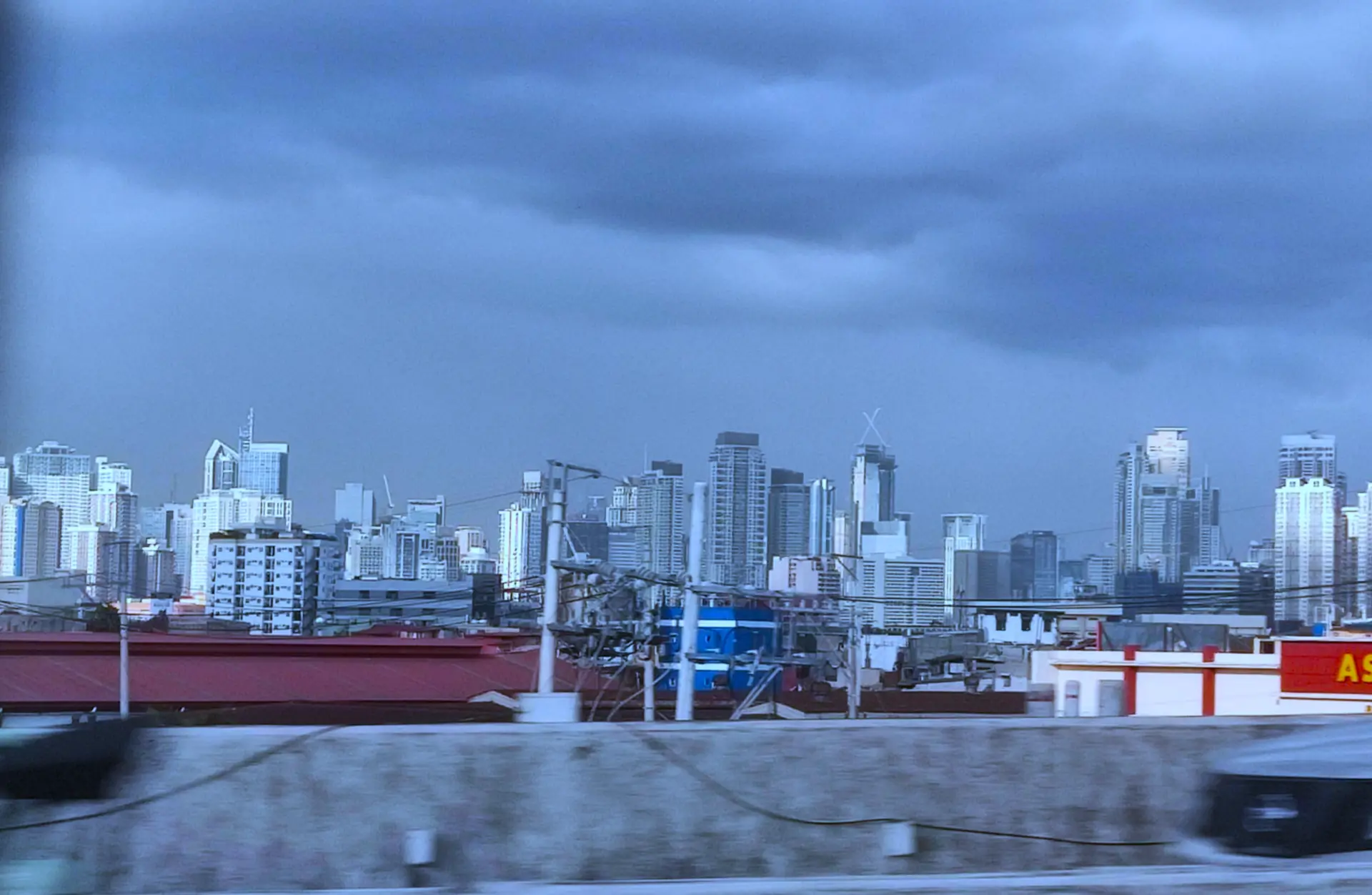
The Makati skyline — the condo investment case for Manila's legacy CBD
Philippines Geography · Makati CBD

Makati condo investment: the established CBD long-let.
Makati Condo Investment — The Established CBD Long-Let. Brinkman Data SEO brand card.

Makati is the original Manila financial district — embassies, the Ayala corridor, a deep mix of older and newer stock, and one of the two Strong-liquidity prime markets in the country. It is mature, liquid, and well understood, which means little is mispriced and little is a trap. The catch sits in the older core, where a low asking price can hide a thin reserve fund and a series of future capital calls. The unit is yours perpetually on a CCT, behind the same 40% cap. The structural frame sits at the Philippines foreign-buyer reality check.

3–6%
appreciation projection band
Strong
resale liquidity rating
20–30 yr
stock age in the older core

The Mature Market

Fully discovered, which is the point.

Makati is the established central business district — the original Manila CBD, the embassy belt, the Ayala-corridor towers, and a deep mix of older and newer stock. The region-scout matrix places realised long-let occupancy in the mid eighties to low nineties against a stable, established tenant pool, with the appreciation projection in the Low-med band, roughly 3–6% annualised over a five-year forward horizon.

Makati is fully discovered. You are not finding a frontier growth curve here — little is mispriced, but little is a trap either. That maturity is the feature for the buyer who prioritises liquidity and a transparent comp set over upside. The older Legaspi and Salcedo Village stock can offer genuine value if the building is well managed. The buyer chasing yield maximisation is in the wrong submarket; the buyer who wants a liquid, well-understood long-let position is in the right one.

The projection band is an independent-research estimate, not a forecast and not a promise — independent sources project both higher and lower. Run the net-yield math on a multi-year lease before you assume the headline gross holds after the fee stack.

The Age Tax

An old tower with a thin reserve is a series of capital calls.

The matrix rates Makati’s complexity Med, and the reason is building age. Some Makati stock is twenty to thirty years old. That is not a defect — mature buildings can be excellent — but it changes the diligence. An aged tower can carry deferred maintenance and special-assessment risk that a glossy newer launch does not. The lowest asking price in a block is frequently the building that has been deferring its capital expenditure the longest.

So you pull the condominium corporation’s reserve-fund position and its recent special-assessment history before you buy. An old tower with a thin reserve fund is a series of future capital calls wearing a low asking price. The brochure quotes the per-square-metre discount; the Operator prices in the special assessment that arrives in year three.

This is building-level diligence, not a comment on the district. Where Makati’s risk is age and reserves, the BGC comparison shows the newer prime grid where the live constraint is cap pressure rather than building age.

The Liquidity And The Cap

Strong resale, same 40% gate, clean CCT or walk.

The matrix rates Makati resale liquidity Strong — the second of the two deepest exit pools in the country alongside BGC. A perpetual CCT is only as useful as your ability to sell it onward, and Makati’s mature, transparent buyer base gives you that. The exit is decided at entry, and Makati is one of the two submarkets where the exit is least likely to test you.

The 40% foreign cap applies here exactly as it does everywhere — checked at registration against the whole project. Older Makati buildings vary widely in how much foreign headroom remains, so confirm the project’s current foreign-ownership percentage in writing, dated, before any reservation. And regardless of how reputable the seller looks, verify the CCT is clean and unencumbered at the Registry of Deeds. A title that does not check out at the registry is not your title.

The mechanics of the cap and the certificate sequence are walked in full at the 40% cap. None of this is a criticism of any seller or agent — it is the structure of buying a perpetual unit behind a project-level cap. Name the check, then run it.

92-page PDF · Instant download

Every number on this page, worked end-to-end.

The Philippines Property Buyer’s Playbook walks the 40% cap, the CCT title, VAT vs resale math, the fee stack, and the exit reality — the full framework this research page is built on.

Get The Philippines Playbook — $39

The Underwriting Filter

Three Makati checks before the wire.

  1. Reserve fund and special-assessment history. Pull the condominium corporation’s reserve-fund position and recent special-assessment record, especially on older Legaspi and Salcedo stock. A low asking price on a thin-reserve tower is future capital calls wearing a discount.
  2. Foreign-cap headroom, in writing. Confirm the project’s current foreign-ownership percentage and the room remaining under the 40% cap, dated, before any reservation. Older buildings vary widely on how much headroom is left.
  3. Clean CCT at the Registry of Deeds. Verify the title is clean and unencumbered regardless of the seller’s reputation, and confirm a properly documented inbound path so sale proceeds can be moved out later.

A hypothetical worked example: a Makati two-bedroom in the region-scout indicative band sits around USD 300,000 — recompute against live listings and the live USD/PHP rate, and against the documentation you will need to repatriate proceeds later. The BGC read sets out the newer prime alternative.

// FAQ

Is Makati a good place for a foreigner to buy a condo?
Makati suits the buyer who prioritises liquidity and a transparent comp set over upside. It is the established financial district, mature and fully discovered, with one of the two Strong resale-liquidity ratings in the country. The appreciation projection is Low-med, roughly 3 to 6 percent annualised, and the live diligence is building age — pull the reserve fund and special-assessment history, especially on older core stock, before you buy.
Can a foreigner own a Makati condo outright?
Yes, perpetually, if the project has headroom under the 40% foreign cap. A foreigner owns the unit on a Condominium Certificate of Title in their own name, with no term and no clock, while the land beneath belongs to a condominium corporation that must stay at least 60% Filipino. Confirm the project's current foreign-ownership percentage in writing, and verify the CCT is clean at the Registry of Deeds, before any reservation.
What is the biggest risk buying an older Makati condo?
Building age and association health. Some Makati stock is twenty to thirty years old and can carry deferred maintenance and special-assessment risk. An old tower with a thin reserve fund is a series of future capital calls wearing a low asking price. Pull the condominium corporation's reserve-fund position and recent special-assessment history before you commit — the lowest asking price on a block is often the building that has deferred its capital expenditure longest.
What is the rental yield on a Makati condo?
Makati is a long-let market against a stable, established tenant pool, so the yield read is steady. Net yield after the fee stack — association dues, taxes, management, and any special assessments on older stock — is building specific and can be eroded materially by an aged tower's capital calls. Run the worked example with your own cost assumptions rather than trusting a listing's gross figure.
Is Makati better than BGC for foreign buyers?
They are both prime, Strong-liquidity districts and the choice is one of profile. Makati is the established CBD — mature, transparent, with older stock that can offer value but needs a reserve-fund and special-assessment diligence pass. BGC is the newer master-planned grid with the deepest corporate-covenant pool, where the live constraint is 40%-cap pressure rather than building age. Both carry Low-med appreciation projections; confirm quota and a clean CCT either way.

Related research

// Same math, other markets

PRICE THE CAPITAL CALL

An old tower with a thin reserve fund is a series of future capital calls wearing a low asking price. Pull the condominium corporation’s reserve-fund position and special-assessment history before you buy — the newer-prime alternative, where the constraint is cap pressure rather than building age, sits at the BGC read.

Mature, Liquid, Diligenced

Makati, building by building.

The established long-let. Strong resale liquidity. The reserve-fund diligence. The 40% cap and clean-CCT check. One PDF, for the operator.

Get The Philippines Playbook $39

Or start free with the SE Asia Ownership Map — who can own what across six countries.

Instant PDF · 7-Day Guarantee · Secure Checkout

⚠ Disclaimer

Brinkman Data Analytics is an independent research service. Not financial, investment, tax, or legal advice. Philippine property law is jurisdiction-specific. A foreigner cannot own land in the Philippines. Engage a licensed Philippine lawyer, verify every title at the Registry of Deeds, and consult a qualified tax adviser before acting. International real estate carries risk of partial or total loss of capital.

Get The Philippines Playbook $39