Can Singaporeans buy property in Japan? Yes, freehold, and Japan is where the tax happens.

// Short answer
Yes. A Singaporean can own Japanese land and buildings freehold, on the same terms as a Japanese buyer, with no permit and no quota. The useful part for a Singapore buyer is where the tax lands: Japan withholds and taxes the rent, and IRAS treats overseas income received in Singapore by individuals differently from a worldwide-tax system.
Rules and rates as of September 2026. Japan's policy on foreign purchases is under review, so check the dated items again before you sign. Nothing here is tax advice for your own country. Every figure links to its source.
On this page
Can Singaporeans buy property in Japan?
Yes. As of September 2026 no Japanese law restricts foreign individuals or companies from buying land or buildings, and a Singapore buyer takes the same freehold ownership as a Japanese one. No nationality test, no quota, no approval. The duties that exist are reporting duties on non-residents.
Timing caveat. A government expert panel postponed its recommendations on restricting foreign real estate purchases to autumn 2026, and a bill to tighten the law on land near important facilities was being prepared for the autumn Diet session. Nothing nationality-based was in force when this page was written.
What a foreign owner holds: foreign property ownership in Japan, explained.
Sources
Does Singapore tax the rent from a Japanese property?
IRAS publishes its position on income received from overseas, and it is not the same as the worldwide-income systems an American or an Australian buyer lives under. Read the IRAS page for your own facts before you model anything, because the answer turns on how and where the income is received.
This is the real difference between a Singapore buyer and most of the other passports asking this question. An American owner of the same Tokyo unit carries a US return, an FBAR and a FATCA report on top of the Japanese filings. The Singapore position is set out by IRAS and is materially different in shape.
Singapore also has a network of double taxation agreements, listed by IRAS. This page does not give tax advice and does not tell you what you owe. It tells you which two authorities decide it.
What does Japan take out of the rent first?
20.42% of the gross rent is withheld by the payer, except where an individual tenant rents the home to live in. Net rental income is then taxed at progressive national rates of 5% to 45% plus a 2.1% reconstruction surtax, settled in a return filed between 16 February and 15 March of the following year.
- Tax representative. A non-resident must appoint one in Japan. The withholding is credited against the real tax when the return is filed.
- Annual taxes. Fixed asset tax at a standard 1.4% plus city planning tax of up to 0.3%, both on the assessed value, billed to whoever owns the property on 1 January.
- Residential land relief. For up to 200 square metres per dwelling, fixed asset tax is charged on one sixth of the assessed value. A condo unit's share of the land normally falls inside that band.
The full breakdown: Japan property tax for foreigners.
Sources
What does a Singapore buyer have to file in Japan?
FEFTA Form No. 22, with the Minister of Finance through the Bank of Japan, within 20 days of acquisition, in Japanese. It applies because you are a non-resident of Japan, not because of your passport. Since 1 April 2026 there is almost nothing left that is exempt.
- No threshold. No minimum amount or area, and an inheritance is reportable.
- Own-use homes are in scope now. Buying ownership of a home to live in stopped being exempt on 1 April 2026, as did buying from another non-resident.
- Penalty. Up to six months' imprisonment or a fine of up to JPY 500,000 for not filing or filing falsely.
- Domestic contact. Since 1 April 2024 an owner with no address in Japan must name a contact person in Japan on the registration, with their consent and seal certificate.
Sources
What does the purchase itself cost in Japan?
Acquisition tax at 3% on land and residential buildings acquired by 31 March 2027, registration tax at 1.5% on land and up to 2% on the building, stamp tax on the contract, a capped broker commission and a judicial scrivener's fee. The two big taxes run on the assessed value, not the price.
That last point is the one that breaks spreadsheets built in Singapore. You cannot derive the tax from the price. Ask the broker or scrivener for the assessed values of the land and the building before you sign, because the same figure also drives the annual fixed asset tax.
The broker's commission is capped by ministry notice. Above JPY 8M the cap works out to 3% of the price plus JPY 60,000 plus consumption tax. A cap is a ceiling, not a fixed fee. Every one-off fee: Japan property buying costs.
Sources
How does a Singaporean get the money back out of Japan?
Freely, as far as currency rules go. No approval is needed to bring money into Japan for a purchase or to take sale proceeds out. The friction on the way out is tax: 10.21% of the gross price is withheld by the buyer when the seller is a non-resident, and the gain is taxed at 15% or 30% plus the surtax.
The 15% rate needs the property to have been held more than five years as of 1 January of the year of sale. Otherwise it is 30%. The 10.21% withholding does not apply where the price is JPY 100M or less and the buyer is an individual buying the home to live in.
Separately, a Japan resident who receives a payment above JPY 30 million from a non-resident in one transaction files a payment report. When you are the buyer, that duty is the seller's. Step by step: selling property in Japan as a foreigner.
Sources
// Buying in Japan?
Every listing in your budget, ranked on net yield, appreciation and resale. Any market with public listing data; book a free call first so I can confirm your city has the data.
See the $499 report, page by pageFrequently Asked Questions
Can a Singaporean own freehold land in Japan?
Will Singapore tax my Japanese rental income?
Why is 20.42% taken from my Japanese rent?
Do I need anyone in Japan to hold the property?
Is there any currency control on money into or out of Japan?
Is the Japanese tax charged on what I paid for the property?
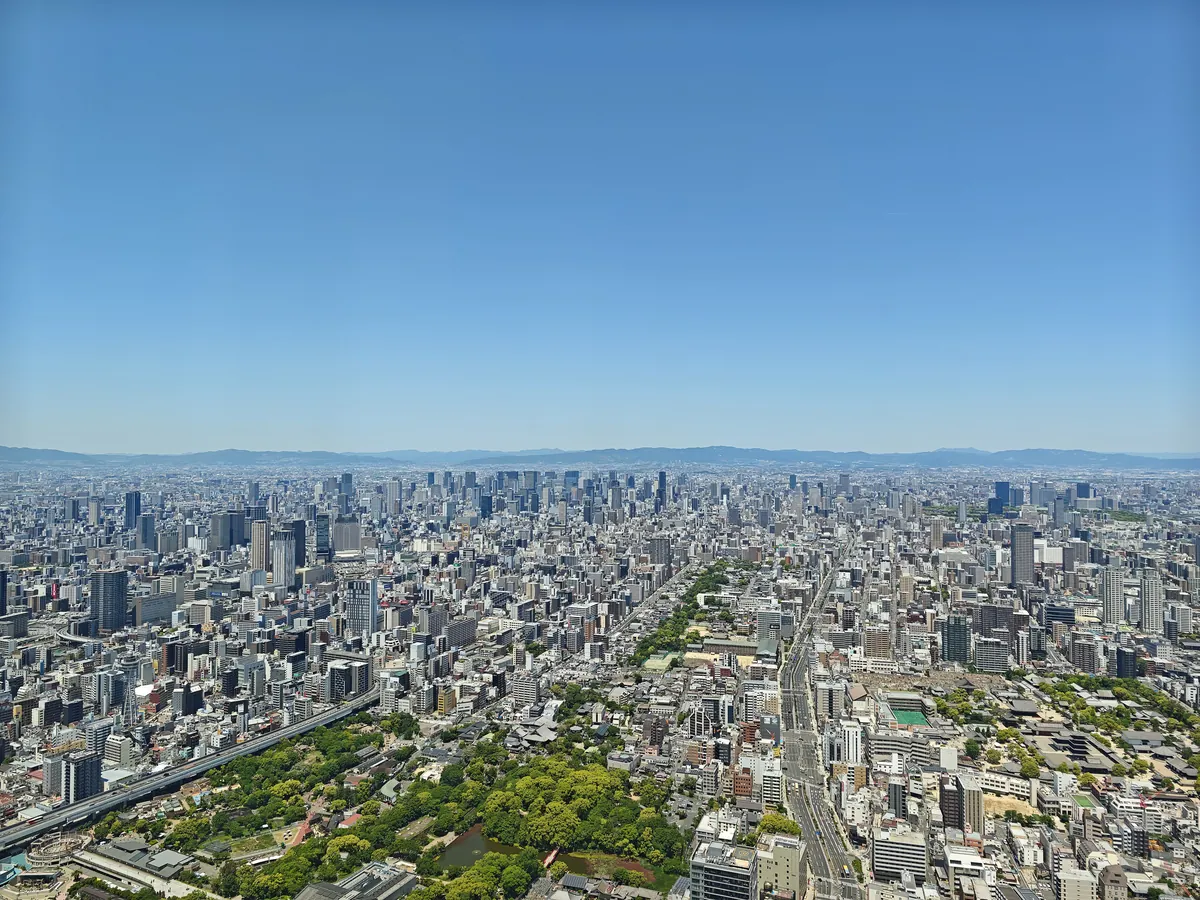
Header photo: Loggieloggie, CC0, via Wikimedia Commons. All credits: image credits.