Transferring money to Japan for a property: no approval, two reports, one exit withholding.

// Short answer
You do not need approval to send money into Japan to buy property, or to take the sale proceeds out. Japan monitors after the fact instead. A non-resident buyer files FEFTA Form No. 22 within 20 days, and a Japan resident receiving over JPY 30 million from a non-resident files a payment report. The exit friction is tax.
Rules and rates as of September 2026. Japan's policy on foreign purchases is under review, so check the dated items again before you sign. Every figure links to its source.
On this page
Do I need approval to send money to Japan to buy property?
No. As of September 2026, no approval is needed to bring money into Japan for a property purchase or to take the proceeds out. Japan uses post-transaction reporting to monitor cross-border property deals instead of permission in advance. The reports fall on the non-resident buyer and on the Japan resident who receives a large payment.
This is the opposite of markets where the money trail decides whether you can register the title at all. In Japan the registration and the money are separate questions.
What is the JPY 30 million payment report?
A Japan resident who receives a payment above JPY 30 million from a non-resident in one transaction must file a Report on Payment or Receipt of Payment. So when a buyer abroad pays a seller who lives in Japan, the duty is the seller's, not the buyer's.
It is a statistical and monitoring report, separate from the buyer's own FEFTA report on the property.
What does the buyer report after the money lands?
The property itself. A non-resident who acquires real property in Japan files Form No. 22 with the Minister of Finance through the Bank of Japan within 20 days of acquisition, in Japanese, directly or through an agent living in Japan. Since 1 April 2026 this covers own-use homes and purchases from other non-residents.
Missing it can mean up to six months' imprisonment or a fine of up to JPY 500,000. The details: foreign ownership in Japan, explained.
Can I take the money out of Japan when I sell?
Yes. There is no currency control on repatriating sale proceeds. The friction on the way out is tax: when a non-resident sells, the buyer normally withholds 10.21% of the gross price and pays it to the tax office, and the seller files a return to settle the actual tax on the gain.
The withholding does not apply where the price is JPY 100M or less and the buyer is an individual buying the home to live in. The rest of the exit: selling property in Japan as a foreigner.
Sources
Should I plan to borrow in Japan instead of transferring cash?
Plan on transferring cash. Japanese bank mortgages are, in practice, for people who live in Japan; the foreigner-friendly lenders in a published review all required the applicant to live there. That review dates from 2018, and no current non-resident lending terms were confirmed for this page in September 2026.
If a lender offers terms, get them in writing before the contract and deposit.
// Buying in Japan?
Every listing in your budget, ranked on net yield, appreciation and resale. Any market with public listing data; book a free call first so I can confirm your city has the data.
See the $499 report, page by pageFrequently Asked Questions
Is there a limit on how much money I can send to Japan for a property?
Who files the report when more than JPY 30 million is paid?
Can I repatriate the proceeds after selling Japanese property?
Can a foreigner living abroad get a Japanese mortgage?
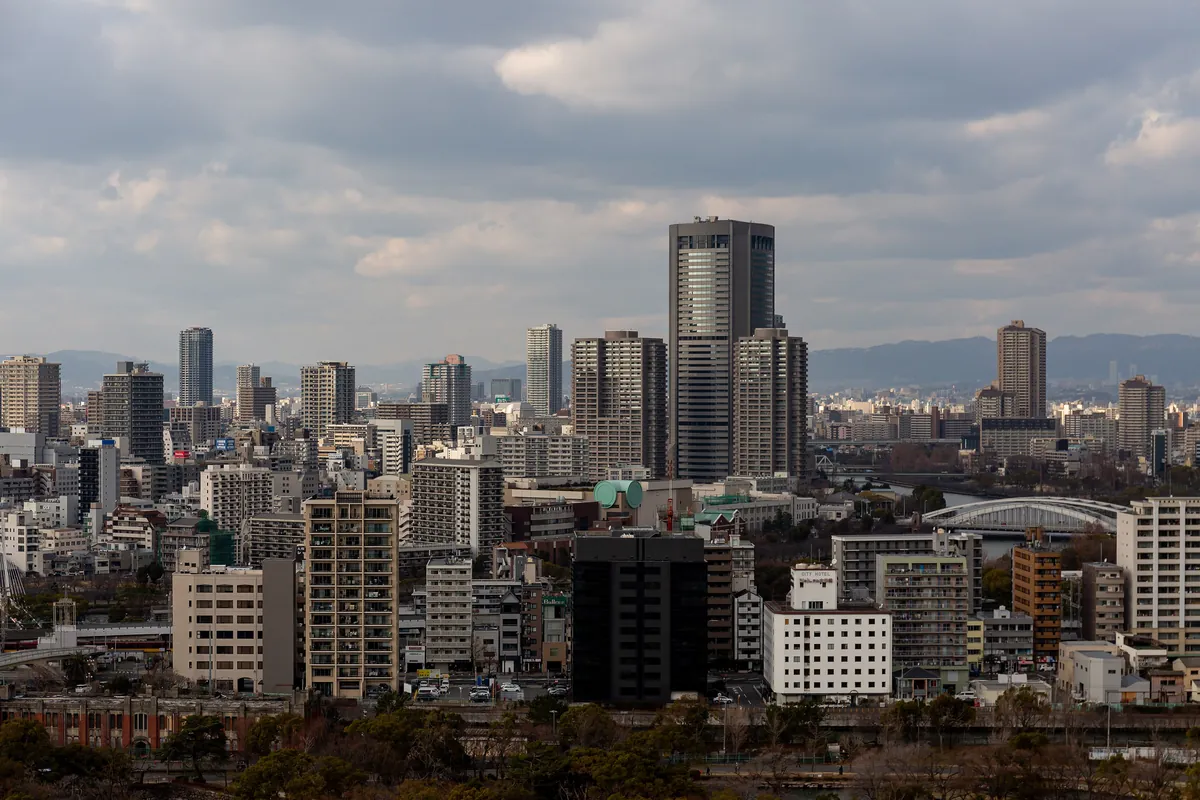
Header photo: Balon Greyjoy, CC0, via Wikimedia Commons. All credits: image credits.