Foreign property ownership in Japan, explained: no nationality limit, more paperwork.

// Short answer
A foreigner can own land and buildings in Japan outright, on the same terms as a Japanese buyer. As of September 2026 the rules that apply to foreigners are about reporting, not permission: a FEFTA report for non-residents that was widened on 1 April 2026, and a nationality declaration for every new owner from 5 October 2026.
Rules and rates as of September 2026. Japan's policy on foreign purchases is under review, so check the dated items again before you sign. Every figure links to its source.
On this page
- Is there any limit on foreigners owning property in Japan?
- What is the FEFTA report and who has to file it?
- What changed for foreign buyers in Japan on 1 April 2026?
- What is Japan's nationality declaration from October 2026?
- Are there restricted areas for property in Japan?
- What does a foreign owner living abroad need on the Japanese register?
Is there any limit on foreigners owning property in Japan?
No limit based on nationality or residency was in force as of September 2026. Foreign individuals and companies can buy land and buildings, freehold included, on the same terms as Japanese nationals. No government page states this positively; it follows from the absence of any restriction in the Finance Ministry and Cabinet Office rules.
That position is under review. A government expert panel postponed its recommendations on foreign purchases to autumn 2026, and a bill to tighten the law on land near important facilities was being prepared for the autumn Diet session. Check both before you sign.
Sources
What is the FEFTA report and who has to file it?
Under the Foreign Exchange and Foreign Trade Act, a non-resident who acquires Japanese real property, or rights over it such as a leasehold or a mortgage, files Form No. 22 with the Minister of Finance through the Bank of Japan within 20 days. It is in Japanese and can be filed by an agent living in Japan.
- Who is a non-resident: a foreign national is presumed to be one unless they work at an office in Japan or have been in Japan six months or more. Whether you own or rent your home abroad does not matter.
- No threshold: no minimum amount or area. A 0-yen acquisition or an inheritance is reportable.
- Penalty: up to six months' imprisonment or a fine of up to JPY 500,000 for not filing or filing falsely (FEFTA Art. 71(1)(iii)). File late rather than not at all, with a short explanation.
Sources
What changed for foreign buyers in Japan on 1 April 2026?
The exemptions narrowed. For acquisitions on or after 1 April 2026, buying ownership of a home to live in is no longer exempt from the FEFTA report, and buying from another non-resident is no longer exempt either. Holiday homes and second homes never counted as residential use. In practice almost every non-resident purchase is now reportable.
The residential exemption that remains covers only rights such as a leasehold, not ownership. So a condo on leased land (shakuchiken) still triggers a report for the building, even where the leasehold itself is exempt.
Sources
What is Japan's nationality declaration from October 2026?
From 5 October 2026, anyone registering as a new owner of Japanese property, by purchase, gift or inheritance, must declare a nationality to the Legal Affairs Bureau. It applies to Japanese and foreign owners alike, and the nationality is not printed on the public register. It comes from an amendment to the registration rules promulgated on 31 March 2026.
This page relies on press and professional-body reporting of the amendment; the ministry's ordinance text itself was not located. Your judicial scrivener will know the exact form.
Sources
Are there restricted areas for property in Japan?
Not restricted, but monitored. Under a law fully in force since 20 September 2022, areas within about 1,000 metres of important facilities such as defence sites, or on remote border islands, can be designated monitored areas. In special monitored areas, the parties to a transfer must notify the government in advance.
The advance notice applies to land or floor area of 200 m² or more, and it applies to Japanese and foreign buyers alike. It is not a nationality rule. Ask the broker whether the property sits in a monitored area before you sign.
Sources
What does a foreign owner living abroad need on the Japanese register?
A domestic contact. Since 1 April 2024, when an owner with no address in Japan is registered, the application must name a contact person in Japan, with their consent and seal certificate. It can be a relative, a company, a real estate firm or a judicial scrivener. Foreign owners also give a romanised name.
More on the register itself: Japan's property registration (tōki), explained.
// Buying in Japan?
Every listing in your budget, ranked on net yield, appreciation and resale. Any market with public listing data; book a free call first so I can confirm your city has the data.
See the $499 report, page by pageFrequently Asked Questions
Can a foreigner own land in Japan?
Do I have to be a resident to own property in Japan?
Is buying my own home in Japan exempt from the FEFTA report?
Will my nationality appear on the Japanese property register?
Is Japan going to restrict foreign buyers?
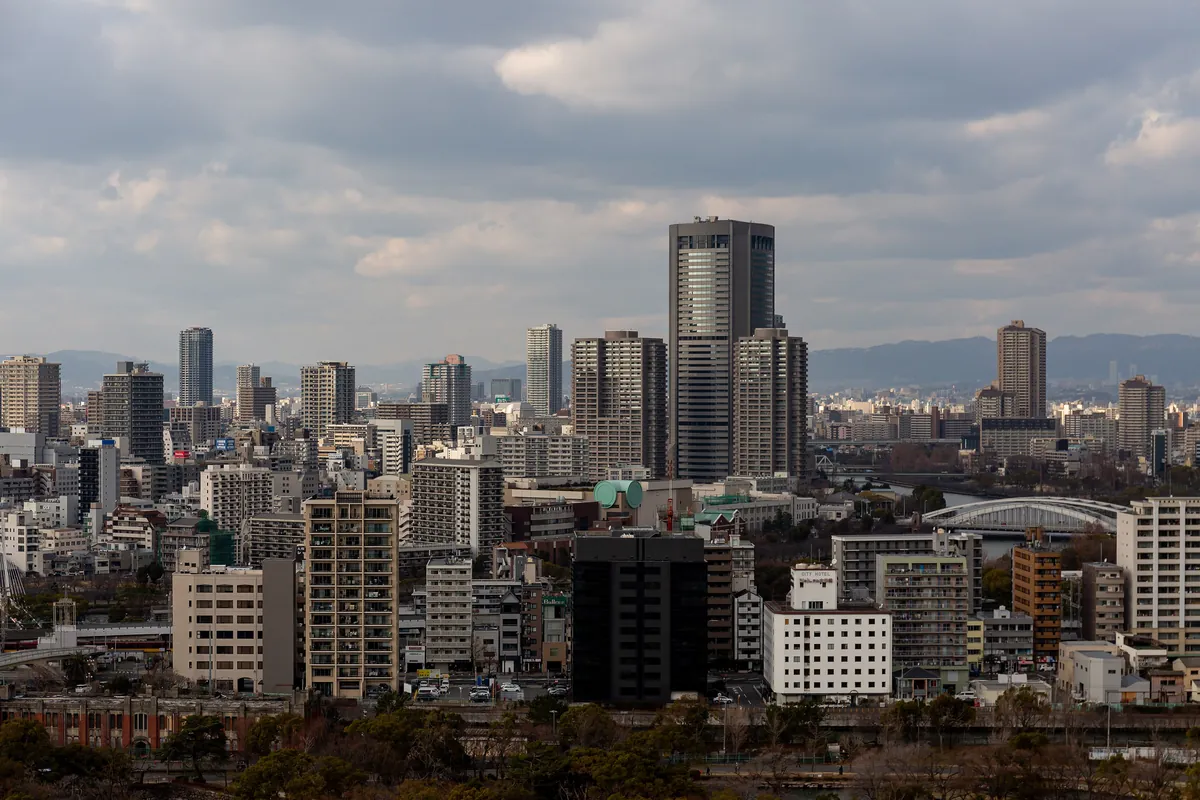
Header photo: Balon Greyjoy, CC0, via Wikimedia Commons. All credits: image credits.