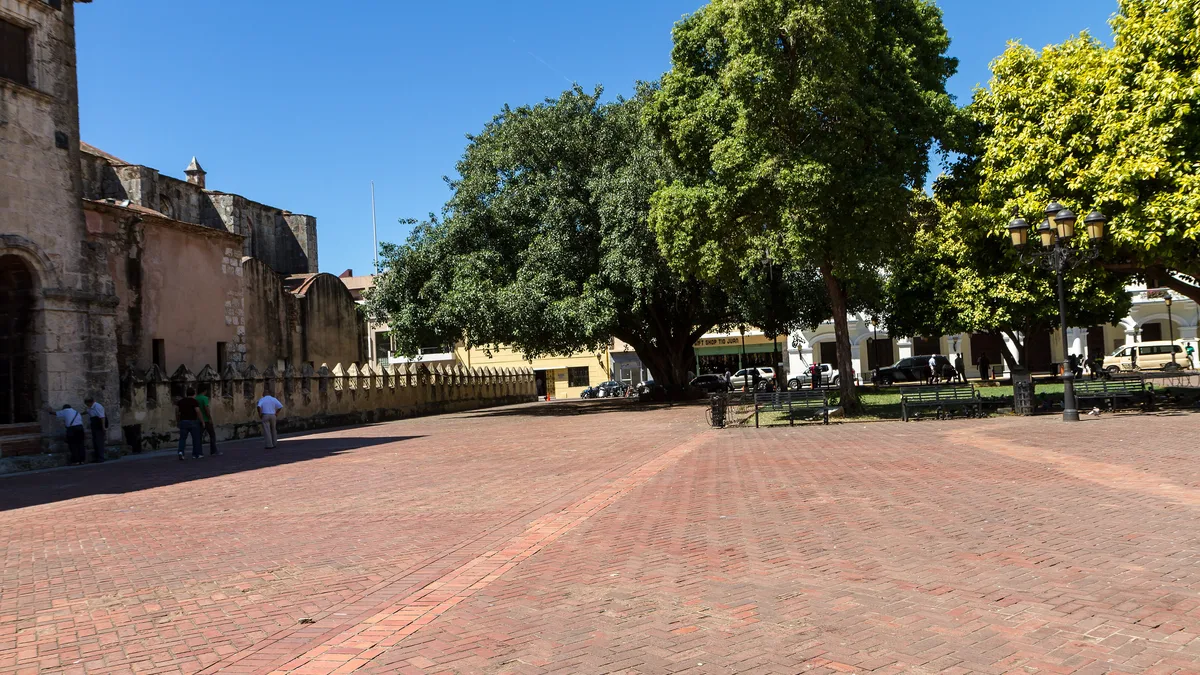
Selling property in the Dominican Republic as a foreigner: same process as a Dominican, one tax rule still open.

// Short answer
A foreigner sells Dominican property the same way a Dominican does: a notarised deed, the duplicate title, a clean IPI certificate, and registration of the buyer. The part that is not settled in September 2026 is the tax on the gain. Law 30-26 introduced a 10% rate for individuals, but whether and from when it applies to non-residents awaits DGII regulations.
Rules and rates as of September 2026. The Dominican Republic's June 2026 tax reform (Law 30-26) was still awaiting its regulations, and several figures here come from secondary sources, so check the dated items with the DGII before you sign. Every figure links to its source.
On this page
- Can a foreigner sell property in the Dominican Republic?
- What documents does the seller provide?
- What tax does a foreigner pay on the gain from a Dominican sale?
- Are there exemptions from the new Dominican capital gains tax?
- What does selling cost in the Dominican Republic?
- Can I take the sale proceeds out of the Dominican Republic?
Can a foreigner sell property in the Dominican Republic?
Yes. Foreigners can buy, rent out and sell property on the same terms as nationals, according to a Dominican attorney quoted by El Inmobiliario in June 2026, and the U.S. State Department reports the same procedures for foreigners as for citizens. The sale is registered at the Registro de Títulos.
The buying side, for context: buying property in the Dominican Republic as a foreigner.
Sources
What documents does the seller provide?
The seller's duplicate Certificado de Título, or a transferable Constancia Anotada; a DGII certification that IPI is paid or exempt; the seller's ID, plus the spouse's where relevant; and the signed deed. Foreign sellers identify with a passport plus a second national ID. A marriage certificate is needed where the civil status on the title differs.
If your ownership sits on a Constancia Anotada, expect buyers to ask about a deslinde: the certificado de título, explained.
Sources
What tax does a foreigner pay on the gain from a Dominican sale?
Not settled as of September 2026. Law 30-26 introduced a 10% flat, final tax on real estate gains by individuals, payable within 6 months of the transfer, per Siempre al Día. Whether it applies to non-residents, and whether it runs from June 2026 or fiscal 2027, were awaiting regulation.
Before Law 30-26, gains were taxed as ordinary income, individuals up to 25% and companies 27%, with the acquisition cost indexed for inflation, according to PwC. The taxable base under the new rule, including inflation adjustment, inherited property and improvements, was not defined when El Inmobiliario reported on 25 June 2026. This page does not give a rate for a non-resident seller. Get one from a Dominican tax adviser at the time you sell.
Sources
Are there exemptions from the new Dominican capital gains tax?
Two, as reported. The sale of a habitual residence is exempt if the proceeds are reinvested in another habitual residence within 6 months, partly exempt if partly reinvested. Sellers over 65 selling their habitual residence are fully exempt. Both come from Law 30-26, per Siempre al Día and El Inmobiliario.
These are secondary summaries of a law whose official text could not be read for this page. Confirm them for your case.
Sources
What does selling cost in the Dominican Republic?
Mainly the agent. Global Property Guide gives an agent fee of 2% to 3% paid by the seller, and puts total seller costs at 2% to 3%. The 3% transfer tax is normally listed as a buyer cost. Settle any IPI due first, because the registry needs a certificate that it is paid.
If you bought a CONFOTUR unit, your buyer does not inherit the exemption: only the first purchaser from the developer benefits. The full cost table: Dominican Republic property buying costs.
Sources
Can I take the sale proceeds out of the Dominican Republic?
Generally yes. The U.S. State Department reports free convertibility of the peso and no restrictions on repatriating investment funds. In practice you need the ProDominicana foreign investment registration certificate to repatriate proceeds and to buy foreign exchange, and the Central Bank must be notified within 60 days of the remittance.
If you did not register the investment when you bought, raise it with your lawyer well before the sale. The money side: transferring money to the Dominican Republic for a property.
// Buying in Dominican Republic?
Every listing in your budget, ranked on net yield, appreciation and resale. Any market with public listing data; book a free call first so I can confirm your city has the data.
See the $499 report, page by pageFrequently Asked Questions
What is capital gains tax on property in the Dominican Republic?
Who pays the transfer tax when selling in the Dominican Republic?
Does the CONFOTUR exemption pass to my buyer?
Do I need an IPI certificate to sell?
Can I send my sale proceeds home?
Header photo: Максим Улитин, CC BY 3.0, via Wikimedia Commons. All credits: image credits.