Selling property in Croatia as a foreigner: the two-year line, the 24%, the certified signature.
// Short answer
Hold Croatian property for more than two years and, as an individual, you pay no tax on the gain when you sell, unless you sell more than three properties of the same type within five years. Sell sooner and the gain is taxed at 24%. The seller's signature must be certified by a notary, and the buyer pays the transfer tax.
Rules and rates as of September 2026. The consent rule for non-EU buyers ends for OECD nationals the day Croatia joins the OECD, which had not happened when this was written, and municipalities set their own property tax, so check the dated items again before you sign. Every figure links to its source.
On this page
Do you pay tax when selling property in Croatia?
Only in two cases: if the property is sold within two years of acquisition, or of the building becoming fit for use; or if more than three properties of the same type are sold within five years, small land parcels excepted. Then the gain is taxed at 24%, payable within 15 days of the assessment.
The Tax Administration's page makes no distinction for non-residents on sale gains. When the 24% rate took effect was not confirmed; older articles quote other rates.
Which sales are exempt from gains tax in Croatia?
A sale is exempt if the property housed the seller or dependent family members. Transfers between spouses and close relatives, and expropriation, are also exempt.
Keep evidence of residence if you rely on the own-home exemption.
How is the taxable gain calculated in Croatia?
Market value at sale, less the acquisition cost indexed to industrial producer prices, less investment and sale costs. From 2025, investment costs are recognised in both taxable cases.
Keep invoices for renovation and the costs of the sale.
What does the seller sign in a Croatian sale?
The contract, or a separate registration consent (clausula intabulandi), with the signature certified by a notary. The registration consent is often handed over once the full price is paid, and it is what lets the buyer register. The buyer pays the 3% transfer tax.
How the register works: the Croatian land registry extract, explained.
Sources
Who can a foreigner sell Croatian property to?
EU and EEA buyers purchase on the same terms as Croatians. A buyer from elsewhere needs reciprocity and the justice minister's consent, until Croatia joins the OECD, when OECD nationals will no longer need it. That consent step can add time to a sale to a non-EU buyer.
The rules the buyer faces: foreign ownership in Croatia, explained.
// Buying in Croatia?
Every listing in your budget, ranked on net yield, appreciation and resale. Any market with public listing data; book a free call first so I can confirm your city has the data.
See the $499 report, page by pageFrequently Asked Questions
Is there capital gains tax on Croatian property after two years?
What is the rate of tax on a quick property sale in Croatia?
Does the seller pay transfer tax in Croatia?
Is selling my own home in Croatia taxed?
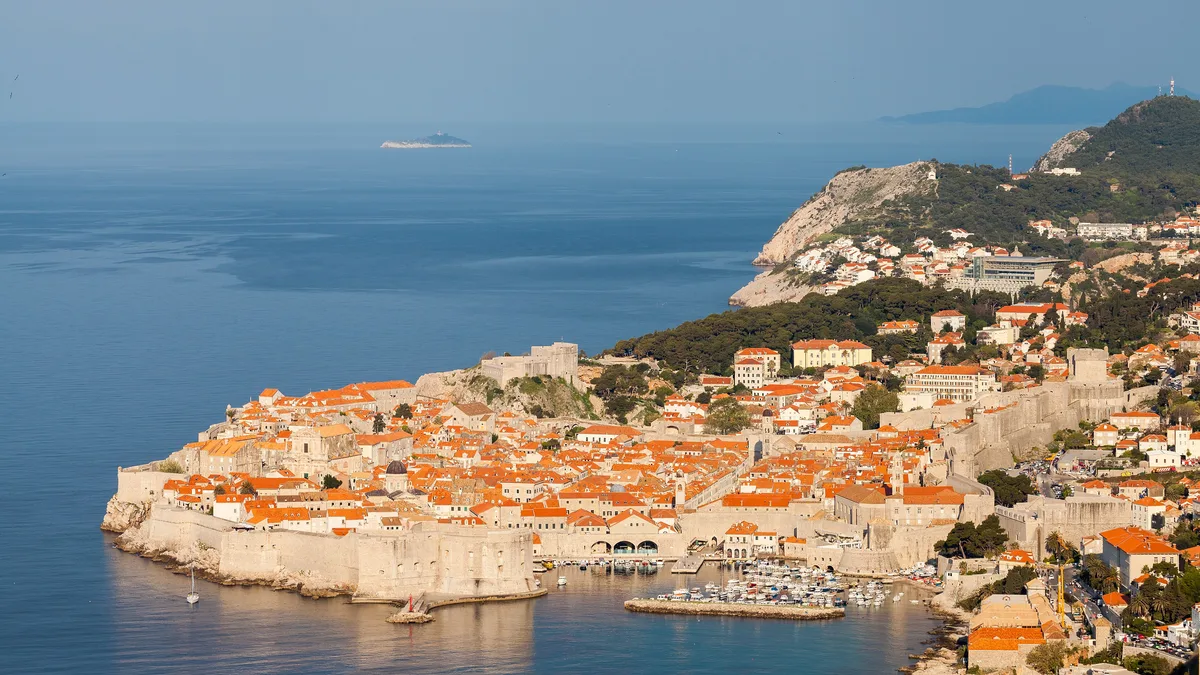
Header photo: Diego Delso, CC BY-SA 3.0, via Wikimedia Commons. All credits: image credits.