Foreign property ownership in Croatia, explained: three groups of buyers, three sets of rules.
// Short answer
Croatia sorts foreign buyers into three groups. EU and EEA citizens buy like Croatians. Swiss individuals buy without consent but show a temporary residence certificate. Everyone else needs reciprocity plus the justice minister's prior consent for each purchase. A 2025 amendment will move OECD nationals into the first group, but only once Croatia joins the OECD.
Rules and rates as of September 2026. The consent rule for non-EU buyers ends for OECD nationals the day Croatia joins the OECD, which had not happened when this was written, and municipalities set their own property tax, so check the dated items again before you sign. Every figure links to its source.
On this page
Do EU citizens need permission to buy property in Croatia?
No. Citizens and legal persons of EU member states, Iceland, Liechtenstein and Norway acquire real estate on the same conditions as Croatian nationals and do not need the minister's consent. Agricultural land is covered by a separate law.
Since 1 July 2023, a legal publisher reports, EU citizens and companies buy agricultural land on the same terms as Croatians, with the state keeping a right of first purchase on larger parcels.
Sources
What do Swiss buyers need in Croatia?
Swiss individuals buy without the minister's consent, but must supply a certificate of temporary residence in Croatia with the land registry documents. Swiss companies need consent in some cases, such as indirect acquisitions or capital investments.
Source: the Ministry of Justice and the gov.hr guide for foreign nationals.
How does a non-EU buyer get the minister's consent in Croatia?
By applying to the Ministry of Justice in Zagreb with the sale contract, a land registry extract showing the seller's ownership, a planning certificate on the property's status, proof of citizenship, a power of attorney if represented, and the name of a representative in Croatia if applying from abroad.
Consent is decided in an administrative procedure and relates to one specific transaction. The ministry states that an acquisition without it is void. No official processing time was found, so build the wait into your contract dates.
Sources
What is Croatia's reciprocity table?
An undated Ministry of Justice table showing, country by country, whether reciprocity exists. It shows the UK, Japan and Russia met; the US assessed state by state; New Zealand only below NZD 10 million or 5 hectares; Australia paused for existing dwellings until 31 March 2027; and Canada, the UAE, Thailand and Singapore under verification.
For the US, the table lists some states where reciprocity is met only for people with permanent or long-term residence. For China it is partial, covering commercial property for residents of a year or more. Link to the live page rather than relying on any copy, including this one.
What does the 2025 OECD amendment change?
Article 358.a, adopted on 14 March 2025 (NN 52/2025), puts citizens and companies of OECD member states, and of states adhering to the OECD capital-movement codes, on the same footing as Croatians: no reciprocity test and no consent. It enters into force on the day Croatia joins the OECD.
As of 22 September 2026 no source showed Croatia had joined; the government describes itself as in the final phase. Agricultural land stays excluded under the amendment.
Can non-EU buyers buy agricultural land in Croatia?
No. A legal publisher reports that the Agricultural Land Act does not let third-country nationals buy agricultural land even with ministerial consent; inheritance under reciprocity is the only route. Agricultural land sits outside the minister's consent procedure because a special law governs it.
Some agencies present a Croatian-registered company as a route for buyers whose country lacks reciprocity. How that applies to agricultural land was not verified, so take legal advice before relying on it.
Sources
// Buying in Croatia?
Every listing in your budget, ranked on net yield, appreciation and resale. Any market with public listing data; book a free call first so I can confirm your city has the data.
See the $499 report, page by pageFrequently Asked Questions
Is the minister's consent needed for every purchase in Croatia?
Can Australians buy property in Croatia?
Can Canadians buy property in Croatia?
Has Croatia joined the OECD?
How long does Croatian ministry consent take?
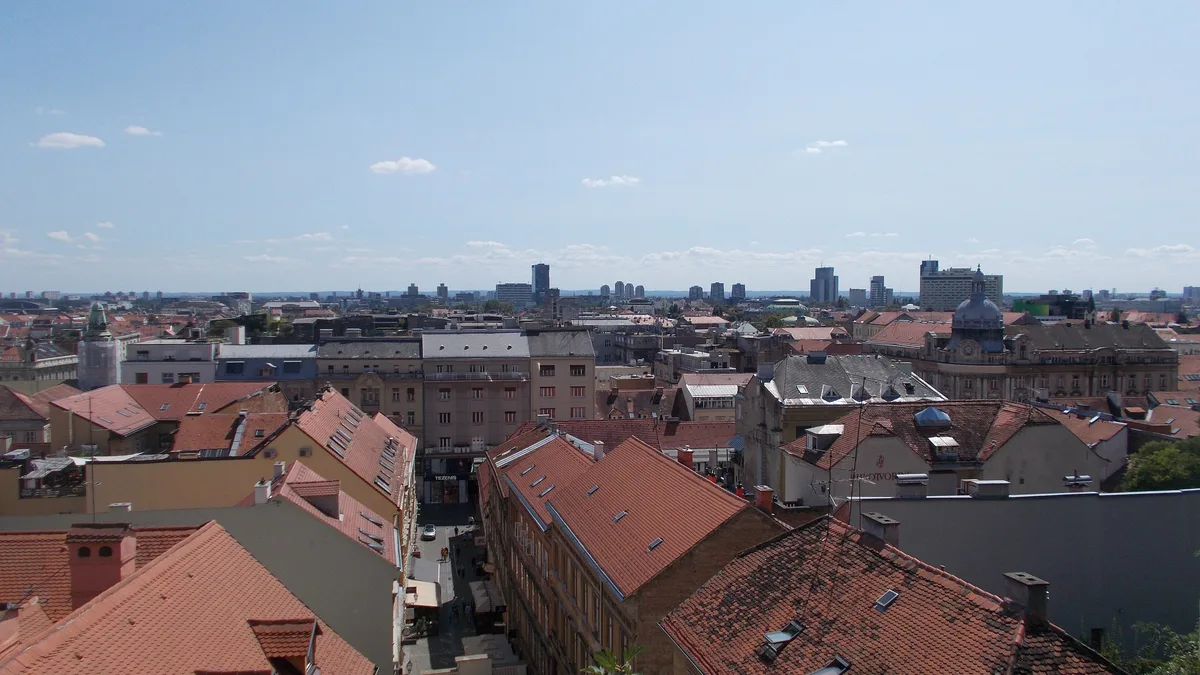
Header photo: Vojtěch Dočkal, CC BY-SA 4.0, via Wikimedia Commons. All credits: image credits.