Inheritance and probate in Costa Rica: what happens to a foreign owner's property.

// Short answer
Costa Rica has no inheritance tax as such: inheritances are not taxable income for an heir domiciled in Costa Rica. For an heir who lives abroad, the income tax law read literally charges 30%, and no official ruling on inherited property was found, so confirm it with the notary. Costa Rican law governs property in Costa Rica even when a foreigner owns it. The heir's adjudication usually pays the 1.5% transfer tax, and a notary can handle the succession if the heirs agree and no minors are involved.
Rules and rates as of October 2026. This explains the rules and where they are written; it is not legal advice on an estate.
On this page
Which law decides who inherits property in Costa Rica?
Costa Rican law governs property located in Costa Rica, even when it belongs to a foreigner and passes as part of an inheritance (Civil Code article 24). A will follows the law of the country where the testator was domiciled (article 27), but where Costa Rican law requires a public deed, a private document is not valid (article 28).
A testator may leave their property freely, as long as maintenance is secured for minor or disabled children, parents and a spouse who need it (article 595); otherwise the heir takes only what is left after that. Without a will, the first in line are the children, the parents and the spouse together, in equal individual shares (articles 572 and 573).
Is there inheritance tax in Costa Rica?
Not as such. For an heir domiciled in Costa Rica, inheritances are not taxable income (Income Tax Law article 6(e)). For an heir who lives abroad, the law lists inheritances as Costa Rican-source income and charges 30% on remittances of such income (articles 53, 54 and 59), and no official ruling on inherited property was found. Confirm with the notary before the estate is settled.
The transfer tax is a different matter. Hereditary adjudications are exempt only up to CRC 600,000 for a house and lot or CRC 400,000 for other property, the thresholds as printed in the 1987 law (article 8 provides for updating them every two years), so in practice the heir's adjudication of a property pays 1.5% on the excess. Assigning inheritance rights is not a transfer under the law at all (article 2). Taxes as owner: Costa Rica property tax for foreigners.
Sources
Costa Rica estate pack
Own property in Costa Rica? What your heirs will face, worked out
No inheritance tax, a 1.5% transfer tax on the heir's adjudication, and an open 30% question for heirs who live abroad. One house worked, beach concessions, notary or court, and a 7-point checklist to take to a notary.
How does a Costa Rican succession work?
A notary may handle testate and intestate successions when the heirs choose it and no minors or incapacitated persons are involved. If any party objects, or a dispute arises, the file goes to court.
For property in the maritime-terrestrial zone, a concessionaire's rights can be adjudicated to heirs or presumed heirs who are relatives (article 49), so a friend named in a will may not qualify; with no heirs, the concession reverts to the municipality. A foreign heir should check the residence condition for concessions with the municipality first: the maritime zone explained. No official source gives a typical length.
Sources
Frequently Asked Questions
Is there inheritance tax in Costa Rica?
Which law applies to a foreigner's property in Costa Rica on death?
Can a notary handle probate in Costa Rica?
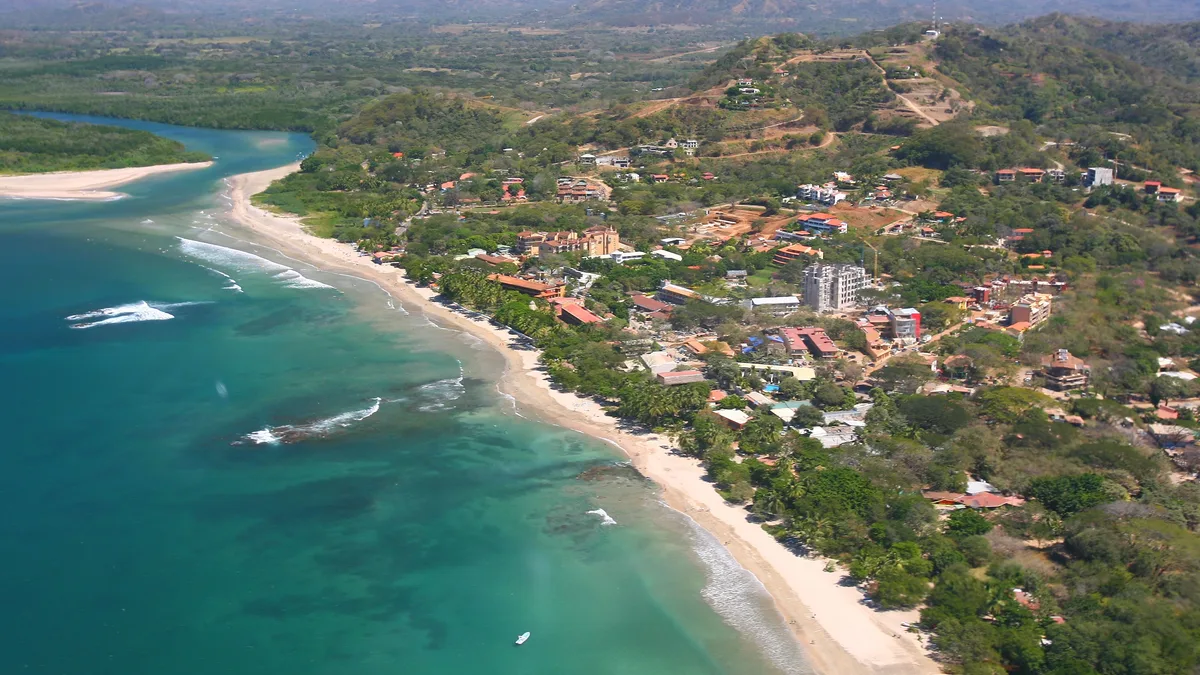
Header photo: Tamarindowiki, CC BY-SA 3.0, via Wikimedia Commons. All credits: image credits.