Can Taiwanese buy property in the Philippines? Yes, a condominium unit. The land under it is closed.
// Short answer
Yes, a condominium unit. Under Republic Act 4726, the Condominium Act, a foreign national can own a unit outright, in their own name, evidenced by a Condominium Certificate of Title, provided foreign ownership across the project stays within 40 percent. Land is reserved for Filipino citizens by the 1987 Constitution, and no company structure changes that for a foreign individual. Unlike Thailand and Malaysia, no published figure counts Taiwanese buyers here.
Rules and figures as of September 2026. Destination rules come from each market's own statute and from this site's sourced cluster pages. The Malaysian buyer figures are the Tourism Minister's parliamentary figures on the Malaysia My Second Home programme, as reported by The Star and by the programme's own published summaries. The Taiwan side is stated as published by the foreign exchange declaration regulations on the Ministry of Justice law database and by the Ministry of Finance and the National Taxation Bureau of Taipei. This is a description of published rules, not legal, tax or foreign exchange advice, and it does not describe any way around any rule. Confirm your own position with your own bank and a qualified adviser before committing to anything. Every figure links to its source.
On this page
- Can a Taiwanese citizen buy property in the Philippines?
- How does the 40 percent condominium cap work?
- Is there data on Taiwanese buyers in the Philippines?
- Can a company hold the land instead?
- What does a Taiwanese owner pay in the Philippines, and does buying give a visa?
- What do Taiwan's rules ask of a buyer sending money to the Philippines?
Can a Taiwanese citizen buy property in the Philippines?
Yes, a condominium unit. The Condominium Act lets a foreign national hold a unit in their own name with a Condominium Certificate of Title. Article XII of the 1987 Constitution reserves land for Filipino citizens and for corporations at least 60 percent Filipino owned, so the ground is closed.
The line runs between the unit and the land, and it is absolute for a foreign individual. A condominium unit with its own certificate is ordinary ownership, held personally, transferable and inheritable. A house on a lot is not available, whatever the marketing says about long leases or holding companies.
The regime in full: Philippines condominium foreign ownership, explained, and the two title documents: TCT and CCT, explained.
Sources
How does the 40 percent condominium cap work?
Foreign ownership across the project cannot exceed 40 percent of the total floor area, and the condominium corporation must stay at least 60 percent Filipino. It is measured project wide rather than unit by unit, and it is enforced at registration rather than at deposit.
Enforcement at registration is the part that costs money. A deposit can be taken on a unit in a project that is already at its ceiling, and the problem surfaces when the certificate is meant to issue. Ask the developer or the condominium corporation, in writing and dated, what the current foreign percentage is before anything moves.
The document trail behind that answer: the master deed, explained and Philippines condominium due diligence.
Sources
Is there data on Taiwanese buyers in the Philippines?
No. The research behind this site found no Philippine buyer count by nationality in the published market reports or in the press, for Taiwanese buyers or for most other nationalities. There is no Philippine equivalent of REIC's transfer table, so this page states no market share.
That absence is the honest answer rather than a gap to be filled with an estimate. Where a destination publishes nothing, a page that implies a Taiwanese market in the Philippines would be manufacturing one.
The two destinations on this site where Taiwanese buying is actually measured are Thailand, where REIC counted 1,036 units transferred to Taiwanese buyers in 2025, and Malaysia, where 91 of 744 completed purchases under the Malaysia My Second Home programme to 31 December 2025 were by Taiwanese participants. Those are the pages with evidence behind them: Taiwanese buyers in Thailand and Taiwanese buyers in Malaysia.
Sources
Can a company hold the land instead?
Not for a foreign individual. The constitutional bar is total, and a corporation holding land must be at least 60 percent Filipino owned in substance. Arrangements that dress a foreign buyer as a minority shareholder while giving them control run into the Anti-Dummy Law, which carries criminal consequences.
This site states that rule and stops there. It does not describe, rank or evaluate any structure intended to sit around it, and a page that did would be doing a buyer harm rather than a service.
What the statute actually prohibits, and what the case law treats as control: the Anti-Dummy Law, explained.
Sources
What does a Taiwanese owner pay in the Philippines, and does buying give a visa?
Buying gives no visa or residency. On tax, expect roughly 2.5 to 4 percent in transfer costs at purchase, annual real property tax on the assessed value rather than the market value, a flat 25 percent of gross rent for the typical non-resident owner, and 6 percent on the full price at sale.
The 6 percent on exit is charged on the higher of the sale price and the fair market value, not on the gain, and the electronic Certificate Authorizing Registration is the gate that the transfer passes through afterwards. Budget it as a fixed percentage of the exit rather than as a tax on profit.
The full stack: Philippines property tax for foreigners, the condominium fee stack and selling a Philippine condominium as a foreigner.
Sources
What do Taiwan's rules ask of a buyer sending money to the Philippines?
A declaration on foreign exchange transactions of NT$500,000 or more, a bank check of supporting documents on a single individual remittance above the equivalent of USD 500,000, and central bank approval where an individual's annual aggregate of foreign exchange purchased or sold passes the equivalent of USD 5 million.
Those thresholds come from the Regulations Governing the Declaration of Foreign Exchange Receipts and Disbursements or Transactions, amended 26 December 2022 and in force from 1 January 2023, and they are stated here as published. Nothing on this site describes or evaluates any way around them.
At the Philippine end, registering the inbound investment with the central bank is what supports a later repatriation of capital and profits through the banking system, and it is a step to settle before the money moves rather than at the point of sale. The receiving side: transferring money to the Philippines for a property. The Taiwan side, with the tax thresholds: sending money from Taiwan for a property purchase.
Sources
// Buying abroad?
Every listing in your budget, ranked on net yield, appreciation and resale. Any market with public listing data; book a free call first so I can confirm your city has the data.
See the $499 report, page by pageFrequently Asked Questions
Can a Taiwanese citizen own a condominium in the Philippines?
Can a Taiwanese citizen buy land or a house and lot in the Philippines?
How many Taiwanese buyers are there in the Philippines?
How is the 40 percent condominium cap checked?
What does a foreign owner pay when selling a Philippine condominium?
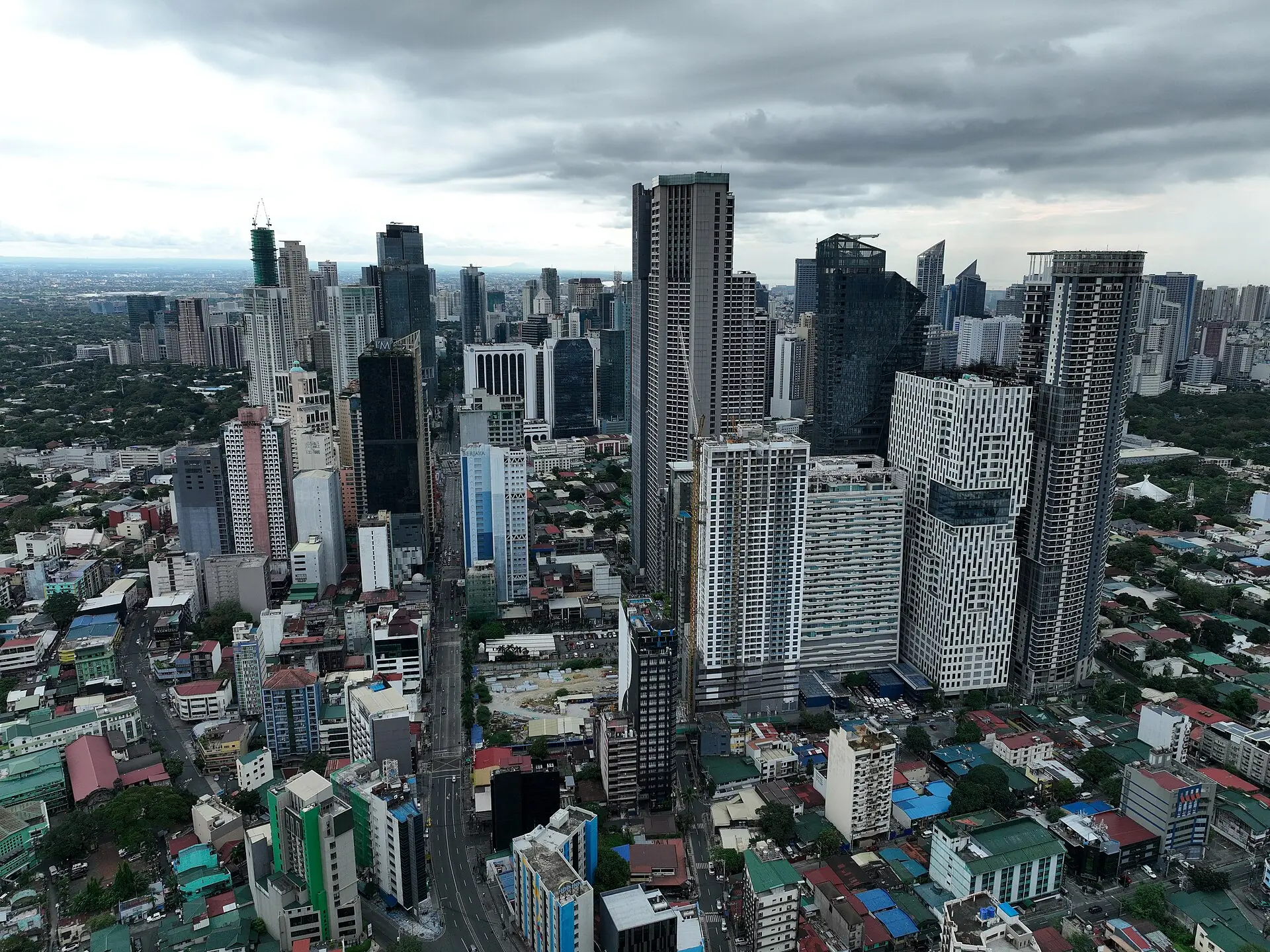
Header photo: Patrickroque01, CC BY-SA 4.0, via Wikimedia Commons. All credits: image credits.