Can Chinese citizens buy property in Japan? Yes, freehold. The 2026 change is paperwork, not permission.

// Short answer
Yes. As of September 2026 no Japanese law restricts foreigners from buying land or buildings, and a foreign buyer takes the same freehold ownership as a Japanese one. What changed in 2026 is paperwork: almost every non-resident purchase now needs a report to the Ministry of Finance within 20 days, and from 5 October 2026 every new owner declares a nationality. The nationality specific work for a mainland buyer is the money leg out of China.
Destination rules as of September 2026, from each market's own fact sheet in research/new-markets and the sourced cluster pages on this site. China's foreign exchange rules are stated as published by SAFE, the State Administration of Foreign Exchange. Nothing here is foreign exchange, tax or legal advice, and a mainland buyer should take professional advice on lawful routes before committing to a purchase abroad. Every figure links to its source.
On this page
- Can Chinese citizens buy property in Japan?
- What must a non-resident Chinese buyer report after buying in Japan?
- What do China's foreign exchange rules say about buying property abroad?
- How many Japanese properties do Chinese buyers account for?
- What does a Chinese owner pay in Japan, and does buying give a visa?
Can Chinese citizens buy property in Japan?
Yes. As of September 2026 no law restricts foreign individuals or companies from buying land or buildings in Japan, and foreigners buy on the same terms as Japanese nationals, freehold land included. The rules that do exist are reporting duties and advance notice near designated sites, and none of them is based on nationality.
The honest caveat is timing. A government expert panel's proposals on foreign real estate purchases were postponed to autumn 2026, and a bill to tighten the law on land near important facilities was being prepared for the autumn Diet session. No nationality based restriction was in force when this page was written, and if that changes it will change for all foreign buyers.
What a foreign owner holds and every rule that touches it: foreign property ownership in Japan, explained.
Sources
What must a non-resident Chinese buyer report after buying in Japan?
A non-resident who acquires Japanese real property files a report, Form No. 22, with the Minister of Finance through the Bank of Japan within 20 days of acquisition, in Japanese. Since 1 April 2026 this covers almost every purchase, including your own home, a second home and a purchase from another non-resident.
- No threshold. There is no minimum amount or area. A zero yen acquisition and an inheritance are both reportable.
- Who files. The buyer, or an agent who lives in Japan.
- Who counts as non-resident. A foreign national is presumed to be one unless they work at an office in Japan or have been in Japan for six months or more.
- Penalty. Up to six months' imprisonment or a fine of up to JPY 500,000 for not filing or filing falsely. A late report should still be filed, with a short explanation.
From 5 October 2026 every new registered owner, Japanese or foreign, also declares a nationality to the Legal Affairs Bureau. It is not printed on the public register. And an owner with no address in Japan must name a contact person in Japan on the registration, with their consent and seal certificate, since 1 April 2024.
Sources
What do China's foreign exchange rules say about buying property abroad?
SAFE, the State Administration of Foreign Exchange, publishes an individual facility with an annual total equivalent to USD 50,000 per person. Overseas property purchase is not among the uses the individual foreign exchange purchase application form permits. Take professional advice on lawful routes before committing to a purchase abroad.
Article 2 of the Detailed Rules for the Measures for the Administration of Individual Foreign Exchange gives the annual total amount as the equivalent of 50,000 dollars for each person every year. SAFE's own explanation of those rules separates current account items, which run under the annual amount, from capital account items, which carry their own approval and registration steps.
Since 2017 an individual buying foreign exchange completes an application form stating the purpose, and As SAFE's own form states, the form does not permit the foreign exchange to be used for property, securities or dividend paying insurance products abroad.
Japan is the market where this bites hardest on timing, because Japanese bank mortgages are in practice for people who live in Japan. A published review of foreigner friendly lenders found they all required the applicant to live there, that review dates from 2018, and no current non-resident lending terms could be confirmed for this page. Plan on paying cash, which makes the funding question the first question rather than the last.
This page states the published rules and does not set out ways around them.
Sources
- State Administration of Foreign Exchange: press conference on the Detailed Rules for the Measures for the Administration of Individual Foreign Exchange (5 January 2007)
- Detailed Rules for Implementing the Measures for the Administration on Individual Foreign Exchange, Art. 2 (English text)
- SAFE: Application Form for Individual Purchase of Foreign Exchange (form text, safe.gov.cn)
- realestate.co.jp: which Japanese banks lend to foreigners (2018)
How many Japanese properties do Chinese buyers account for?
There is one published official figure, and it covers a narrow slice. In a Cabinet Office survey of transactions near designated important facilities in the year to March 2025, foreign individuals and entities accounted for 3,498 of 113,827 transactions, and buyers from China including Hong Kong accounted for 1,674 of those, or 47.5 percent.
Taiwan followed at 11.7 percent, South Korea at 10.7 percent and the United States at 6.0 percent. Note what the survey does and does not measure: it is transactions within about one kilometre of 583 monitored and special monitored sites, not the Japanese housing market as a whole, and foreign buyers were 3.1 percent of that narrow set.
The practical point for a buyer is the one in the Act rather than in the headline. Areas near important facilities can be designated monitored areas, and in special monitored areas the parties to a transfer of 200 square metres or more must notify the government in advance. That applies to Japanese and foreign buyers alike. Ask the broker whether the property sits in a monitored area before you sign.
Sources
What does a Chinese owner pay in Japan, and does buying give a visa?
Buying gives no visa or residency in Japan. On purchase, acquisition tax at 3 percent and registration tax at 1.5 percent on land, both on the assessed value rather than the price. Each year, fixed asset tax at 1.4 percent plus up to 0.3 percent city planning tax. On rent, usually 20.42 percent withheld.
Rent paid to a non-resident is Japan source income, so the payer withholds 20.42 percent of the gross, except where an individual tenant rents the home to live in. Net rental income is then taxed at progressive national rates with a 2.1 percent surtax, through a return filed between 16 February and 15 March, and a non-resident must appoint a tax representative in Japan.
On the way out, the gain is taxed at 15 percent if the property was held more than five years as of 1 January of the year of sale and 30 percent if not, each plus the surtax, and the buyer normally withholds 10.21 percent of the gross price from a non-resident seller.
The full stack: Japan property tax for foreigners and Japan property buying costs.
Sources
// Buying abroad from China?
Every listing in your budget, ranked on net yield, appreciation and resale. Any market with public listing data; book a free call first so I can confirm your city has the data.
See the $499 report, page by pageFrequently Asked Questions
Can a Chinese citizen own land in Japan?
Do I have to live in Japan to buy there?
What is the nationality declaration from October 2026?
Can a non-resident get a Japanese mortgage?
Is buying property abroad covered by China's individual foreign exchange facility?
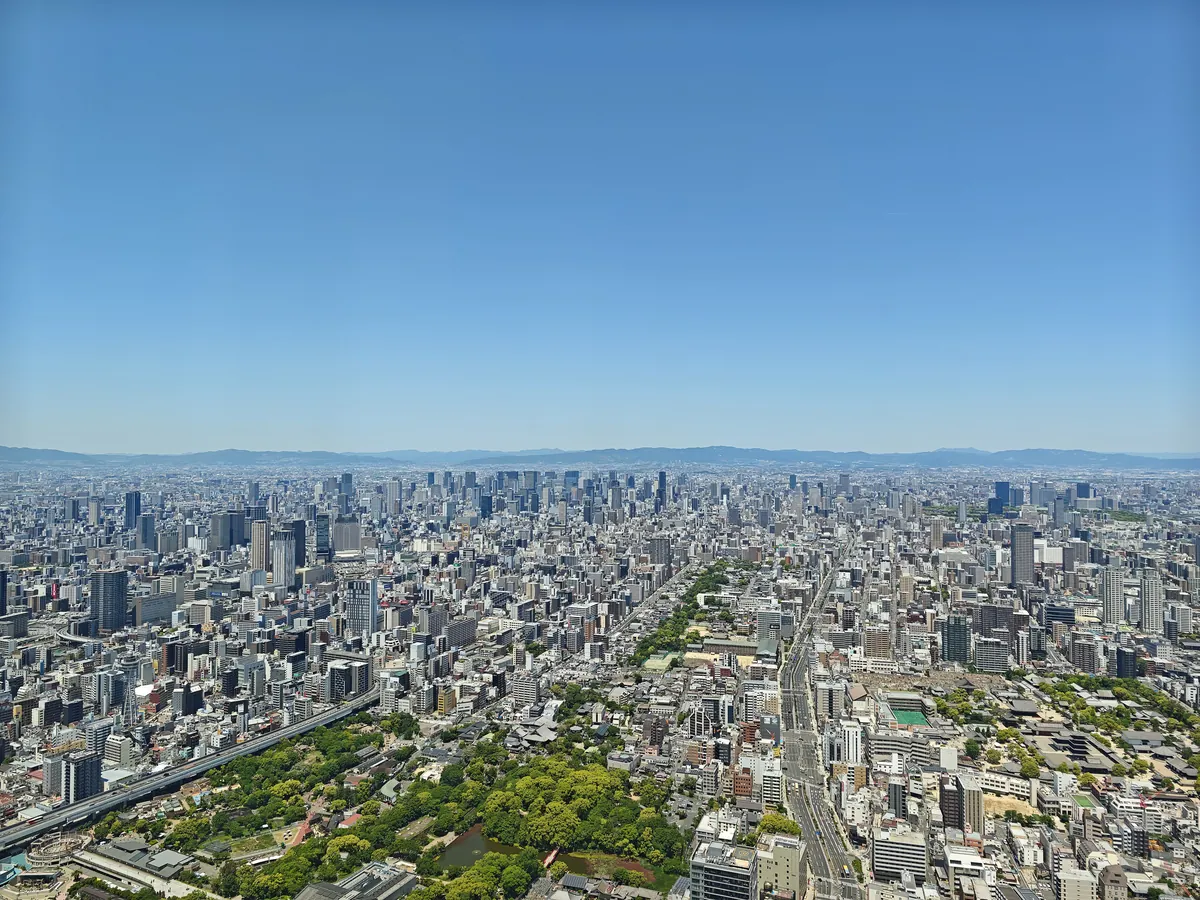
Header photo: Loggieloggie, CC0, via Wikimedia Commons. All credits: image credits.