Buying property in Italy as a foreigner: yes, full ownership. Some non-EU buyers need reciprocity first.

// Short answer
Yes. Italy has no general ban on foreigners owning land or buildings, and the owner takes full ownership (proprietà). EU and EEA citizens, and non-EU citizens with certain Italian residence permits, buy on the same terms as Italians. Other non-EU buyers depend on reciprocity, which the notary checks. You need a codice fiscale, and a notary draws up the deed.
Rules and rates as of September 2026. IMU is set by each comune and income tax articles are renumbered from 1 January 2027, so check the dated items again before you sign. Every figure links to its source.
On this page
- Can foreigners buy property in Italy?
- What is Italy's reciprocity rule for foreign buyers?
- How does buying property in Italy work, step by step?
- What does it cost to buy property in Italy?
- What taxes does a foreign owner pay in Italy each year?
- Does buying property in Italy give residency?
- Can a foreigner get a mortgage in Italy?
- What happens when a foreigner sells property in Italy?
Can foreigners buy property in Italy?
Yes. Italian law has no general ban on foreigners owning land or buildings. EU and EEA citizens, San Marino citizens, and non-EU citizens holding certain Italian residence permits buy on the same terms as Italians. Other non-EU buyers can buy where the reciprocity condition is met, which the notary verifies.
A tourist visa, a transit visa, or a residence permit from another Schengen state does not exempt a buyer from the check. Since Brexit, UK citizens are non-EU for this purpose. Detail: foreign ownership in Italy, explained.
What is Italy's reciprocity rule for foreign buyers?
A non-EU foreigner without a qualifying Italian residence permit can buy only to the extent an Italian could buy in that foreigner's country, or where a bilateral investment treaty with Italy is in force. The notary drawing up the deed carries the duty to verify it.
The rule comes from Art. 16 of the preliminary provisions to the Civil Code: a foreigner enjoys a citizen's civil rights on condition of reciprocity, meaning only to the extent an Italian could do the same act in the foreigner's country. No separate check is needed where a bilateral investment treaty between Italy and the buyer's country is in force. The Foreign Ministry publishes country sheets and gives notaries data on request, but notes the sheets are indicative only. This page lists no country outcomes: ask your notary to confirm your nationality before you sign a preliminary contract.
Sources
How does buying property in Italy work, step by step?
Get a codice fiscale, sign and register a preliminary contract (compromesso), then sign the final deed (rogito) before a notary. The notary checks the cadastral and register records, collects and pays the purchase taxes, and registers the deed.
- Codice fiscale: the Italian tax code, through an Italian consulate or in Italy.
- Preliminary contract: registered within 30 days of signing. Ownership passes only with the final deed.
- Checks: the visura catastale and the ispezione ipotecaria. See the visura catastale, explained.
- Final deed: signed before a notary, with a sworn statement of how the price was paid and whether an agent was used.
A buyer may also hire their own lawyer. It is optional.
Sources
What does it cost to buy property in Italy?
A resale home from a private seller pays 9% registration tax, minimum EUR 1,000, plus EUR 50 mortgage tax and EUR 50 cadastral tax. A private buyer can ask for the 9% to be charged on the cadastral value instead of the price. A new build from the builder pays 10% VAT plus EUR 200 each in three fixed taxes.
The 2% first-home rate needs residence in the comune, or a move there within 18 months. Full breakdown: Italy property buying costs.
What taxes does a foreign owner pay in Italy each year?
IMU, the municipal property tax, on any home that is not the owner's main residence. The base rate for second homes is 0.86%, and each comune may cut it to 0% or raise it to 1.06%, or up to 1.14% in some. It is charged on the cadastral value, not the market price.
Rent is taxed in Italy too. Detail: Italy property tax for foreigners.
Does buying property in Italy give residency?
No. Italy has no real-estate golden visa. The Investor Visa needs EUR 2,000,000 in government bonds, EUR 500,000 in an Italian company or venture fund (EUR 250,000 in an innovative start-up), or a EUR 1,000,000 donation. Buying property is not one of the routes.
Italy's flat tax for new residents and the 7% regime for foreign pensioners are income-tax regimes tied to moving tax residence. They are not property schemes.
Sources
Can a foreigner get a mortgage in Italy?
Non-resident lending exists but no official source on its terms was found. Secondary sources report lower loan-to-value ratios for non-residents than for residents. Treat it as bank-by-bank, and plan for a large deposit or cash until a lender confirms terms.
Any price paid must go through a bank or payment institution: cash payments between different persons are prohibited at EUR 5,000 or more.
What happens when a foreigner sells property in Italy?
A gain is taxable only if the property was bought within 5 years of the sale, with exceptions such as a main residence and inherited property. The seller can ask the notary to apply a 26% substitute tax on the gain. After 5 years there is no Italian tax on the gain.
A separate 10-year rule applies where Superbonus works ended within 10 years of the sale. Step by step: selling property in Italy as a foreigner.
Sources
// Buying in Italy?
Every listing in your budget, ranked on net yield, appreciation and resale. Any market with public listing data; book a free call first so I can confirm your city has the data.
See the $499 report, page by pageFrequently Asked Questions
Can foreigners buy property in Italy?
Do I need a codice fiscale to buy in Italy?
Can I get an Italian golden visa by buying property?
Is a notary required to buy property in Italy?
Do I have to live in Italy to own property there?
Can a UK citizen buy property in Italy?
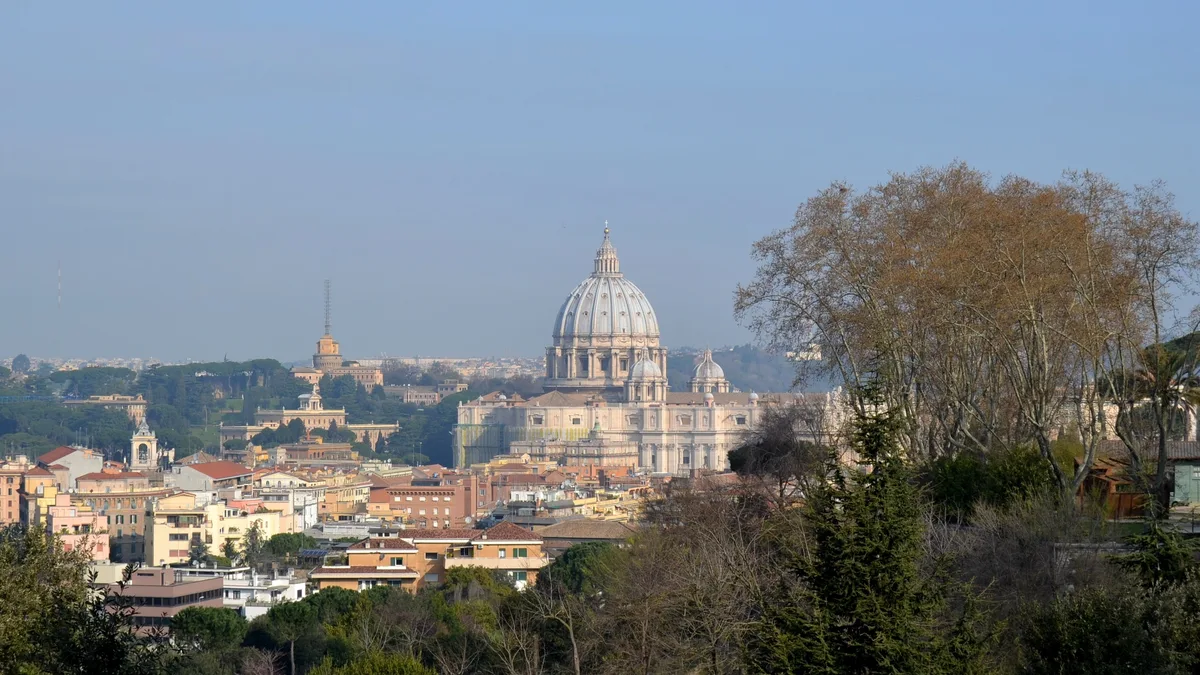
Header photo: Amaunet, CC BY-SA 3.0, via Wikimedia Commons. All credits: image credits.