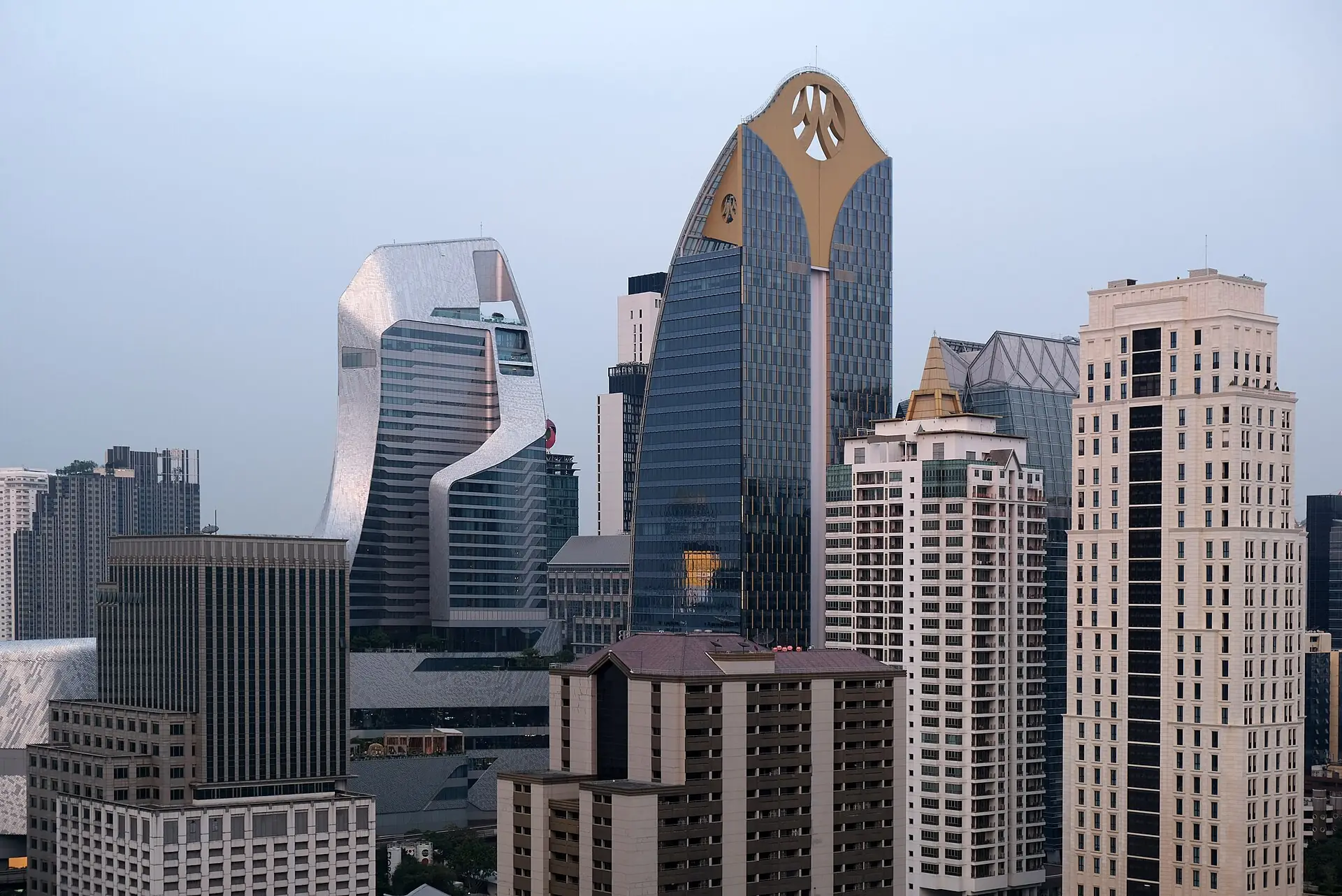
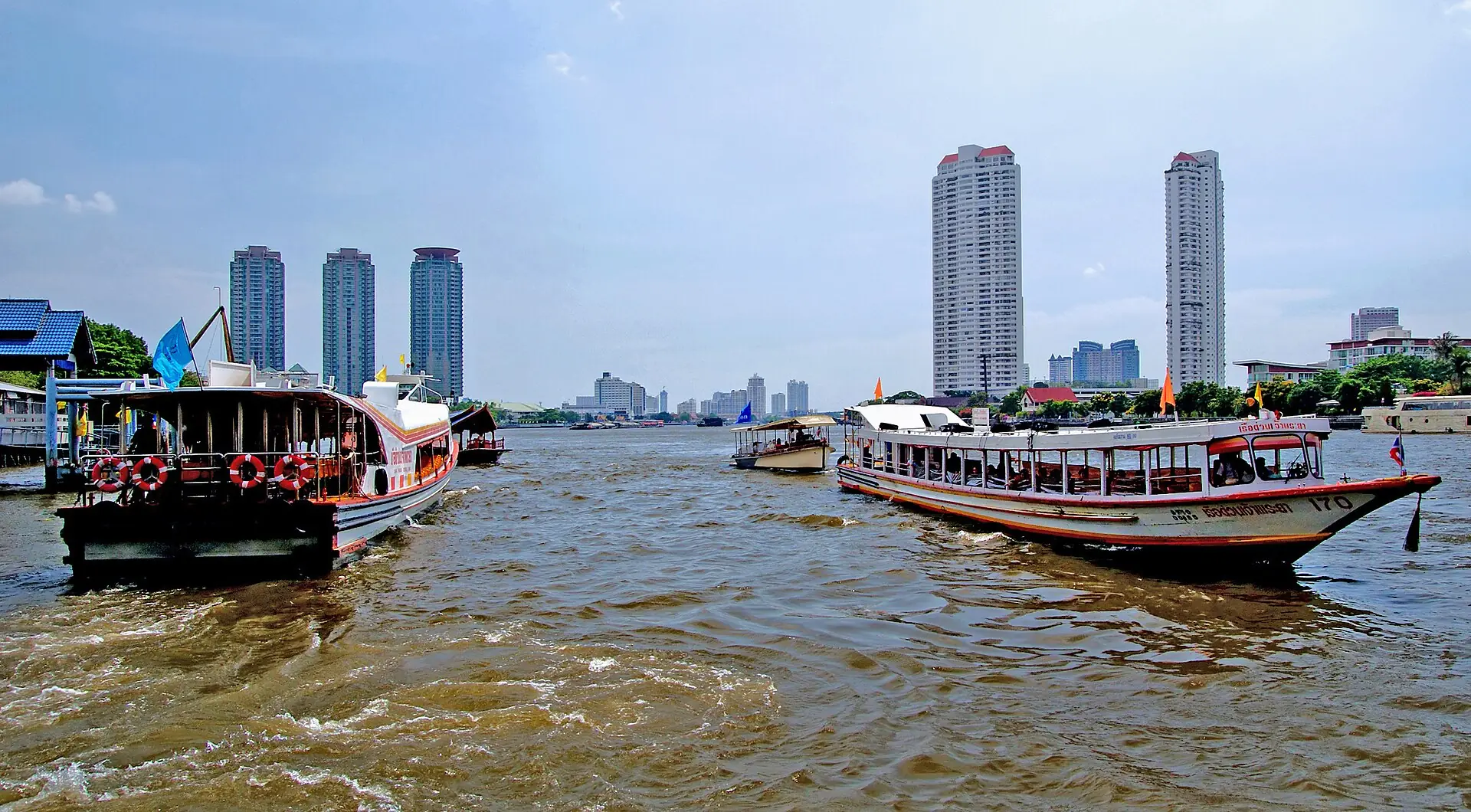
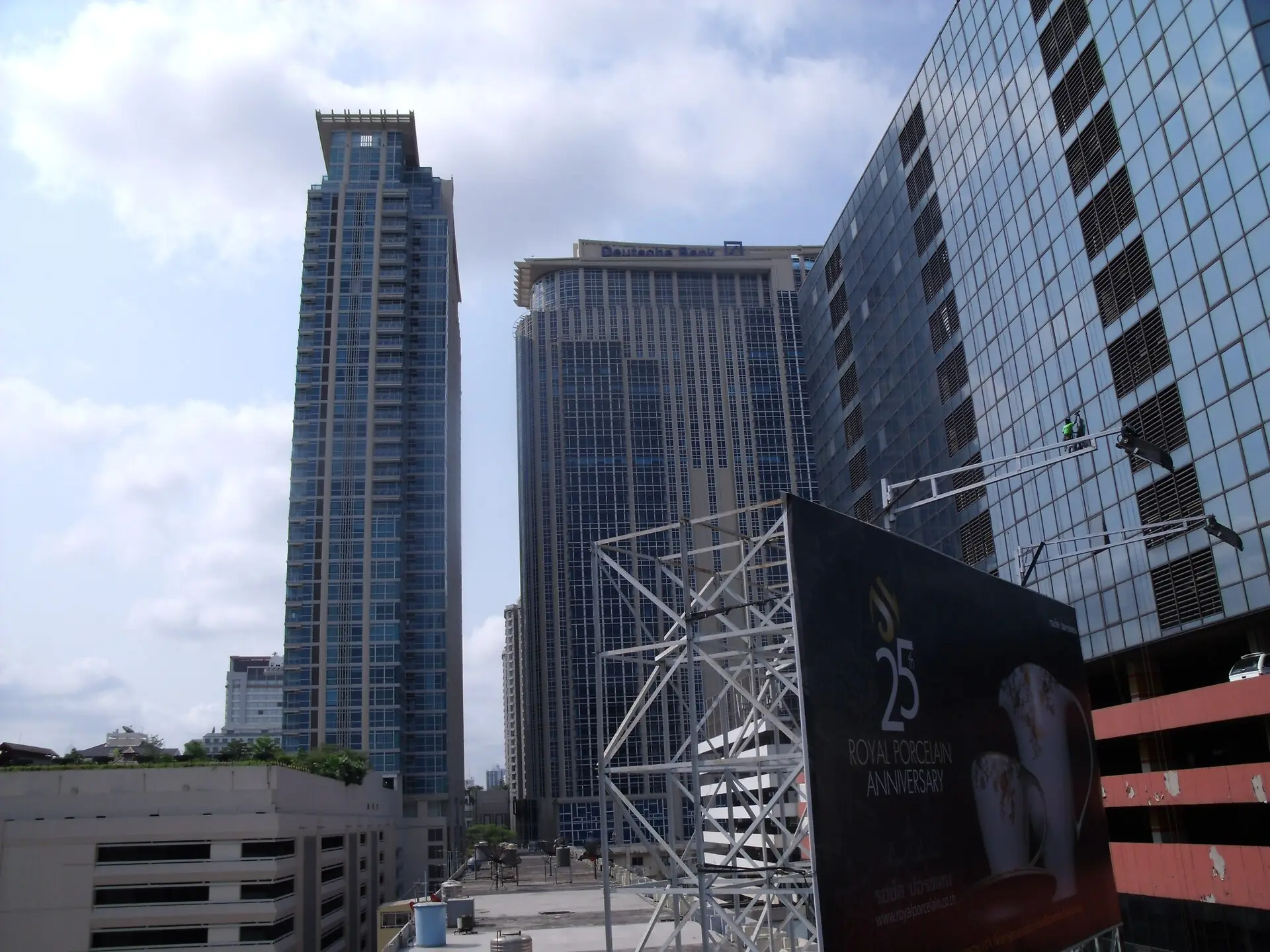
89 named condo buildings. 907 rent-validated units. Six Bangkok catchments, one standard applied to every row. The ranking is the conclusion. The file underneath it is the product.
// The problem
Most foreign buyers choose a Bangkok building the same way. A photograph. A floor plan. A number quoted in a brochure. Then they find out afterwards what the unit actually rents for, and what is left once vacancy, management, CAM and tax come out of it.
A brochure was never built to answer that question. Neither was a listing page. They rank on what is easiest to show, which is not the same thing as what survives the math. That is how property is marketed everywhere — it is not a Bangkok problem and it is not anyone local’s fault.
The fix is boring. Apply one standard to every building, then publish what survives it and what did not.
// What this is
89
Named buildings
907
Rent-validated units
6
Bangkok catchments
88
Of 89 carry a quota marker
Built from 907 rent-validated units across 89 Bangkok buildings, cross-checked against 5,644 separate rental listings. A building enters the file at three or more validated units, then is cut again on rent confidence. Figures are the 1 June 2026 pull.
// The free sample
These are two of the 89 rows, exactly as delivered. Nothing is summarised and nothing is rounded. What is blocked out is what you are paying for — and the blocks are the same shape as the work.
// Row A
Ratchada / Rama 9
// Row B
On Nut / Bang Chak
Two different buildings, in two different catchments. Between them you can see every column the file carries and the standard each one is held to — without either row handing over the answer it is being sold for. In the file, all twelve are filled on all 89 buildings.
1 June 2026 pull
// What is in the file
// The credibility section
A yield is only as good as the rent under it, and a rent taken from one listing is an asking price, not evidence.
Rent here is a cross-source consensus. Asking rents are collected per platform, filtered, then combined per building. A building needs agreement from at least two independent sources to publish. Where two sources disagree by more than 15%, the lower figure is taken, not the average.
Single-source rows are excluded entirely. That is the difference between this file and a portal export: a portal shows you what one advertiser typed. This shows you what survived being checked against somebody else.
Every building carries its confidence tier in the file, so you can see which rows are multi-verified and which are mildly divergent. Nothing is presented as more certain than it is.
// What is excluded, and why
Stated here rather than discovered later.
13 buildings met the unit bar and were still dropped.
Nine had rent evidence from a single source. Four carried a rent flag. They are not in the file, because publishing them would mean publishing a number I cannot stand behind.
Two catchments are missing entirely.
Silom / Sathorn and Chatuchak / Lat Phrao produced no bucket that survived rent validation in this pull. They are not in the file. If those two areas are your search, this guide is not for you.
The dataset clips at ฿12,000,000.
This is not a luxury-tier product and does not pretend to be one. Nothing above that ceiling entered the pull.
It is a snapshot, not a feed.
Every figure is the 1 June 2026 pull. Listings turn over. The file tells you how these buildings priced and rented at that date, and makes no claim about any other date.
// Who it is for
// Who it is not for
FAQ
Both, and the file is the point. There is a ranking, but the ranking is only the conclusion. What you are paying for is the 89 buildings underneath it with every column filled, so you can sort it yourself and disagree with me.
No. It is the 1 June 2026 pull, and it is labelled that way on every page of the PDF. If you want a file collected the week you order, that is the Custom Report, not this.
No. No commission, no introductions, no referral fees, no listings. I am paid for the analysis and nothing else, which is why a building can appear in this file with numbers that argue against buying it.
No, and be careful with anyone who says they can from a desk. The file reports an observed marker — that foreign-quota availability was visible for that building at the time of the pull. Actual slot availability changes and must be confirmed with the building’s juristic office at the point of purchase. 88 of the 89 carry the marker.
Different in kind, not in size. This is the city’s building file: 89 buildings, every column filled, and you do the sorting. The Property Review is done-for-you underwriting of one specific unit you are already looking at — a written verdict on that unit, with comparables. Buy this if you are still choosing a building. Buy the Review if you have found one.
The Protocol teaches the method for any city. This applies it to one city and shows the result. If you want to run the screen yourself, buy the Protocol. If you want the answer for Bangkok, buy this.
// What is in the file
All 89 of them, grouped by catchments. If the building you are looking at is not on this list, the file does not cover it and you should know that before you buy, not after.
// The Bangkok Condo Buyer’s Guide
Instant PDF. The 1 June 2026 pull, every column filled, and a written account of what was left out and why.
Get the Guide — $997-day refund, no questions asked · the unit I bought myself, unredacted →
Your $99 is credited in full against the $499 Custom Investment Report if you commission within 30 days.
// What buyers say — about the $20 Protocol, not this guide
“Wasn’t expecting much for the price, but the yield breakdown is surprisingly dense. Worth it just for the data extraction framework alone. Straight to the point, no BS.”
Anonymous · verified buyer · all reviews and the full sales record →
The Bangkok guide is new and has no reviews of its own yet. That one is for the Protocol, and it stays labelled that way until this file earns its own.
The other cities
Brinkman Data Analytics is an independent research service. Not financial, investment, tax, or legal advice. All yield figures are estimates based on historical research data and are not guaranteed. International real estate carries risk of partial or total loss of capital.