Inheritance and probate in Japan: what happens to a foreign owner's property.

// Short answer
In Japan, succession follows the law of the deceased's nationality, so a British or American owner's estate starts from British or US law. A non-resident heir is generally taxed only on property in Japan, after a basic deduction of JPY 30 million plus JPY 6 million per statutory heir. The return is due within ten months, and since April 2024 the heir must register the property within three years.
How this compares with twenty-two other countries, rates and deadlines side by side: inheritance tax on property abroad, compared.
Rules and rates as of October 2026. This explains the rules and where they are written; it is not legal advice on an estate.
On this page
Which country's law decides who inherits Japanese property?
The deceased's national law (Act on General Rules for Application of Laws, Article 36). If that law refers the question back to Japanese law, Japanese law applies (Article 41). Whether a will was validly made follows the testator's national law when it was made.
So the starting point for a foreign owner is their own country's law, including its rules on which law governs land abroad. When Japanese law does apply, the spouse is always an heir, children come first, then parents, then siblings, and the spouse takes a half with children, two-thirds with parents and three-quarters with siblings.
Sources
Is my UK or US will valid in Japan?
In form, yes if it meets any one of: the law of the place where it was made; the testator's nationality, domicile or habitual residence when it was made or at death; or, for real estate, the law where the property is (Act on the Law Applicable to the Form of Wills, Article 2).
Japan joined the 1961 Hague Convention on the form of wills in 1964, and this Act implements it. A will other than a Japanese notarial will must be submitted to the family court for inspection (kennin) without delay; failing to do so carries a fine of up to JPY 50,000.
Sources
How much inheritance tax does a non-resident heir pay in Japan?
An heir living abroad with no address in Japan is generally taxed only on property located in Japan, which includes Japanese real estate. The basic deduction is JPY 30 million plus JPY 6 million per statutory heir, and the rates run from 10% to 55%.
| Each heir's statutory share of the taxable estate | Rate |
|---|---|
| Up to JPY 10 million | 10% |
| To JPY 30 million | 15% |
| To JPY 50 million | 20% |
| To JPY 100 million | 30% |
| To JPY 200 million | 40% |
| To JPY 300 million | 45% |
| To JPY 600 million | 50% |
| Above JPY 600 million | 55% |
Heirs other than a spouse, parent or child pay 20% more. Wider, worldwide liability can apply depending on the heir's nationality and the deceased's residence history. Yearly taxes while you hold the property: Japan property tax for foreigners.
Sources
Japan estate pack
Own property in Japan? What your heirs will face, worked out
One 80,000,000 yen Tokyo condo worked for a spouse, a child and a friend: 0, 4.7M and 5.64M yen. Which law decides, the reserved share, the US treaty, and every deadline from 3 months to 3 years, with a 7-point checklist to take to a lawyer.
What are the deadlines for a Japanese inheritance?
Three months to accept or renounce (the family court can extend it), ten months to file and pay the inheritance tax, and three years to register the property in the heir's name, mandatory since April 2024 with a fine of up to JPY 100,000 for failing without good reason.
When Japanese law applies, heirs other than siblings also have a reserved share (iryubun), claimable within one year of learning of the infringement and ten years of the death. The register the heir is entered in: the tokibo explained. No official source gives a typical total length.
Sources
Frequently Asked Questions
Do foreigners pay inheritance tax in Japan?
Which law applies when a foreigner dies owning property in Japan?
How long do you have to file inheritance tax in Japan?
Do I have to register an inherited property in Japan?
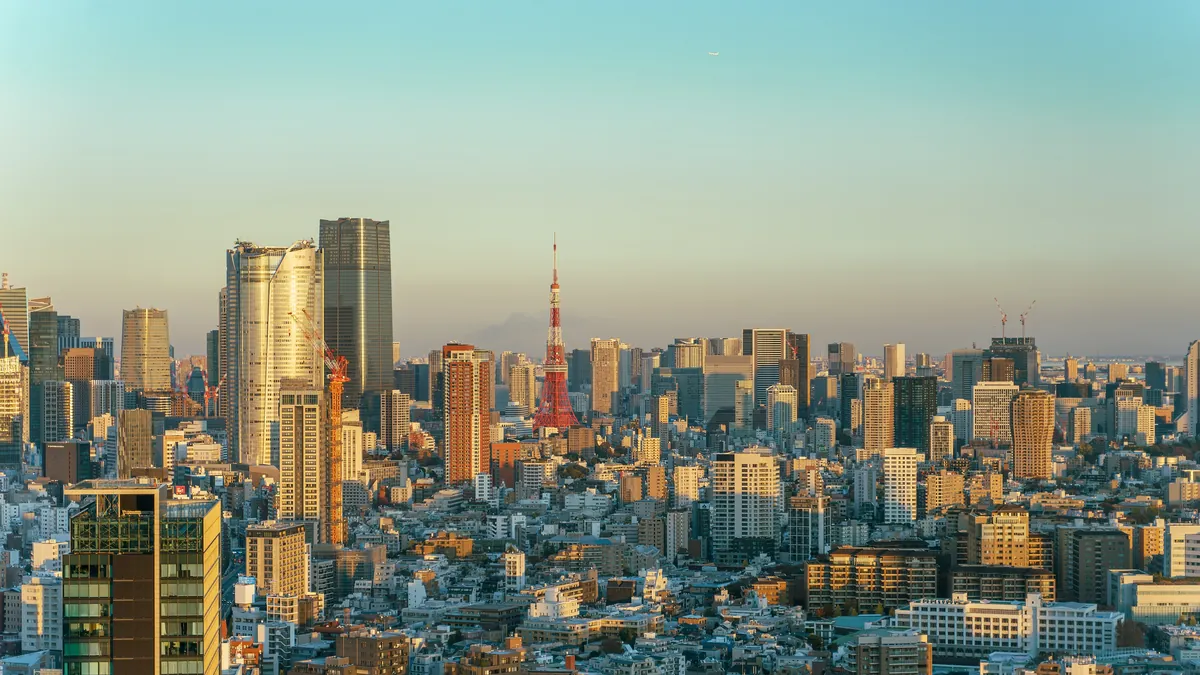
Header photo: David Kernan, CC BY 4.0, via Wikimedia Commons. All credits: image credits.