Inheritance and probate in Germany: what happens to a foreign owner's property.

// Short answer
German property is taxed in Germany even when neither the deceased nor the heir lives there. A spouse has up to EUR 500,000 free and each child up to EUR 400,000, siblings and others EUR 20,000, cut in proportion when neither the deceased nor the heir lives in Germany. One rate then applies to the whole taxable amount: 7% to 30% for close family, 15% to 50% for others. Which law decides the shares follows the EU Succession Regulation, and the land register accepts only a certificate of inheritance, a European Certificate of Succession or a will in a public document, such as a German notarial will.
Rules and rates as of October 2026. This explains the rules and where they are written; it is not legal advice on an estate.
On this page
Which country's law decides who inherits German property?
The EU Succession Regulation: by default the law of the country where the owner last lived, unless the will chooses the law of their nationality. Recording the heir in the land register (Grundbuch) still follows German rules. For an owner who lives outside the EU, that country's own rules can send the German property back to German law (article 34); choosing the law of your nationality in the will avoids that.
A written will is valid in form if it meets the law of the place it was made, the testator's nationality, domicile or habitual residence, or, for property, the law where it is. Germany applies the 1961 Hague Convention on the form of wills for this, in place of the Regulation's own rule.
Sources
Who must inherit under German law?
When German law applies, children, parents and the spouse who are left out of a will can claim a compulsory share (Pflichtteil) worth half of what they would have inherited without one.
It is a money claim against the heirs, not a share of the property itself.
How much inheritance tax does a foreign heir pay in Germany?
Where neither the deceased nor the heir lives in Germany, the tax applies only to German assets, and German property counts. Allowances and rates depend on the heir's class.
| Heir | Allowance | Rate on the whole amount |
|---|---|---|
| Spouse | €500,000 | 7% to 30% (class I) |
| Child, stepchild | €400,000 | 7% to 30% (class I) |
| Sibling, niece, nephew, in-law | €20,000 | 15% to 43% (class II) |
| Anyone else | €20,000 | 30% to 50% (class III) |
The rate is not banded: one rate, set by the size of the taxable amount, applies to all of it (section 19). Where neither the deceased nor the heir lives in Germany, the allowance is cut in proportion to the non-German assets received at the same time or from the same person within ten years (section 16(2)); a non-resident heir of an owner who lived in Germany keeps the full allowance. A German national stays fully liable for five years after moving abroad. Yearly taxes as owner: Germany property tax for foreigners.
Sources
Germany estate pack
Own property in Germany? What your heirs will face, worked out
One Berlin flat worked for a spouse, a child and a friend: 0, 11,000 and 144,000 euros. The EU rule and its trap for owners outside the EU, the compulsory share, why the allowance shrinks, every deadline, and a 7-point checklist to take to a lawyer.
How does a German inheritance work, and how long does it take?
The heir notifies the tax office within three months of learning of the inheritance. To change the land register, the heir needs a certificate of inheritance (Erbschein) from the probate court, a European Certificate of Succession, which only an EU Member State can issue, or a will in a public document, such as a German notarial will, with its opening record. A UK or US witnessed will is not a public document, so the registry can still ask for an Erbschein.
An heir who wants to disclaim has six weeks, or six months if the deceased last lived only abroad or the heir is abroad. Heirs abroad can apply for the Erbschein through a German mission. No official source gives a typical total length. The register itself: the Grundbuch explained.
Sources
Frequently Asked Questions
Do non-residents pay inheritance tax in Germany?
What is the inheritance tax allowance in Germany for a child?
Do I need an Erbschein to inherit German property?
How long does probate take in Germany?
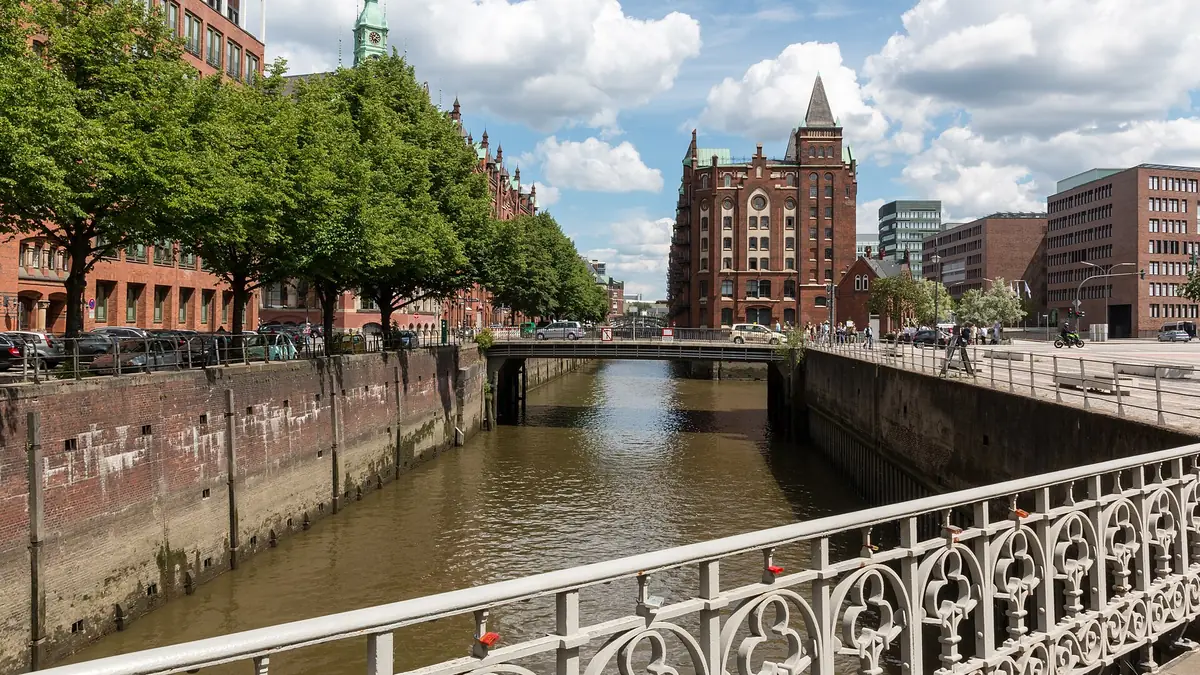
Header photo: Dietmar Rabich, CC BY-SA 4.0, via Wikimedia Commons. All credits: image credits.