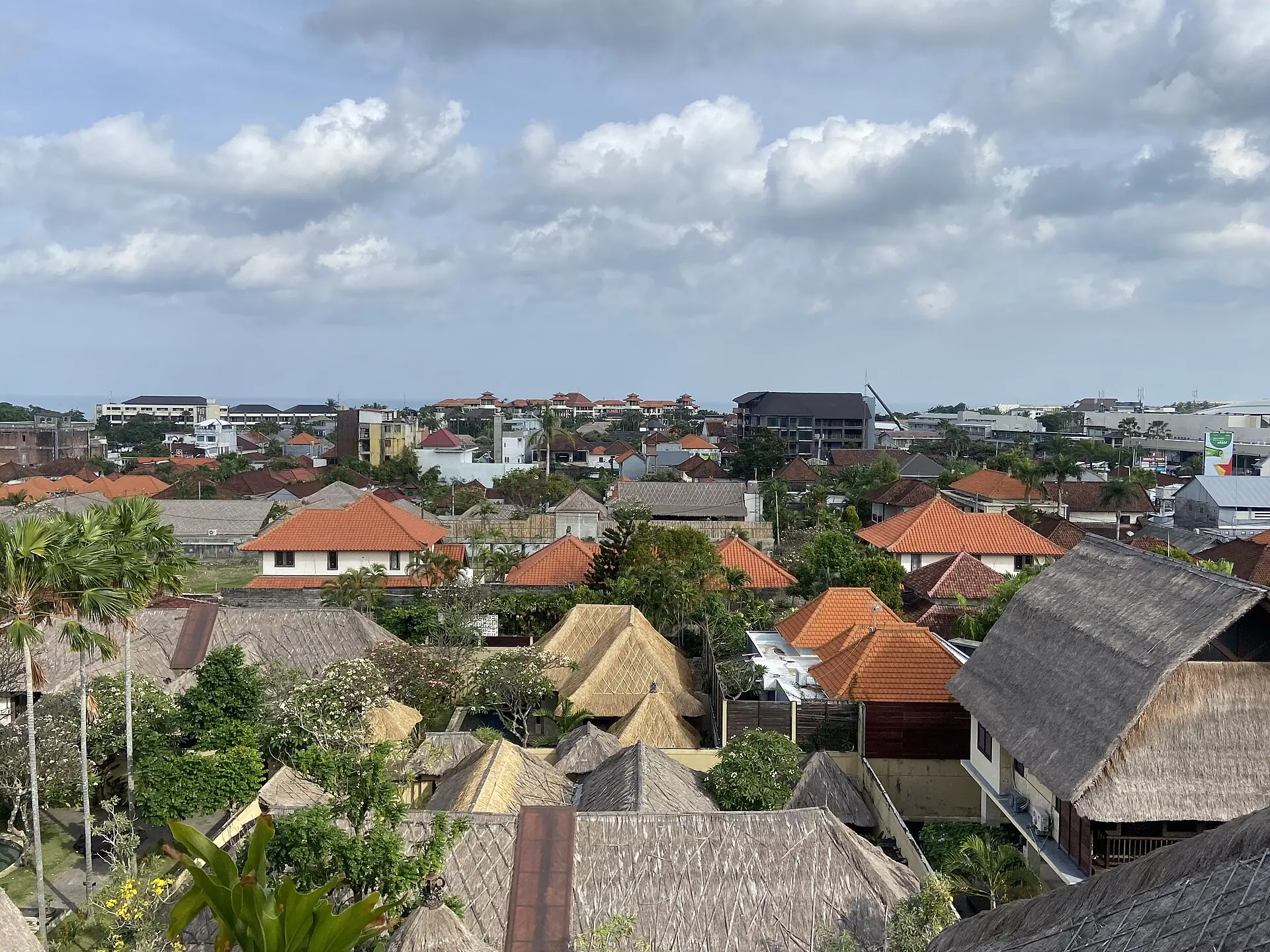
Can British Buy Property in Bali?
Yes. British buyers can buy property in Bali. Two facts shape the whole deal. First, the Indonesian one: you will not get freehold. Freehold land is reserved for Indonesian citizens, so a foreigner holds a leasehold, a Hak Pakai right of use, or a PT PMA company structure. The asset is a clock or a structure, not a title in your name. Second, the British one, and it’s the part most buyers skim past: the UK taxes you on where you live, not the passport you hold. If you are UK tax resident, your Bali rental income and your eventual gain are HMRC’s business, reported through Self Assessment, and a UK–Indonesia double-tax treaty decides how the two countries’ claims interact. This page is the mechanics, not personalized tax or legal advice.
The Ownership Rules, in Brief
Indonesia draws a hard line: no foreign individual takes freehold (Hak Milik) of anything. That title is for Indonesian citizens. As a British buyer you buy through one of four structures: a registered leasehold (commonly 25–30 years, sometimes with an extension right), a Hak Pakai right of use (if you hold an Indonesian residence permit), a PT PMA foreign-investment company (for income property run as a business), or the nominee structure you should walk away from. Putting land in an Indonesian’s name is void under the Basic Agrarian Law.
On a leasehold, the term is the asset: a 25-year lease at year three and the same lease at year twenty are different assets at different prices, because the buyer behind you pays for the years that remain. None of this changes because you hold a UK passport. Indonesian law treats every foreigner the same. The full mechanics are here: the four foreign-ownership pathways, the leasehold-clock math, and the cross-country comparison on how the same purchase looks for an Australian buyer.
The British Layer: Residence-Based Tax, HMRC and the CRS
This is where the British buyer’s position actually sits, and none of it is an Indonesian rule. The line that matters: the UK taxes by residence, not citizenship. That is the mirror image of the American problem. If you are UK tax resident, HMRC taxes your worldwide income, so the Bali villa’s rent and your eventual gain are on your return. If you are genuinely non-UK-resident under the Statutory Residence Test, a foreign property generally falls outside the UK net. An exit an American passport never gives you.
- Worldwide income if you’re UK resident. Rental income from your Bali villa is reportable to HMRC every year, normally through Self Assessment and its foreign-property pages (SA106). Your residence status is the switch that decides whether it is in scope at all.
- Capital Gains Tax on disposal. Depending on residence. Selling or assigning the lease can bring UK capital gains tax into play if you are UK resident; a non-resident is generally outside UK CGT on foreign land. The rate band and any allowance depend on your circumstances and the rules in force when you sell.
- The UK–Indonesia treaty does the relief. Unlike a US buyer stuck in a no-treaty country, you have a double-taxation agreement: Indonesian tax paid on the rent or gain can generally be set against your UK liability through foreign tax credit relief, but you must file to claim it.
- The account is visible under the CRS. The UK and Indonesia both exchange financial-account data under the Common Reporting Standard, so the Indonesian account you fund the purchase or collect rent through can be reported to HMRC. The declared version is the only version.
- Residence is the lever, and it moved recently. The UK’s old remittance basis for non-domiciled residents was withdrawn from April 2025 and replaced by a residence-based regime. If your status is mixed or in transition, that is exactly the question to put to a UK adviser before you transfer.
The takeaway isn’t fear. It’s that for a Brit the whole position turns on residence, and residence is plannable. Map the Self Assessment reporting, the CGT footing, and the treaty relief with a UK accountant before the money moves, not at tax time, because the right answer depends on your residence and how you hold the structure.
Moving GBP In, and Back Out
Indonesia does not run a Thai-style FET certificate, so there is no single document the registry demands. You build the paper trail yourself. You transfer GBP into an Indonesian account, convert to rupiah, and the transaction is executed before a notaris, the licensed official who registers the leasehold, Hak Pakai, or company holding. Keep every record (the inbound transfer, the conversion, the deed, the lease) because you will need them twice: for the eventual sale, and for your HMRC reporting. The full Bali fee stack is here.
THE ONE-LINE VERSION
The eight-section playbook I run before a single pound leaves the UK for a Bali villa. The four pathways, the leasehold-clock math, the fee stack, three deal walkouts, and the foreign-buyer overlay. PDF.
Get The Bali Villa Buyer’s Playbook — $49What This Means for the British Buyer
- Drop the word freehold. Decide which structure (leasehold, Hak Pakai, or PT PMA) matches your use and residency before you look at a villa.
- Price the clock, not the pool. On a leasehold, underwrite the remaining term and the extension right at your planned exit.
- Settle your UK residence footing first. Whether the rent and gain are taxable at all turns on your residence; the Self Assessment reporting, the CGT position, and UK–Indonesia treaty relief are questions for a UK accountant before the transfer, not at tax time.
- Never the nominee. A structure the Agrarian Law treats as void is not ownership, however it is dressed up.
None of this is a reason a Brit shouldn’t buy in Bali. It’s the reason the British buyer should buy the structure deliberately, with the clock priced and the home-country position mapped in advance. Easy entry isn’t the same as clean ownership, and for a UK buyer, clean ownership is a structure you choose on purpose and a residence position you settle before you wire the money.