Best Areas to Buy a Condo in Bangkok (2026): Ranked by the Data, Not the Brochure
The best area to buy a condo in Bangkok depends on which game you are playing: Thonglor–Ekkamai for the strongest defensible appreciation case, Ari–Saphan Khwai for supply-constrained Thai-demand growth, On Nut–Bang Chak for the BTS value corridor, Huai Khwang for the MRT catalyst tier, Asoke–Phrom Phong for prime-CBD resale liquidity, Silom–Sathorn for the mature office-anchored CBD, Ratchada–Rama 9 for tenant depth with the weakest resale trend, and Chatuchak–Lat Phrao for northern value with homework attached. Below is each catchment with the numbers from my 2026 Bangkok scan, who each one suits, and a verdict — counted down from #8 to the best condo catchment in the capital. No brochure adjectives. Numbers first.
What a condo is listed for in each of the five cities, by size: how much a condo in Thailand costs.
What a foreigner can own in Bangkok, what it costs and the steps, in one place: buying a condo in Bangkok as a foreigner.
Weighing a specific unit? The Custom Report checks it against its own building and area before you sign: see a real report, page by page.
Where These Numbers Come From
Every figure on this page comes from my June 2026 Bangkok pull: 12,097 sale listings collected from public portals and filtered to a ranked cut of 2,092 in the eligible 3–12 million THB band, each with a source URL retained, off-plan and nominee structures excluded. Two cuts feed this page. Median asking prices per area restate the eligible-band medians published in the Bangkok case study. Per-square-metre medians, rents and sample sizes come from the rent-validated cut of 1,072 listings inside the ranked 2,092. The medians are asking prices, not closed prices — treat every number as a ceiling, not a valuation. Three disclosures before the ranking. First, the sampled stock skews small: validated median unit sizes run 35–48 square metres per corridor — investor-grade studios and one-beds, not family stock. Second, the 12 million THB ceiling clips Thonglor's prime tier, so its corridor median understates the postcode. Third, Silom–Sathorn and Chatuchak–Lat Phrao are not broken out in my ranked cut, so those two publish case-study asking medians plus attributed benchmarks instead of a validated per-square-metre median of mine. Five-year appreciation figures are not mine either: they come from industry trackers and the REIC index (REIC, Knight Frank and published market research) and are attributed where used.
The Best Areas to Buy a Condo in Bangkok, Ranked — Counting Down to #1
8. Chatuchak / Lat Phrao — Northern Value, With Homework
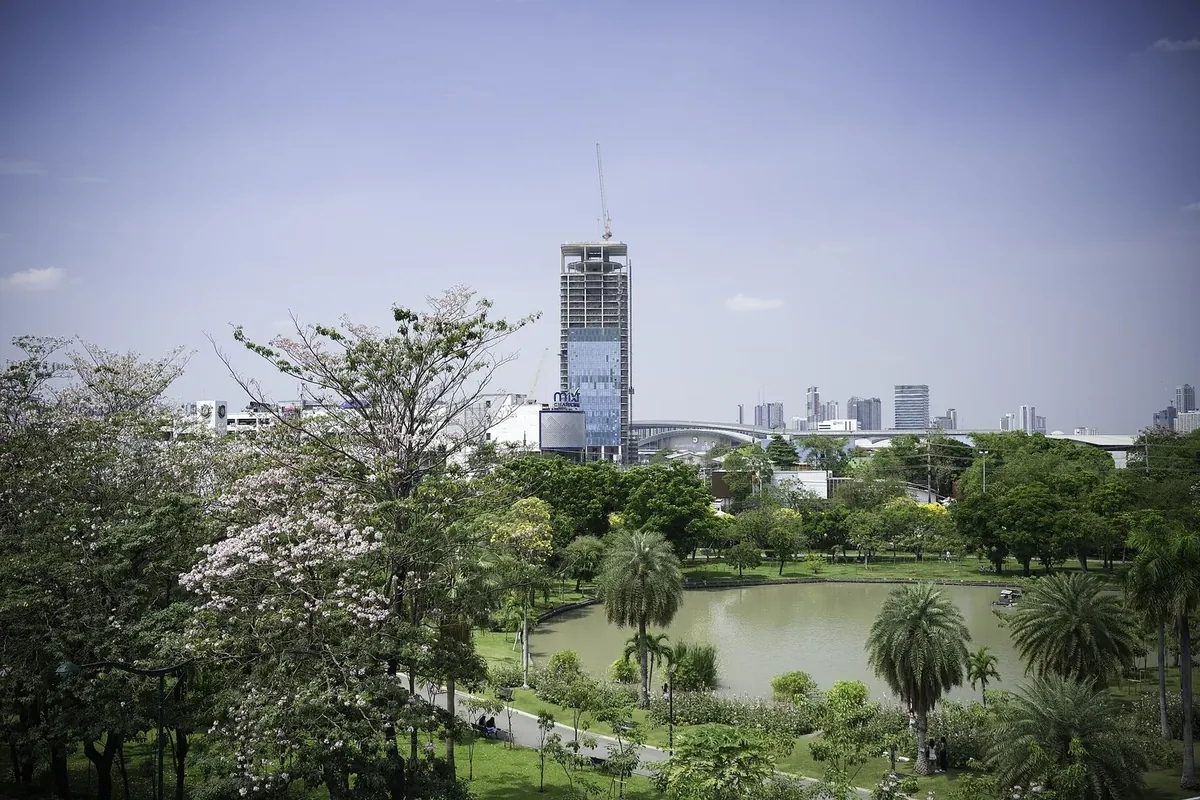
Chatuchak / Lat Phrao is the northern value tier of this ranking, with a median asking price of 4.79 million THB in the eligible band per the case study. It has real structural assets: the BTS–MRT interchange at Mo Chit, the park, the weekend-market economy, and a position one interchange from the northern office clusters. My rent-validated cut does not break this corridor out as its own bucket, so I publish no per-square-metre median of my own here.
The tracker picture cuts both ways. The REIC index grouped the Huai Khwang–Chatuchak–Din Daeng band among the fastest-appreciating Greater Bangkok submarkets in the 3.01–5 million THB segment — but that is a new-launch index, not a resale print, and the north's resale queue is long where launch supply landed hardest. The buyer assumption this catchment punishes is the simplest one there is: cheap, near a park, on two rail lines, therefore it must grow. Supply decides that, building by building.
Verdict: value with homework attached. The entry price is honest and the transit is real. Verify the specific building's resale record before you trust the corridor's story.
7. Ratchada / Rama 9 — The Tenant Engine With the Weakest Trend
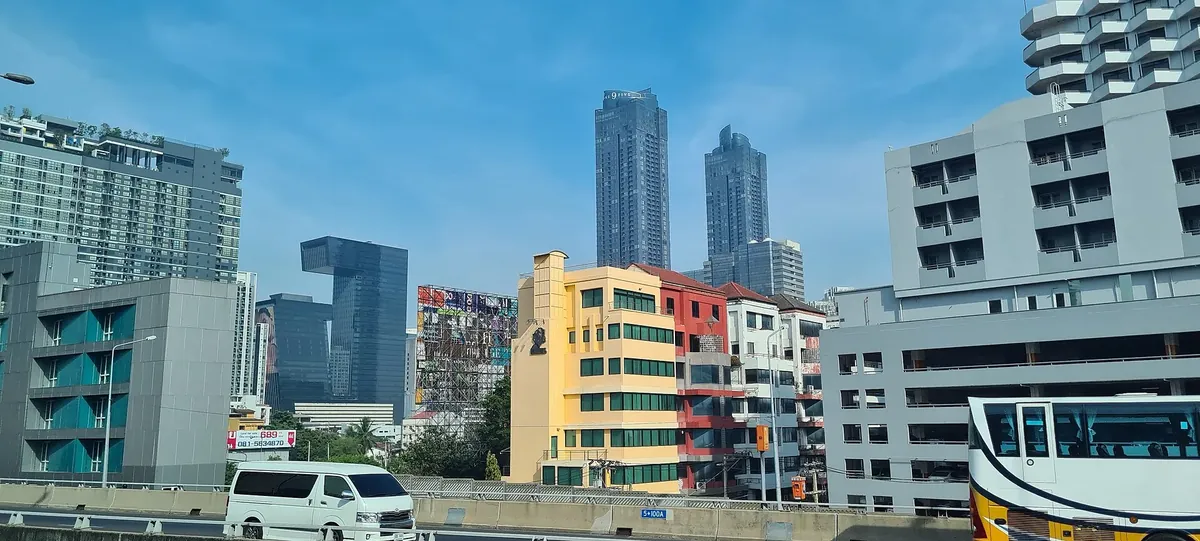
Ratchada / Rama 9 is the honesty section of this page. The rental case is real: the office cluster around the Rama 9 interchange feeds a deep long-stay tenant pool, my validated cut posts roughly 145,300 THB per square metre across 146 listings, sampled asking rents run a median near 22,000 THB per month (middle half roughly 17,300–26,000), and the eligible-band median asking price is 4.75 million THB. The units are among the smallest in my pull at a 35.5 square metre median — pure investor stock.
Now the trend. Of the six corridors I track with validated data, industry trackers place this zone's five-year resale trend at the bottom of the set — a synthesis midpoint around 1.5% a year over 2020–2025, resale-side — because new-launch headline pricing and secondary-market reality have diverged here more than anywhere else in this ranking. The buyer assumption that divergence punishes: a new tower beside an MRT interchange must appreciate. It must not. Supply keeps landing on this corridor, and the resale queue absorbs it slowly.
Verdict: rent it, do not bet the exit on it. Buy the tenant depth at honest entry pricing, and underwrite the exit at the bottom of the range, not the brochure's.
Full Ratchada / Rama 9 breakdown →
6. Silom / Sathorn — The Mature CBD
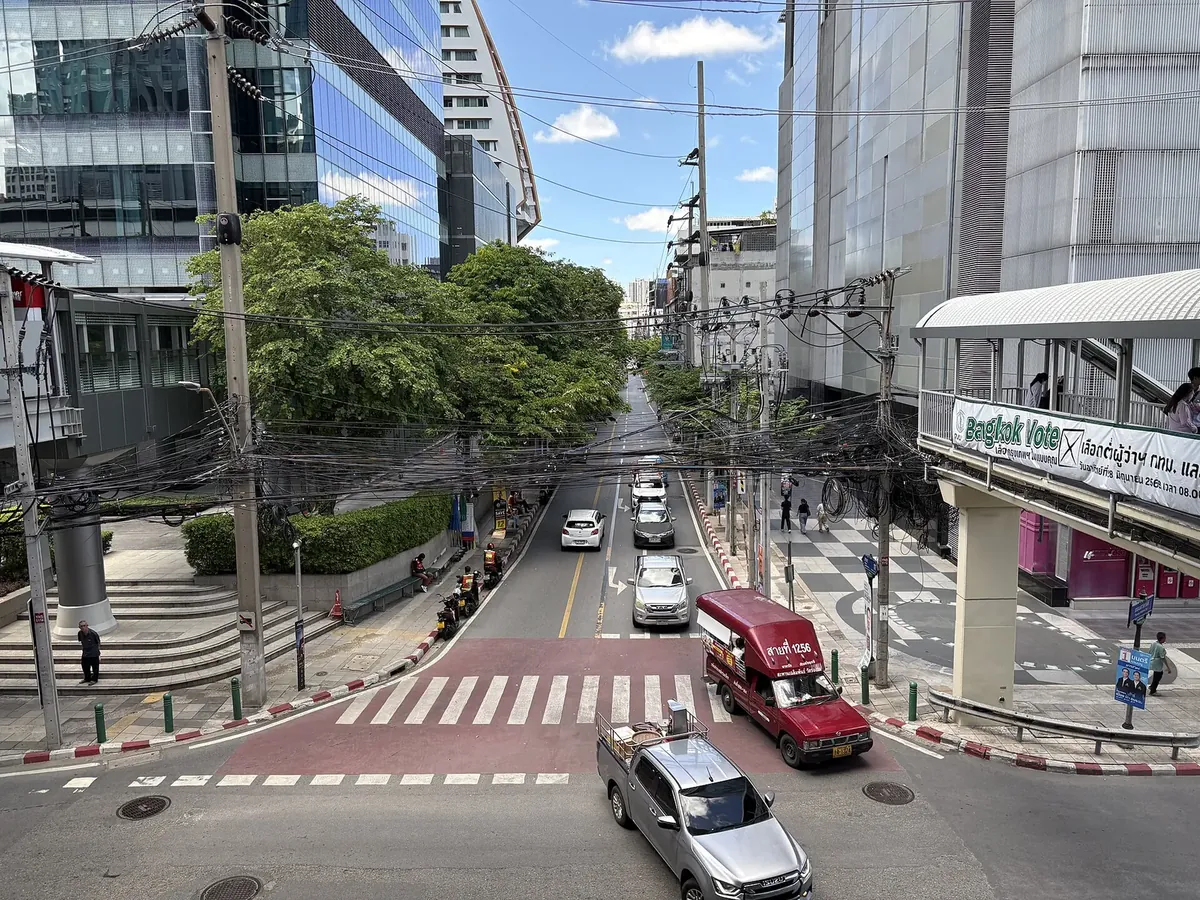
Silom / Sathorn is the mature, office-anchored CBD, and it tops this ranking's asking medians at 7.00 million THB in the eligible band. My ranked cut does not carry a Silom–Sathorn bucket — most of the corridor trades above the 12 million THB eligible ceiling — so no validated per-square-metre median of mine is published here. The attributed benchmark: Knight Frank puts prime-CBD asking around 239,475 THB per square metre, essentially flat quarter on quarter.
What you are buying here is the floor, not the ceiling: the deepest office-tenant base in the country, decades of expat rental history, and walk-to-work demand that survives every tourism cycle. What you are not buying is growth — the same trackers that price the corridor describe prime-CBD resale asking as flat-to-soft since 2022. Older stock with large floor plans can be honest value; new prime launches price a decade of appreciation into day one.
Verdict: the tenant floor, priced as one. Buy Silom–Sathorn for durable occupancy and a conservative exit story. Do not buy it expecting the index to move.
Full Silom / Sathorn breakdown →
5. Asoke / Phrom Phong — Prime Liquidity, Not Prime Growth
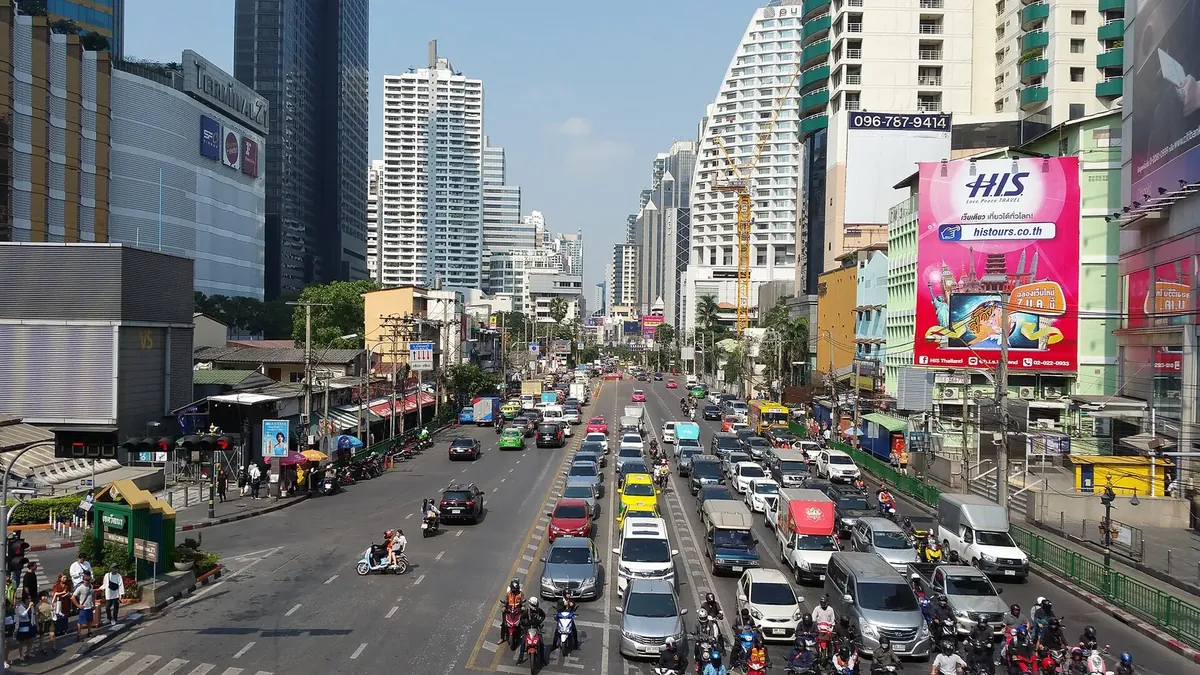
Asoke / Phrom Phong is prime Sukhumvit, and my validated cut prices it accordingly: roughly 158,100 THB per square metre across 165 listings — the highest corridor median in the scan — with sampled asking rents at a 27,100 THB monthly median (middle half roughly 23,600–33,500) and an eligible-band median asking price of 6.80 million THB. The tenant pool is the deepest expat base on the BTS, anchored by the EM District retail cluster and the office towers around the interchange.
The case for this catchment is liquidity, and it is honest to say that is the whole case. Per industry trackers, prime Sukhumvit's cumulative price growth over 2020–2025 ran roughly 12–15% — real, but behind the corridors above it in this ranking — and prime resale asking was visibly soft through 2024. The decade when this postcode compounded fastest is already priced in. What remains is brand-prestige scarcity and the fastest exit in the city.
Verdict: buy the exit, not the growth story. If resale speed is your priority, this is the anchor. If appreciation is, look two ranks up.
Full Asoke / Phrom Phong breakdown →
4. Huai Khwang / Cultural Centre — The MRT Catalyst Tier
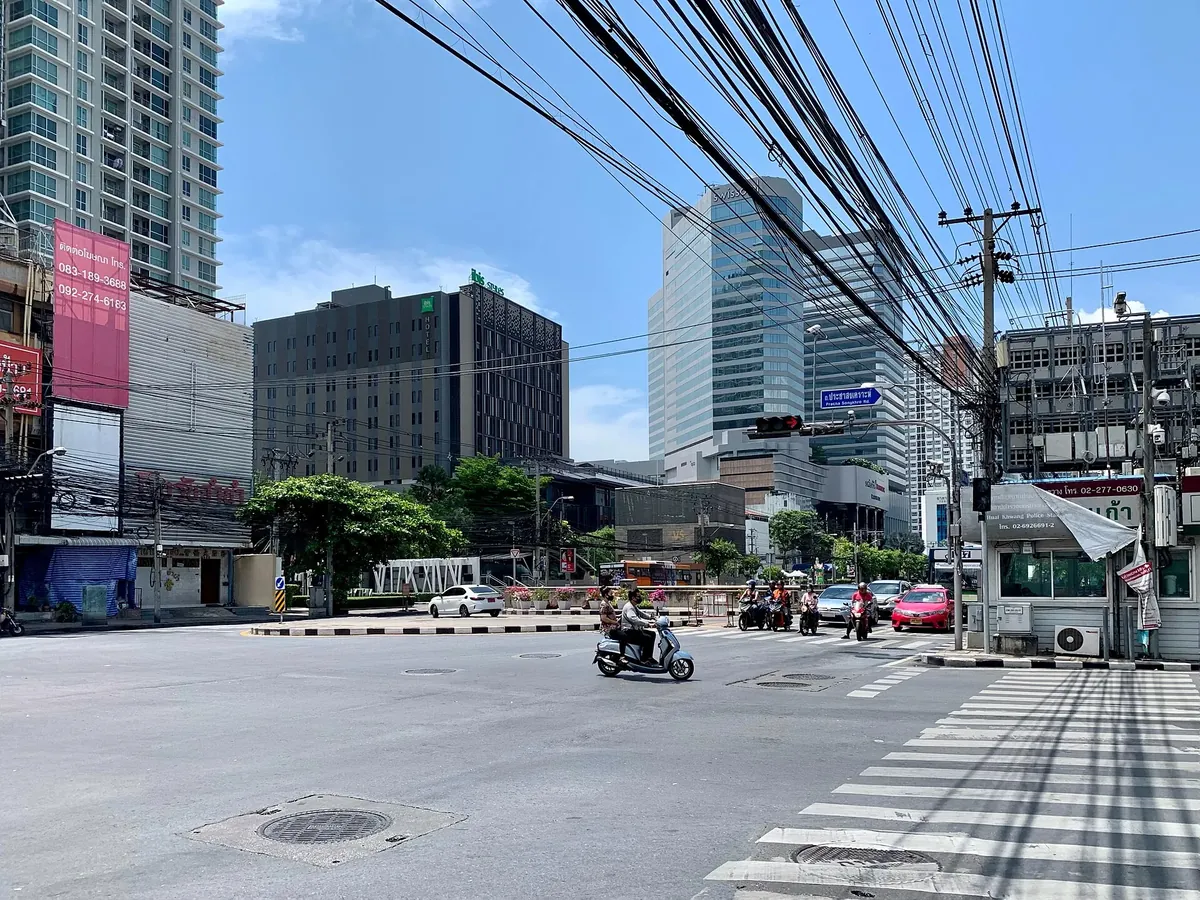
Huai Khwang / Cultural Centre is the cheapest entry in this ranking — a 4.60 million THB median asking price in the eligible band — and my validated cut posts roughly 128,800 THB per square metre across 170 listings. Sampled asking rents run a median near 18,600 THB per month, the lowest of the eight, with a wide middle half of roughly 12,800–25,400: this corridor mixes older Thai-market stock with newer investor builds, and the spread shows it.
The thesis is the catalyst. The REIC index named this band the fastest-appreciating Greater Bangkok submarket in the 3.01–5 million THB segment, the MRT Blue Line interchange already connects it to both Sukhumvit and Silom, and the Orange Line's opening is pulling land repricing forward. Two verifications before you underwrite any of that: the REIC print is a new-launch index, not a resale record, and part of this corridor's demand base — the “New Chinatown” buyer cluster — softened materially in 2023–2024. A catalyst you have not verified at the building level is a story, not a thesis.
Verdict: catalyst pricing at a value entry. The cheapest ticket in the ranking, with upside that depends on a demand base you must verify, not assume.
3. On Nut / Bang Chak — The BTS Value Corridor
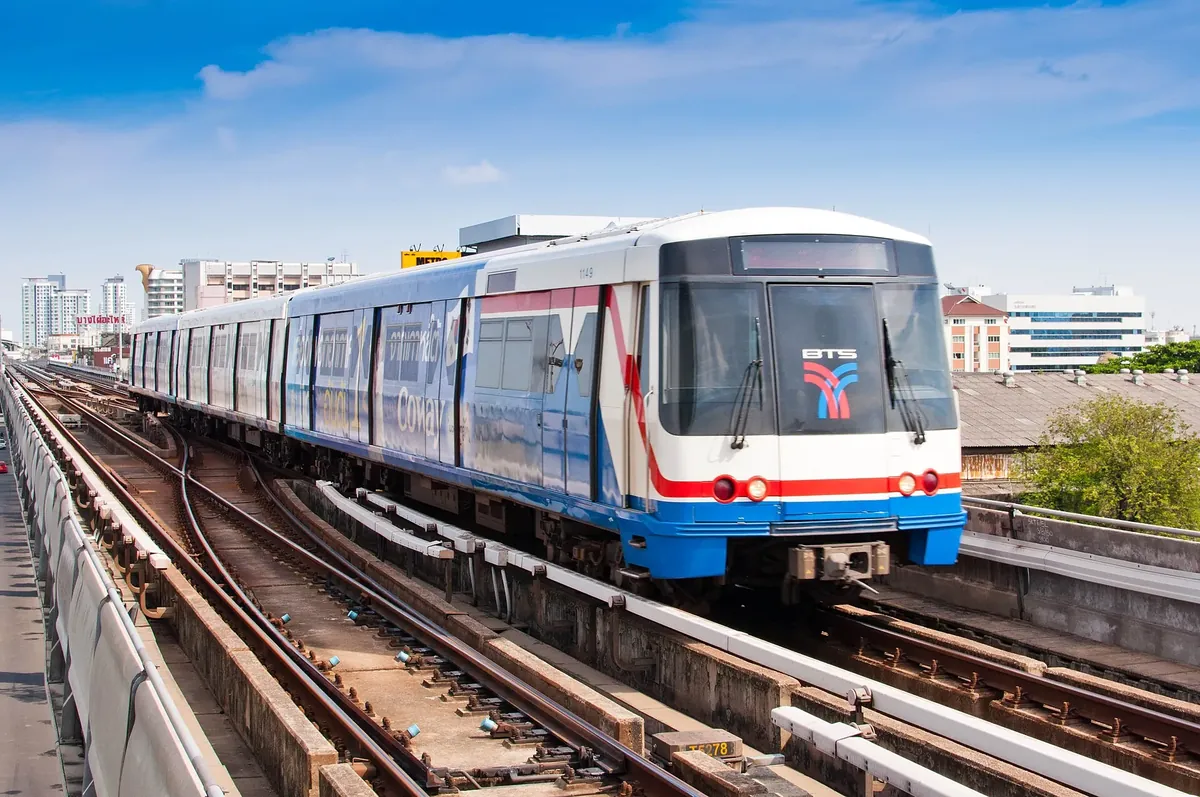
On Nut / Bang Chak is the deepest sample in my scan — 584 ranked listings, 391 of them rent-validated — and the numbers describe a working value corridor: roughly 125,000 THB per square metre at the median, a 4.95 million THB eligible-band median asking price, and sampled asking rents at a 20,700 THB monthly median (middle half roughly 17,200–28,200). The pitch is arithmetic: a 25–40% discount to Asoke pricing, fifteen BTS minutes away, with persistent expat and young-professional absorption.
The homework is the stock split. Industry trackers flagged the lower-Sukhumvit corridor among the city's faster-appreciating submarkets, but the growth concentrates in new-launch repricing while the 2018–2022 supply wave is still clearing — and older Bang Chak stock has run flat-to-negative on resale. Same corridor, two different investments. The n=391 validated sample is deep enough to price a specific building against; use it.
Verdict: the operator's volume corridor. Honest pricing, real tenant base, deep data — and a new-build-versus-old-stock divergence you must underwrite building by building.
Full On Nut / Bang Chak breakdown →
2. Ari / Saphan Khwai — The Supply-Constrained Diversifier
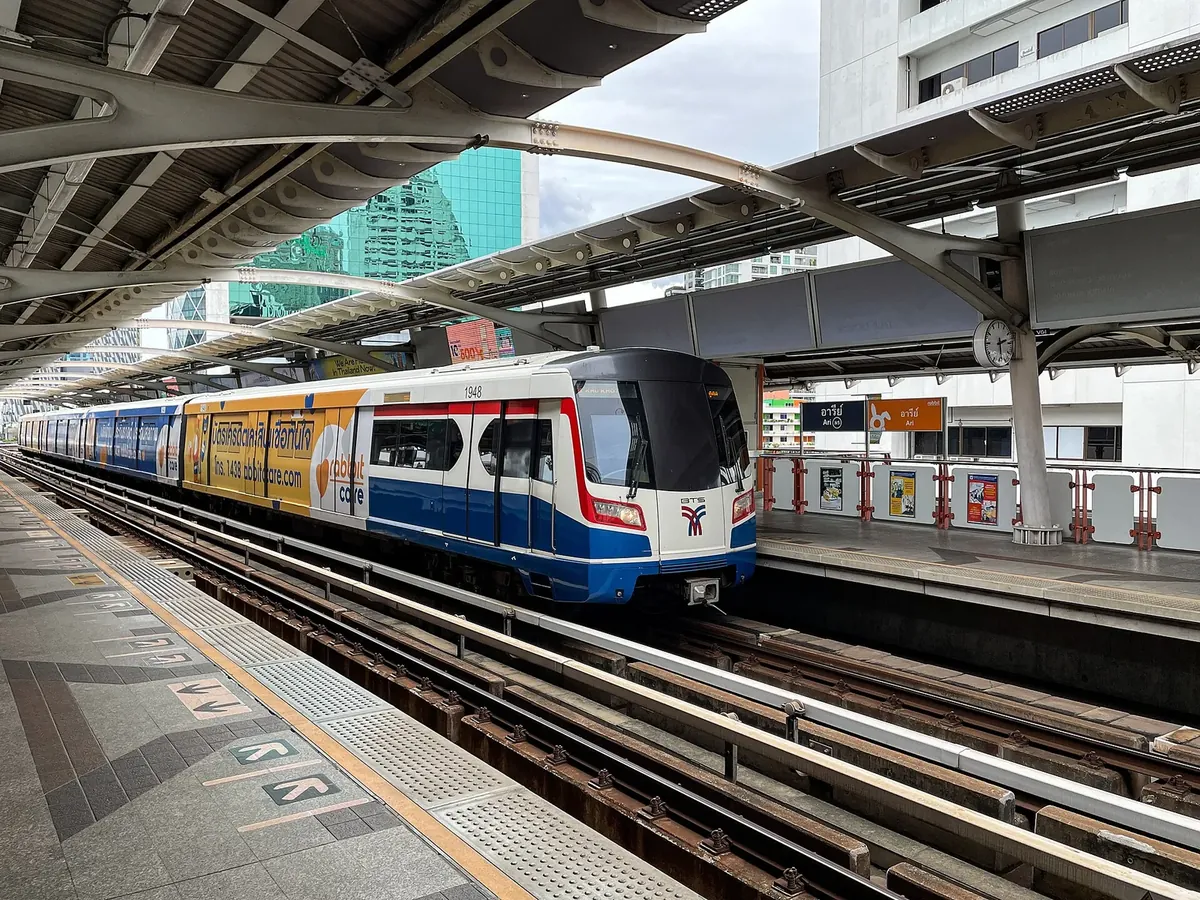
Ari / Saphan Khwai posts the second-highest validated corridor median in my scan at roughly 152,800 THB per square metre across 147 listings, with a 5.39 million THB eligible-band median asking price and sampled asking rents at a 21,100 THB monthly median (middle half roughly 18,600–28,000). The structural case is the strongest supply constraint of the eight: Ari sits on a low-rise zoning footprint with almost no new-launch land, so the stock that exists is most of the stock there will be.
The demand base is the differentiator. This is Thai professional and creative owner-occupier demand — the least tourism-correlated catchment in the ranking — layered over a boutique café economy and a twelve-minute BTS run to Siam. Industry trackers imply five-year price growth around 3.5–5% a year off the 2020 base, among the strongest in the set — with the honest caveat that transaction volume here is thin, so the implied trend is harder to verify than a CBD print. Saphan Khwai is the cheaper, older-stock leg that catches the spillover.
Verdict: the diversifier. Buy the zoning cap and the domestic demand base; accept thinner liquidity as the price of scarcity.
Full Ari / Saphan Khwai breakdown →
1. Thonglor / Ekkamai — The Strongest Defensible Case
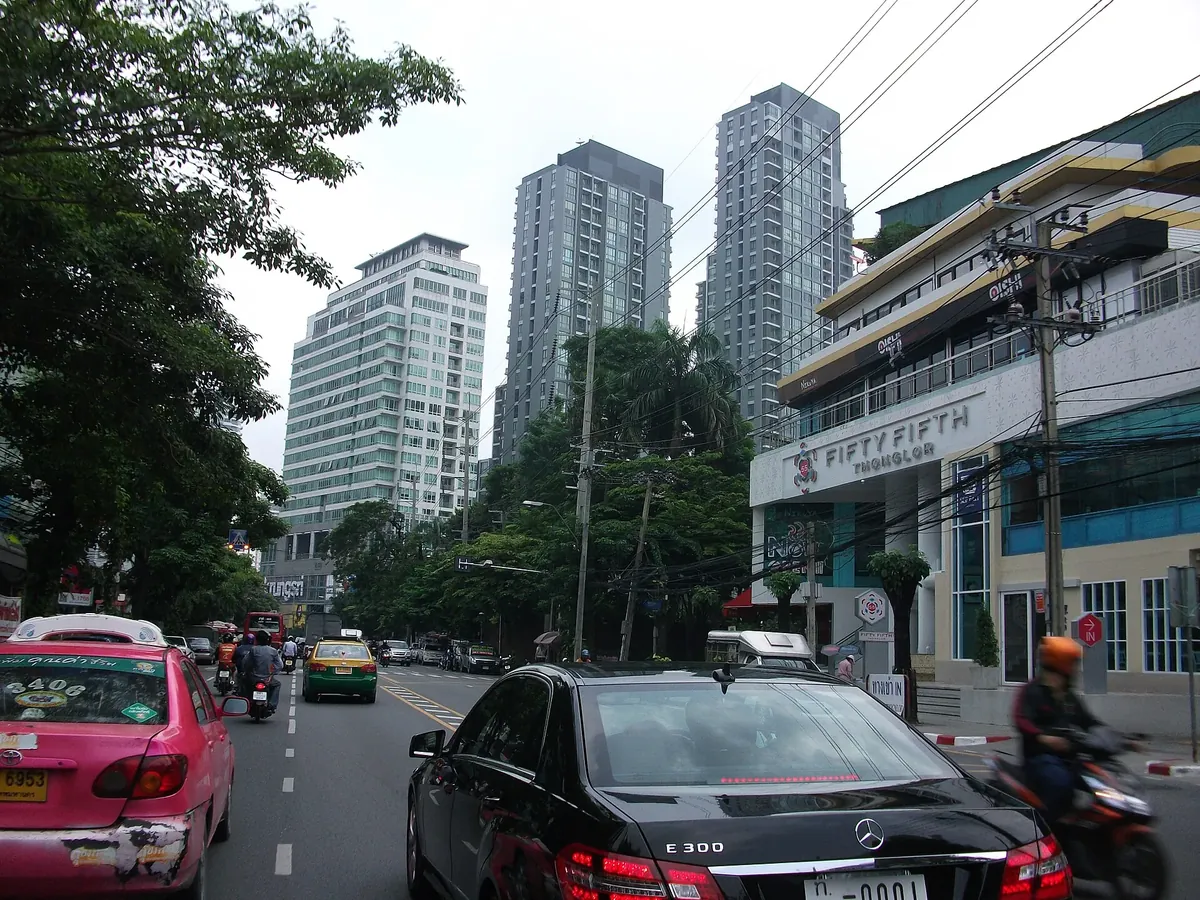
Thonglor / Ekkamai is the best area to buy a condo in Bangkok on the appreciation case, and it is the one catchment where my own numbers need their disclosure up front: the scan's 12 million THB eligible ceiling clips Thonglor's prime tier, so my validated corridor median of roughly 136,800 THB per square metre (n=53) describes the Ekkamai-weighted eligible band, not the postcode — industry trackers place Thonglor proper around 246,000 THB per square metre against Ekkamai's roughly 177,000. The eligible-band median asking price is 6.00 million THB, the validated units are the largest in my pull at a 48 square metre median, and sampled asking rents top the ranking at a 29,300 THB monthly median (middle half roughly 21,900–35,900).
The thesis is scarcity you can verify on a zoning map: developers cannot assemble sites here, so supply is overwhelmingly resale, the lifestyle and F&B economy keeps deepening, and trackers report prime vacancy in this corridor at a fraction of the city-wide figure. The same trackers put its five-year price trend around 3.5–4.5% a year — the strongest defensible case of the six corridors I track. Ignore the 36% year-on-year headline that circulated in 2025; it reflects launch-mix skew on a tiny new-launch sample, not the resale stock you would actually buy. And quota discipline applies at the top of the market most of all: confirm the building's remaining foreign quota in writing, and read how Thai foreign freehold actually works before anyone explains a “workaround.”
Verdict: the capital anchor. Pay for scarcity that a zoning map can prove, in the corridor with the ranking's strongest rents — and underwrite at 3.5%, not at the headline.
Full Thonglor / Ekkamai breakdown →
Bangkok Area Comparison: Asking Price, Sample, Verdict
| Area | Median asking (3-12M band) | Median THB/m² (validated cut) | n | Verdict |
|---|---|---|---|---|
| Thonglor / Ekkamai | ฿6.00M | ~136,800† | 53† | Scarcity anchor, band-clipped |
| Ari / Saphan Khwai | ฿5.39M | ~152,800 | 147 | Supply-constrained diversifier |
| On Nut / Bang Chak | ฿4.95M | ~125,000 | 391 | BTS value corridor, stock split |
| Huai Khwang / Cultural Centre | ฿4.60M | ~128,800 | 170 | MRT catalyst, cheapest entry |
| Asoke / Phrom Phong | ฿6.80M | ~158,100 | 165 | Prime liquidity, not prime growth |
| Silom / Sathorn | ฿7.00M | —‡ | —‡ | Mature CBD, tenant floor |
| Ratchada / Rama 9 | ฿4.75M | ~145,300 | 146 | Tenant engine, weakest trend |
| Chatuchak / Lat Phrao | ฿4.79M | —‡ | —‡ | Northern value, homework |
Rows in rank order. Median asking prices from the 2026 Bangkok scan's eligible 3–12 million THB band, as published in the Bangkok case study. Per-square-metre medians and sample sizes from the rent-validated cut (1,072 of 2,092 ranked listings). Asking, not closed, and the sampled stock skews small (35–48 m² median unit sizes). † The 12M eligible ceiling clips Thonglor's prime tier — the corridor median understates the postcode. ‡ Silom / Sathorn and Chatuchak / Lat Phrao are not broken out as buckets in my ranked cut; their rows restate the case-study asking median only, with benchmarks attributed in the text.
Cite this data
Across a June 2026 Bangkok pull of 12,097 sale listings, of which 2,092 fell in the eligible 3–12 million THB band, area median asking prices ranged from 4.60 million THB in Huai Khwang / Cultural Centre to 7.00 million THB in Silom / Sathorn. In the rent-validated cut of 1,072 listings, corridor medians ran from roughly 125,000 THB per square metre in On Nut / Bang Chak (n=391) to roughly 158,100 THB in Asoke / Phrom Phong (n=165).
Source: Brinkman Data, Best Areas to Buy a Condo in Bangkok (2026).
Free, before you sign
The Thailand condo breakdown
The 49% foreign-quota check, the full cost stack, and a worked case study of a unit I own in Chiang Mai. One email, instant download.
How to Choose Between These Areas
Start from the job, not the postcode. If the condo's job is appreciation, the ranking is short: Thonglor–Ekkamai and Ari–Saphan Khwai are the two catchments where supply is structurally capped and the tracker trend defends itself; everything else is a rent story wearing a growth brochure. If the job is rental operation, the value corridors — On Nut–Bang Chak, Huai Khwang, Ratchada–Rama 9 — carry the honest entry prices and the deep tenant pools, with the exit as the number you underwrite hardest. If the job is a fast, clean exit, Asoke–Phrom Phong and Silom–Sathorn are the liquidity anchors, and you accept flat trend as the fee for it. One structural note that applies to all eight: this page ranks condo catchments because a condominium unit inside the building's 49 percent foreign quota is the clean, direct freehold path for a foreigner in Thailand — read the freehold explainer before anyone sells you a “structure” for anything else.
Whatever the catchment, run the full cost stack before you trust any rent number: common-area fee, sinking fund, vacancy, management. Across my three-city Thai dataset, the distance between the brochure's gross number and the net that survives the fee stack is roughly a third — the net yield gap study documents it on 3,353 listings, 2,092 of them in Bangkok with full fee coverage. Run your own numbers in the Thailand rental yield calculator; the deduction stack is built in.
THE CATCHMENT DECIDES BEFORE THE UNIT DOES
Pick the Catchment With a Protocol, Not a Vibe.
Every catchment above was mapped with the same 5-step underwriting sequence I run on every Thai market: catchment, building, unit math, legal stack, exit. It is the sequence behind the commissioned Bangkok report and the 2,092-listing ranked cut on this page. It costs less than one cocktail hour in Thonglor.