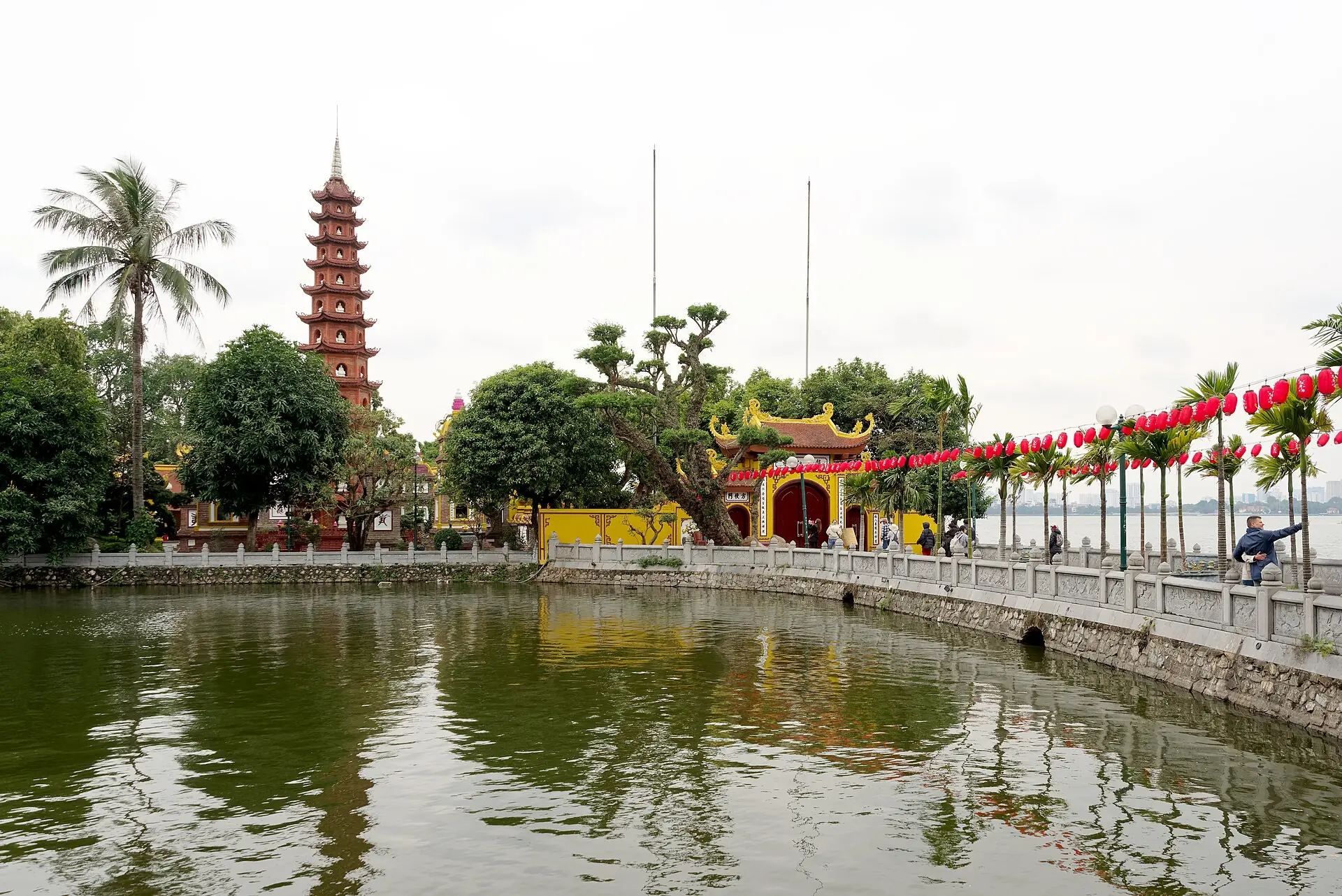
Hanoi's old quarter — the pink book is the certificate that makes ownership real
Vietnam Legal · The Pink Book

The Vietnam pink book: the certificate, not the contract.
Vietnam Pink Book — the certificate, not the contract. Brinkman Data SEO brand card.

The “pink book” is the certificate that puts your name on the dwelling. Until it issues, you do not have registered ownership — you have a contract, a claim against the developer. On completed stock that gap is a documentary process. On off-plan stock it can run from months into years, while you occupy a unit you cannot yet registrably own. This page is what the certificate grants, what it does not, and why the contract-versus-certificate distance is the whole off-plan game. The full frame sits at the Vietnam foreign-buyer reality check.

15–30
working days, complete dossier only
30%
quota checked at registration
50 yr
term starts at issuance

What It Is

The certificate that records your name.

The “pink book” is the Certificate of Land Use Rights and Ownership of Assets Attached to Land — the document that puts your name on the dwelling. People also call it the LURC. Buyers sometimes ask about a “red book” or “yellow book” from older usage; what matters for a foreign apartment buyer is the current certificate that records ownership of the structure in your name for the term.

What the pink book grants: registered ownership of the dwelling, in your name, for the 50-year term — the right to occupy, to lease it out, to sell or transfer it to another qualifying buyer, and to pass it on by inheritance under the law’s conditions. Inside the fence, the certificate is real, in-your-name ownership of the structure. This is the thing you are actually buying.

What it does not grant: ownership of the land (the land-use right stays administered by the State); a term beyond the clock (the one-time extension is an application you file before expiry); or a position above the quota. If the building was already at 30% foreign ownership when your dossier reached the registry, the certificate cannot issue in your name — the quota is checked at registration, not at deposit. The foreign-ownership cap page covers that gate.

Contract vs Certificate

A contract is a promise. The certificate is the asset.

This is the distinction that decides the whole game on off-plan. Before the certificate, you hold contractual rights under your sale-and-purchase agreement — not registered ownership. A contractual right is a claim against the developer. A registered pink book is ownership recognised against the world. The first depends on a counterparty performing. The second does not.

Underwrite on the certificate, not the contract. A signed sale agreement with a 50-year promise is a claim. The pink book in your name is the asset. The distance between them is measured in the developer’s competence and the registry’s queue — and on off-plan, that distance is the risk you are actually pricing.

Why it matters in cash terms: without a certificate you cannot mortgage what you cannot register, and you cannot cleanly sell what you cannot register. Your 50-year clock and your eventual exit both depend on a certificate sitting behind the developer’s paperwork. The buyer who loses here paid in full against “the pink book comes later” and never asked what “later” was waiting on. The 5-step framework stages payments against that answer.

The Timing Gap

15 to 30 working days — on a complete dossier.

Statute says the pink book should issue roughly 15–30 working days after a complete dossier reaches the registry. The operative word is complete. The certificate issues only after the developer has discharged its own land-use and financial obligations for the project — project completion sign-off, infrastructure acceptance, the developer’s land-financial duties to the State.

On completed stock from a developer who has cleared those obligations, issuance is a documentary process. On off-plan stock where the obligations are unresolved, issuance runs months, sometimes years — not because the law is unclear, but because the law tells you exactly what must clear first, and the developer has not cleared it. Until the developer clears those duties, no buyer’s dossier in the building is “complete,” and no pink books issue.

The single largest gap between what a foreign buyer thinks they bought and what they hold is this off-plan delay. You pay across construction, take handover, move in, furnish it, list it — and still have no certificate. This is a developer-performance risk, generic to off-plan everywhere on earth. The protection: before paying past a refundable reservation, require the developer to document in writing the status of its land-use and financial obligations and the issuance timeline that follows. Confirm the quota gate in the same conversation.

78-page PDF · Instant download

Every number on this page, worked end-to-end.

The Vietnam Property Buyer’s Playbook walks the 30% quota, the 50-year clock, the pink book, the fee stack, and the exit math — the full framework this research page is built on.

Get The Vietnam Playbook — $39

The Operator Checklist

Four pink-book questions before completion money moves.

  1. Is the project eligible and under quota? Confirm the project appears on the current provincial eligible-project list and the building sits below the 30% foreign cap, in writing, dated. No gate clearance, no certificate.
  2. What stands between you and issuance? Require the developer to document the status of its land-use and financial obligations — the duties that must clear before any pink book can issue in the building.
  3. Completed or off-plan? On completed, certificated stock, issuance is documentary. On off-plan, get the issuance timeline that follows from the obligation status and stage your payments against it — do not pay completion money against an undated promise.
  4. What is the developer’s certificate track record? Has the developer actually delivered pink books to buyers on prior completed projects? A developer who has issued certificates before has demonstrated capacity; renders demonstrate nothing.

Underwrite on the certificate, not the contract. The certificate in your name is the asset; everything before it is a claim against a counterparty who still has to perform. Read the deal for the pink book, not the lobby render. The 5-step due diligence framework covers the documentation layer in full.

// FAQ

What is the pink book in Vietnam?
The pink book is the Certificate of Land Use Rights and Ownership of Assets Attached to Land — the document that records your name on the dwelling, also called the LURC. For a foreign buyer it grants registered ownership of the structure for the 50-year term: the right to occupy, lease, sell to a qualifying buyer, and pass on by inheritance under the law's conditions. It does not grant ownership of the land.
How long does the Vietnam pink book take to issue?
Statute says roughly 15 to 30 working days after a complete dossier reaches the registry. The word that matters is complete — the certificate issues only after the developer has discharged its land-use and financial obligations for the project. On completed stock that is a documentary process; on off-plan stock where those obligations are unresolved, issuance can run from months into years.
What is the difference between a contract and a pink book in Vietnam?
A sale-and-purchase contract is a claim against the developer — a promise of the asset. The pink book is the asset: registered ownership recognised against the world. The first depends on a counterparty performing; the second does not. Until the certificate issues you cannot mortgage or cleanly resell the unit. Underwrite on the certificate, not the contract — that distinction is the whole off-plan game.
Can I get a mortgage or resell without a Vietnam pink book?
No. You cannot mortgage what you cannot register, and you cannot cleanly sell what you cannot register. Your 50-year clock and your eventual exit both depend on a certificate that may be sitting behind the developer's unfinished obligations. The buyer who loses here paid in full against the promise that the pink book comes later, without asking what later was waiting on.
Why does the off-plan pink book sometimes never come?
The certificate issues only after the developer discharges its land-use and financial obligations — completion sign-off, infrastructure acceptance, and its land-financial duties to the State. Until those clear, no buyer's dossier in the building is complete and no certificates issue. This is a developer-performance risk generic to off-plan everywhere, not a defect in the law. Document the obligation status and stage payments against the issuance timeline.

Related research

// Same math, other markets

THE CERTIFICATE IS THE ASSET

A signed contract is a claim against the developer. The pink book is ownership recognised against the world. On off-plan, require the developer’s obligation status in writing and stage payments against the issuance timeline — the 5-step framework stages it for you.

Underwrite The Certificate, Not The Render

The pink book, with the contract-versus-certificate playbook attached.

The issuance timeline questions. The off-plan delay diagnosis. The payment-staging script. The full operator-not-tourist frame in one PDF.

Get The Vietnam Playbook $39

Or start free with the SE Asia Ownership Map — who can own what across six countries.

Instant PDF · 7-Day Guarantee · Secure Checkout

⚠ Disclaimer

Brinkman Data Analytics is an independent research service. Not financial, investment, tax, or legal advice. Vietnamese property law is jurisdiction-specific and governed by the Housing Law 2023 and Land Law 2024. Engage a licensed Vietnamese lawyer and a qualified tax adviser before acting. International real estate carries risk of partial or total loss of capital.

Get The Vietnam Playbook $39